Business 4 min read By Bethany Hadley
Amazon’s Ad Push Brings Market Clarity Rather Than Price Inflation
Amazon’s expansion into advertising has created a more transparent and efficient marketplace for serious buyers, countering claims that its growth inflates prices across the digital ad sector.
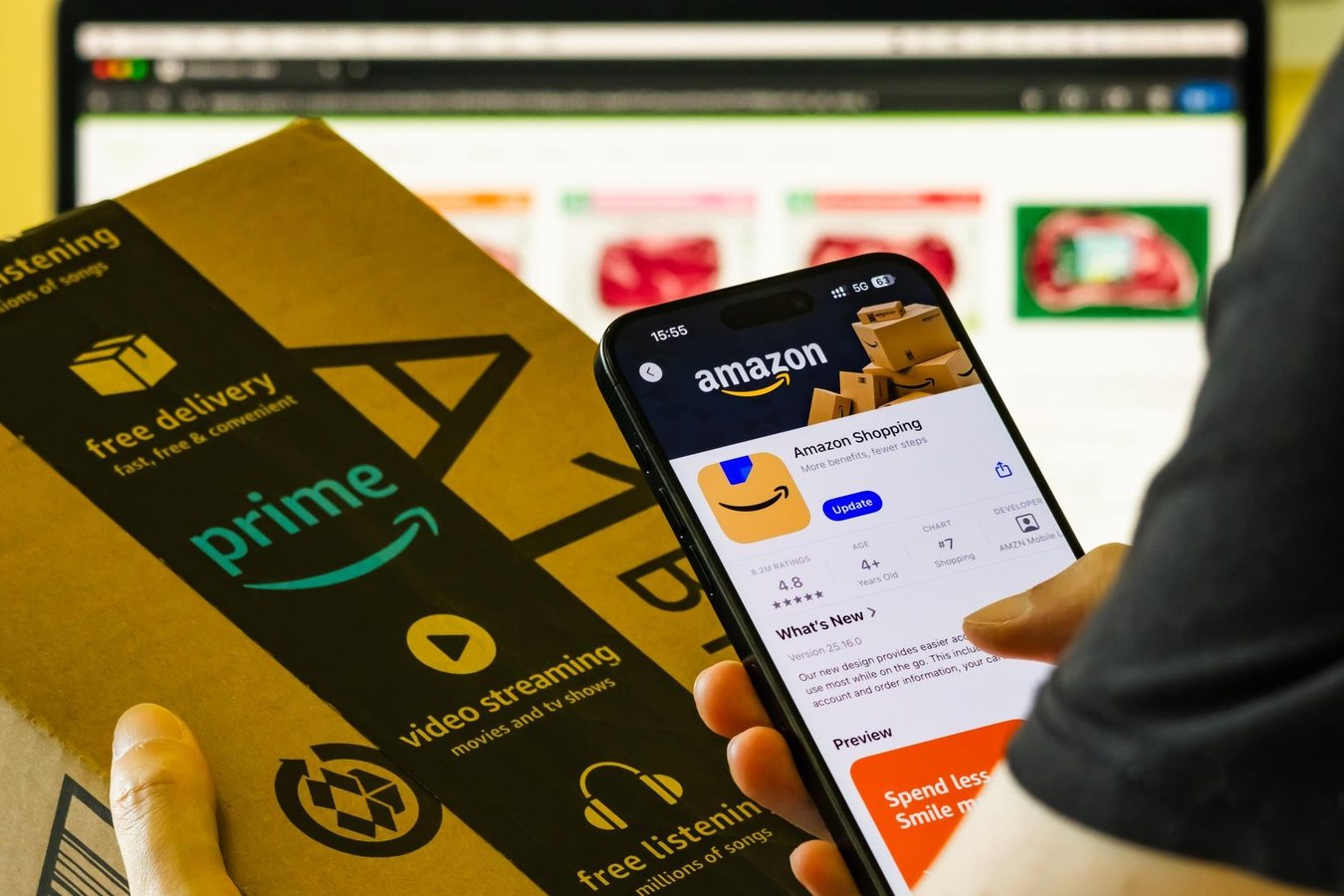
Amazon has chosen to build a serious marketplace for serious advertising buyers rather than contribute to chaos in the digital ad sector. The company’s move into advertising has provided crucial clarity to a market often criticised for opacity, according to analysis of its strategy. Far from inflating prices, Amazon’s approach is giving advertisers a clearer picture of where their money goes and what it delivers in return.
The e-commerce giant has steadily expanded its advertising business, leveraging its vast trove of shopping data to offer targeted placements that rival traditional search and social media platforms. This expansion has been watched closely by competitors and marketers alike, with some fearing that a new entrant of Amazon’s scale would drive up costs across the industry. Instead, the company has introduced a level of transparency that benefits buyers who understand the value of precise, purchase-intent-driven inventory.
Advertising has become a significant profit centre for Amazon, complementing its core retail and cloud computing operations. The company’s ad business has grown rapidly, attracting brands that want to reach consumers at the moment they are deciding what to buy. This contrasts with more generalised digital advertising, where the link between an ad impression and a sale is often indirect and difficult to measure.
The clarity Amazon provides stems from its unique position in the purchase funnel. When a user searches for a product on Amazon, the intent is already clear, and advertisers can bid accordingly. This direct connection between ad spend and transaction data allows for more accurate measurement of return on investment. For advertisers, this reduces waste and makes budgeting more predictable, a stark contrast to the often murky world of programmatic display advertising.
Industry observers note that Amazon’s entry has effectively disciplined the market. Rather than engaging in a race to the bottom on price or flooding the market with low-quality inventory, Amazon has focused on the quality of its ad placements. This strategy rewards advertisers who are sophisticated enough to use the data available to them, while those expecting cheap, broad-reach impressions may find the platform less accommodating.
The broader implication is that Amazon is helping to set a new standard for what digital advertising should look like: measurable, transparent, and tied directly to business outcomes. In a sector where intermediaries have often profited from a lack of clarity, Amazon’s model offers a counterweight. The company’s success in this arena suggests that advertisers are willing to pay a premium for certainty, even as they demand more accountability from the platforms they use.
This development comes at a time when the digital advertising market is under pressure from privacy regulations and changes to tracking technologies. As cookies crumble and data restrictions tighten, the value of first-party data—information companies collect directly from their customers—has soared. Amazon’s advantage lies in its ability to combine this data with a seamless purchasing experience, creating an environment where advertising is less about interruption and more about facilitation.
For the wider business community, Amazon’s advertising strategy offers a lesson in market creation. By prioritising clarity and efficiency, the company has not only built a lucrative revenue stream but has also strengthened its ecosystem. Advertisers who once viewed Amazon primarily as a retail channel now see it as an essential part of their media mix, a shift that underscores the convergence of commerce and content in the digital economy.
52