Business 5 min read By Arthur Ellington
3M to challenge Australia's $1.4bn 'forever chemicals' lawsuit as legally flawed
Chemical giant 3M will argue in an Australian court that a A$1.4 billion class action over PFAS contamination is legally flawed, as the company defends itself against claims it polluted waterways and land near its Melbourne plant.
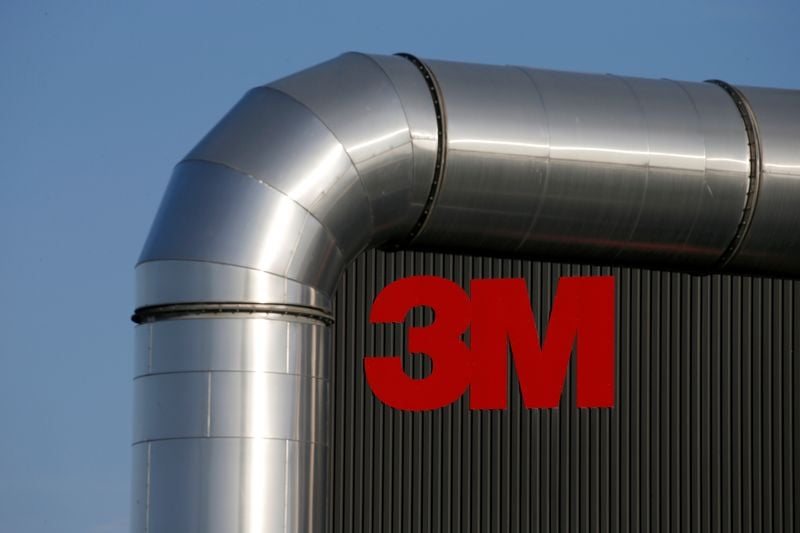
3M is set to argue that a landmark A$1.4 billion class action brought in Australia over contamination from so-called forever chemicals is legally flawed, a court has heard, as the industrial giant mounts a defence against claims that it polluted waterways and land near its Melbourne manufacturing site.
The case, one of the largest environmental class actions ever brought in Australia, centres on per- and polyfluoroalkyl substances, or PFAS, a group of man-made chemicals used in products ranging from firefighting foam to non-stick cookware. The claimants allege that 3M's operations at its plant in the Melbourne suburb of Brooklyn released PFAS into the surrounding environment, contaminating soil, groundwater and waterways.
3M is expected to tell the court that the lawsuit is legally flawed, though the specific grounds of that argument have not been detailed. The company has consistently maintained that its PFAS products were safe and that it complied with applicable regulations at the time. The hearing is part of a broader legal battle that could have significant financial implications for 3M, which is already facing a wave of PFAS-related litigation in the United States and elsewhere.
The Australian class action, brought on behalf of thousands of residents, landowners and businesses in the affected areas, seeks compensation for property damage, loss of value and potential health impacts. The claimants argue that PFAS contamination has diminished the value of their properties and disrupted their lives. The case is being closely watched by legal experts and environmental groups, as it could set a precedent for how Australian courts handle large-scale chemical contamination claims.
PFAS are known as forever chemicals because they do not break down easily in the environment or the human body. They have been linked to a range of health issues, including certain cancers, thyroid disorders and immune system problems. The chemicals have been found in water supplies, soil and even human blood across the world, prompting regulatory action in several countries.
3M has already agreed to pay billions of dollars in settlements in the United States over PFAS contamination, including a US$10.3 billion settlement in 2023 to resolve claims that it polluted drinking water systems. The company has also announced plans to stop manufacturing PFAS by the end of 2025, citing the changing regulatory landscape and growing concerns about the chemicals.
The Australian case is being heard in the Federal Court, and the current hearing is focused on preliminary legal arguments. If 3M's challenge is successful, it could significantly narrow the scope of the lawsuit or even lead to its dismissal. If the case proceeds, it could take years to reach a final resolution, with both sides expected to call expert witnesses and present extensive evidence.
For the residents and businesses involved, the outcome could have far-reaching consequences. Many have been living with the uncertainty of contamination for years, and some have already had to relocate or abandon their properties. The case also raises broader questions about corporate responsibility for environmental damage and the adequacy of Australia's regulatory framework for industrial chemicals.
3M's shares have been under pressure in recent years due to the mounting costs of PFAS litigation. The company has set aside substantial reserves to cover potential settlements and legal fees, but the final bill could be much higher depending on the outcome of cases like the one in Australia. Investors will be watching the proceedings closely for any indication of how the company plans to manage its legal exposure.
The court hearing is expected to continue over the coming days, with both sides presenting their arguments on the legal issues raised by 3M. A ruling on the challenge is not expected immediately, and the case is likely to proceed through several more stages before any final judgment is reached.
10