Technology 4 min read By Alice Ashford
US jury orders Apple to pay record $5.7bn in haptic patent case
A US jury has found Apple liable for $5.7bn in a patent dispute over haptic technology, in what would be one of the largest damages awards in US patent litigation history.
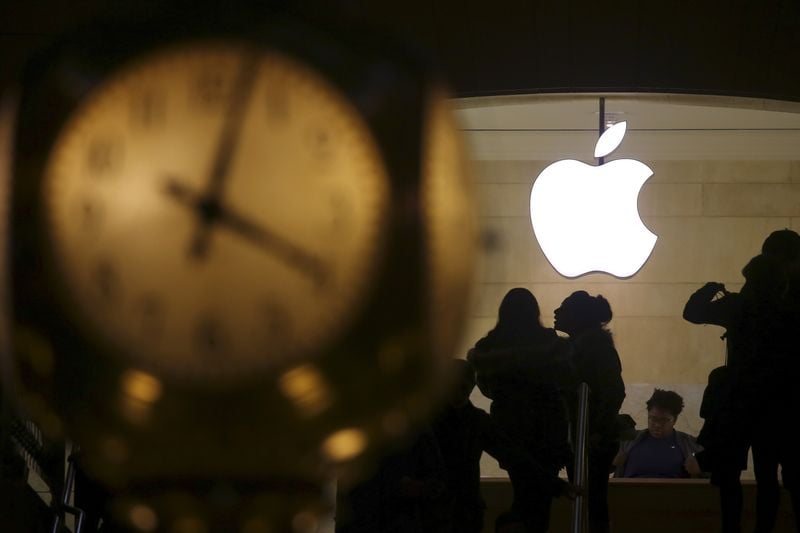
A US jury has found Apple liable for $5.7bn in a patent dispute over haptic technology, a verdict that ranks among the largest damages awards ever returned in American patent litigation and threatens to reshape the financial calculus for the company's flagship devices.
The case centres on haptic technology, the system of tiny motors and software that produces the physical feedback users feel when tapping a screen, pressing a button or receiving an alert. Haptics have become a core feature of modern consumer electronics, particularly smartphones and wearables, and the verdict suggests the jury accepted that Apple's implementation infringed protected intellectual property.
The scale of the award is striking. At $5.7bn, the sum is larger than the annual revenue of many mid-sized technology firms and would represent a material charge against Apple's balance sheet if it survives the appeals process. Patent damages of this magnitude are rare, and the figure is likely to be contested vigorously in the coming months.
Apple has not yet indicated how it will respond, but the company has a long record of challenging adverse patent rulings through post-trial motions and appeals. Any final outcome could take years to resolve, and the initial verdict does not guarantee that the full amount will ever be paid. Courts can reduce awards, overturn liability findings or order a new trial on damages.
The verdict nonetheless lands at a sensitive moment for the consumer technology industry, where haptic feedback has moved from a premium novelty to an expected feature across phones, tablets, watches and laptops. Companies that supply or license haptic components and patents will be watching closely, as the case could set a benchmark for how such intellectual property is valued.
For Apple, the immediate question is financial and operational. A $5.7bn liability would be significant even for a company of its size, though the firm generates enough cash to absorb such a charge without threatening its day-to-day operations. The bigger risk may be precedent: a confirmed finding of infringement could invite further claims from other patent holders and complicate the design of future products.
The dispute also highlights the growing importance of touch as a competitive battleground. As screens have become larger and thinner, and as devices have shed physical buttons, haptic systems have taken on more of the work of communicating with users. That has made the underlying technology more valuable, and more litigious.
Investors and industry analysts are likely to treat the verdict as a reminder of the legal exposure that accompanies hardware innovation. Patent battles of this kind have become a recurring feature of the technology sector, with companies routinely accusing rivals of copying protected inventions. Most cases settle or are resolved without reaching a jury, but when they do go to trial the sums at stake can be enormous.
The case will now move into a post-trial phase, where Apple is expected to argue that the award is excessive or legally flawed. If the verdict stands, it would rank as one of the most expensive patent outcomes on record and would give fresh ammunition to patent holders seeking to enforce their rights against large technology manufacturers.
For now, the jury's decision marks a significant legal defeat for Apple and a landmark moment in the long-running debate over how much the industry owes to the inventors of the tactile technologies that have become part of everyday life.
6