
Technology 4 min read By Callum Montgomery
AI data centre growth outpaces US electricity grid expansion
US data centres are projected to consume nearly 12% of American electricity by 2030, but grid connection delays and slow infrastructure build-out mean many projects face years of waiting or interrupted service.
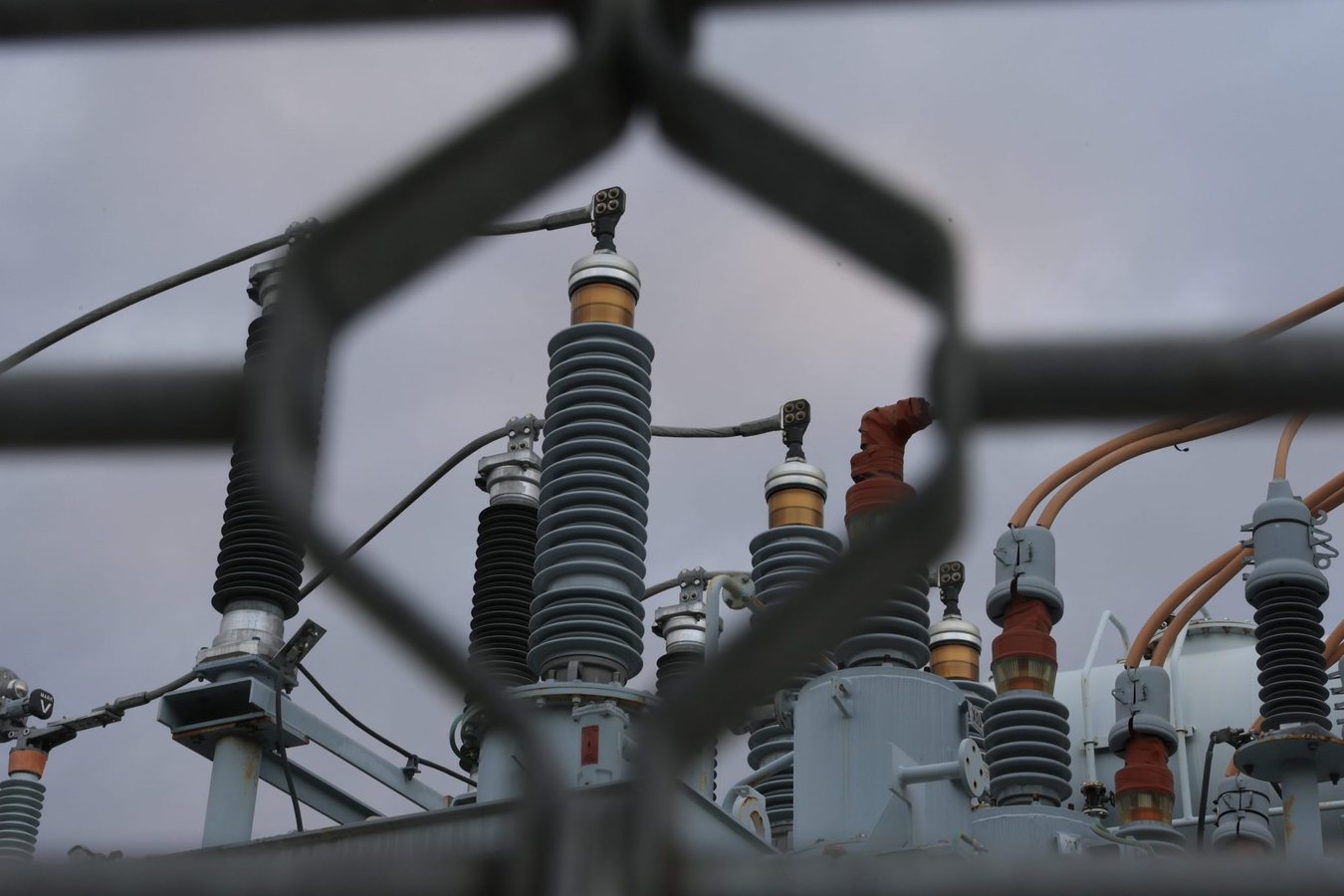
The rapid expansion of artificial intelligence is creating a widening gap between the speed at which technology companies can build data centres and the pace at which the US electricity grid can deliver power to them. Industry experts warn that the mismatch in timing is becoming a central constraint on AI growth, with consequences ranging from delayed projects to higher costs for developers and ratepayers.
Rob Gramlich, president of consulting firm Grid Strategies, said technology companies are accustomed to moving quickly while utilities are deliberately slow, having to ensure thousands of interconnected components work together before adding new load. The result is a timing mismatch that can take years to resolve. Data centres are projected to consume nearly 12% of all US electricity by 2030, almost six times their share in 2018, according to the Lawrence Berkeley National Lab.
Electricity demand is also rising faster than previously forecast. The North American Electric Reliability Corporation projects summer peak demand will grow by more than 224 gigawatts over the next decade, a figure 69% above the growth projected a year earlier, driven largely by new AI data centres. In the Western US grid region, planned data centres account for an average of 10% of demand forecasts and as much as 40% in some areas.
The grid was already under strain before the AI boom. Gramlich noted that the US electricity industry lost practice in building new infrastructure after 25 years of sluggish demand growth. Expansions in the 1980s and 1990s left utilities with spare capacity, and the period from 2000 to 2023 saw far weaker growth than earlier decades. Now the industry faces simultaneous pressure from electric vehicles, electric space heating, new manufacturing and data centres, with about half of new demand coming from AI facilities.
Kathryn Burke, who leads US specialty energy and power growth at insurance firm Marsh, said access to power is probably the number one bottleneck for data centre development in the country. Companies are requesting power at a faster delivery rate than the grid can handle. A gigawatt of electricity, enough to power 750,000 US homes, can take considerably longer to bring online than the two years developers typically request. US power projects that came online in 2025 spent a median of five years from requesting a grid connection to operating commercially, according to Berkeley Lab research.
The Department of Energy said in July there is a pressing need for more transmission infrastructure due to load growth from data centres and other factors. The most immediate consequence may not be widespread blackouts. Gramlich said utilities generally do not connect new customers they cannot reliably serve. Instead, data centres may face years of waiting for full service or accept provisional connections under which their power can be interrupted when the grid is strained.
Burke predicted that 50 to 60% of data centre projects will be delayed and will not be operational within the one-to-two-year period companies hope for. Utilities, seeking to avoid being left with stranded assets, are asking developers for more upfront money to fund generation capacity and grid upgrades. Whether many of these projects ultimately get built remains uncertain, given financing and infrastructure constraints.
61