
Sports 4 min read By Alice Ashford
UEFA Threatens World Cup Boycott Over FIFA’s Private Investment Plan
European football’s governing body is considering a boycott of the World Cup after FIFA proposed selling stakes in the tournament to private investors, with a deadline for national associations to accept a financial incentive.
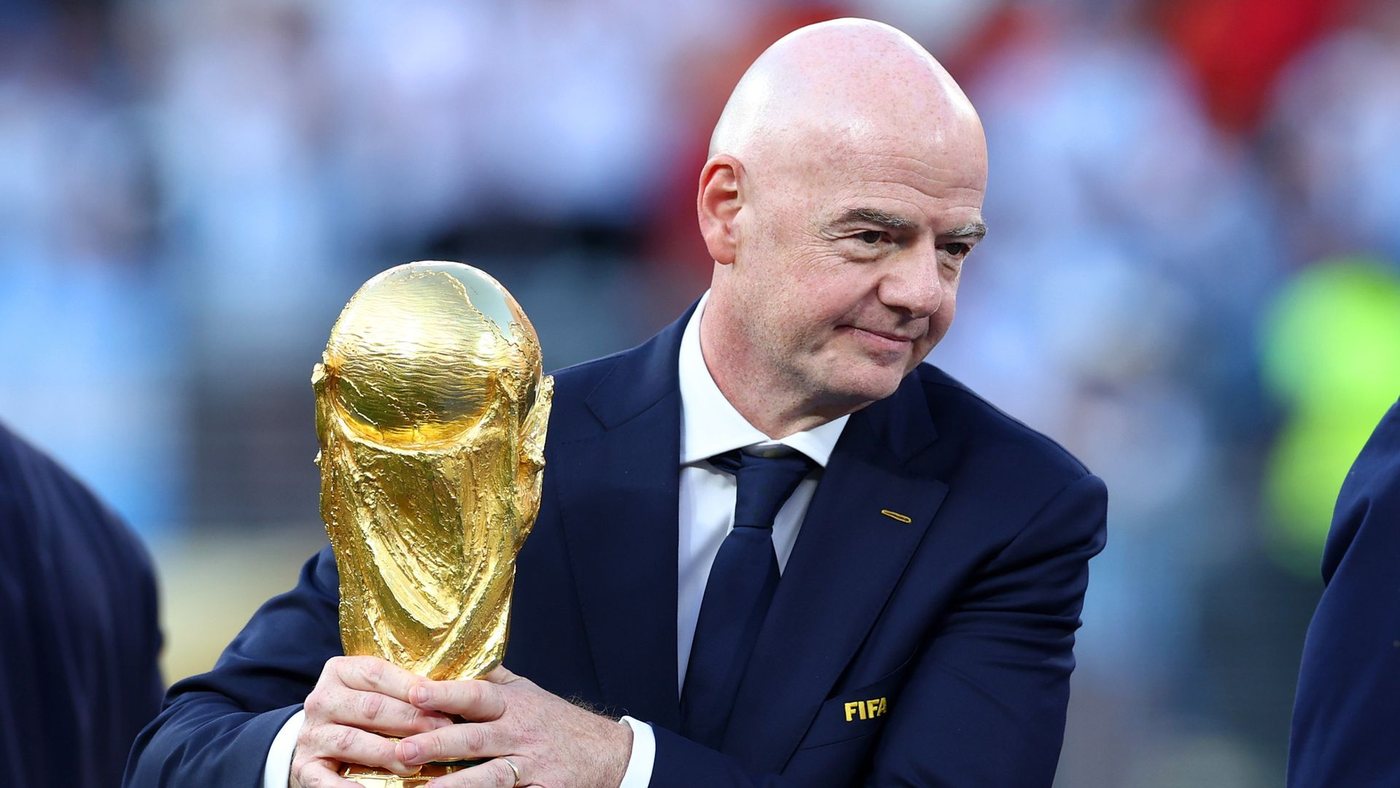
European football’s governing body, UEFA, has signalled that it may boycott the World Cup in response to a controversial proposal by FIFA president Gianni Infantino to sell stakes in the tournament to private investors. The move has sent shockwaves through the sport and left national associations scrambling for a coordinated response before a fast-approaching deadline.
The plan, announced nine days after the conclusion of the 2026 World Cup, would allow private investors to buy shares in FIFA’s flagship competition. Infantino has given member associations until 19 September to decide whether to accept an initial payment of $20m (£15m) that would effectively be seen as an endorsement of the scheme. A letter obtained by Sky Sports reveals that the offer has since been raised to $40m (£30.1m) as an incentive for national federations to back the proposal. FIFA’s record $15bn (£11.2bn) revenue from the recent tournament has only intensified scrutiny over how the sport’s global governing body intends to manage its finances.
The Football Association (FA) has already expressed “deep concern” over the plan, stating that it was “completely unaware” of the proposal until it was made public. The FA’s stance aligns with a growing sense of alarm among European federations, who view the scheme as a threat to the integrity and governance of international football. Reports from multiple outlets, including the Daily Mail and the Evening Standard, indicate that UEFA is now considering a boycott of the World Cup as a last resort to block the plan.
The crisis marks the latest flashpoint in a long-running power struggle between European football and FIFA. One senior European football figure, speaking during the recent World Cup, suggested that Infantino might try to defuse the fallout from the Folarin Balogun scandal by announcing more funding for associations. The Balogun affair, which involved eligibility and registration disputes, had already damaged FIFA’s credibility. Instead, the plan to sell off stakes in the World Cup has deepened mistrust. Critics argue that Infantino is “out of control” and that the time has come to remove him from the presidency, as the Daily Mirror has bluntly stated. The proposal would potentially enrich Infantino and his inner circle while ceding control of football’s most valuable asset to outside investors.
The timeline is tight. With the 19 September deadline looming, UEFA and its member associations have little time to formulate a unified response. A boycott of the World Cup would be an unprecedented step, but it would also make FIFA’s plans commercially untenable if Europe’s top teams and leagues refused to participate. The Guardian’s Nick Ames argues that UEFA must show backbone and take concrete action, as words alone have been used too many times without effect. The FA has joined the criticism, and the pressure is mounting on Infantino to back down or face a split that could fracture the international game.
Behind the scenes, senior personnel are scrambling to assess the legal and financial implications of the proposal. If a critical mass of associations accept the payment, FIFA could claim a mandate for the plan. Conversely, if European bodies hold firm and refuse, the scheme could collapse. The outcome will depend on whether UEFA can persuade enough federations worldwide to resist the financial lure. For now, the ball is in Infantino’s court, but European football is preparing to play hardball.