Politics 5 min read By Arthur Ellington
Vance rejects term «war» for Iran conflict as fighting continues before midterms
Vice President JD Vance has refused to describe the US military campaign against Iran as a war, insisting there is no active shooting, even as Tehran continues to strike Gulf allies and oil prices remain elevated ahead of November's midterm elections.
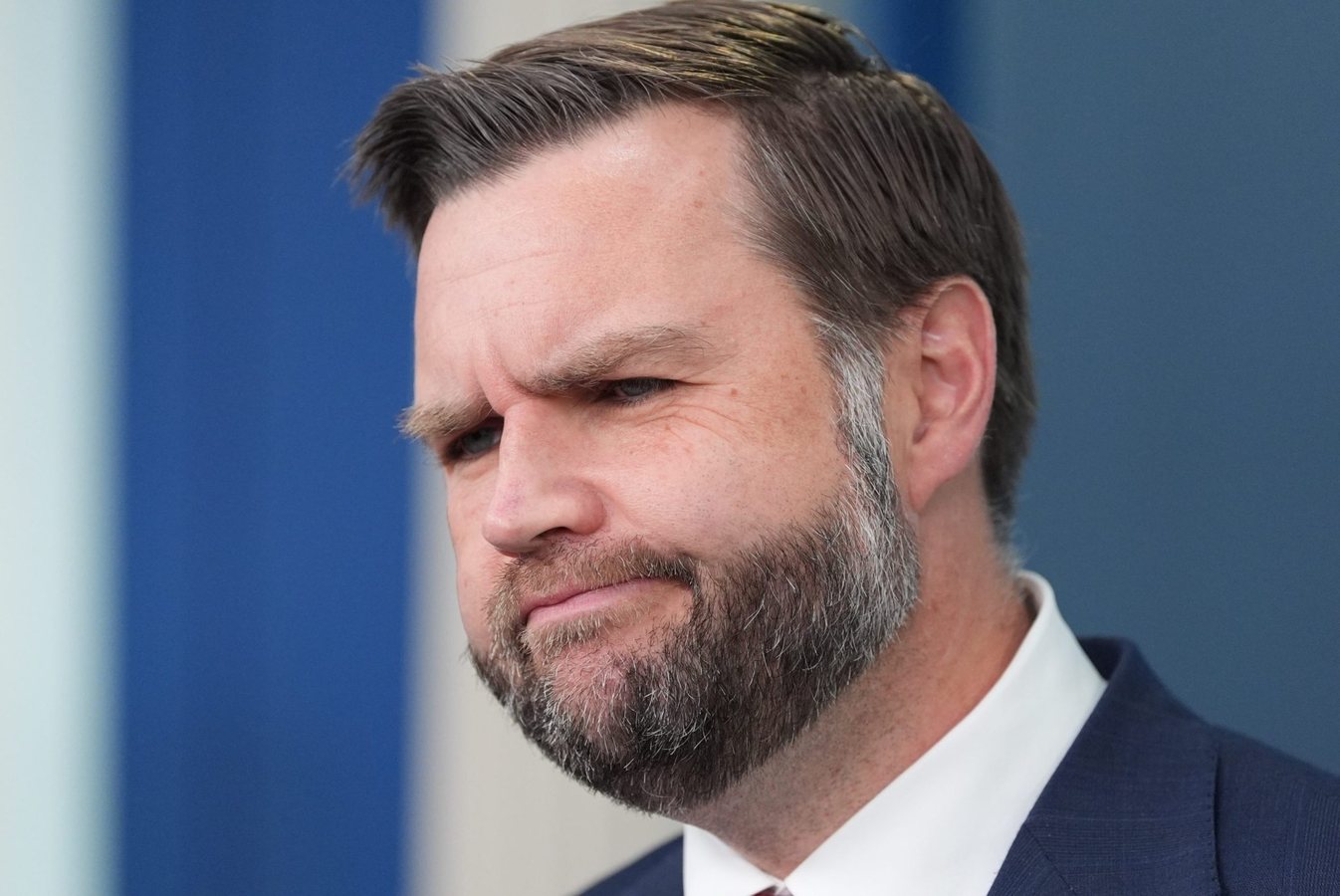
Vice President JD Vance has rejected the use of the word «war» to describe the United States' six-month military confrontation with Iran, as the administration seeks to manage voter concerns ahead of November's congressional elections. Speaking at a White House press briefing on Thursday, Vance said he would not characterise the ongoing fighting as a war, adding: «Right now, there is no active shooting.»
The vice president's remarks came on the same day Iran fired at Kuwait, a US Gulf ally, in continued retaliation for American strikes earlier in the week. Vance defended those strikes as a «responsibility», arguing that Iran had continued to target commercial vessels passing through the Strait of Hormuz. His attempt to minimise the intensity of the conflict underscores the political challenge facing President Donald Trump's administration as it tries to persuade voters to keep Republicans in control of Congress.
The conflict, which the White House initially said would last a matter of weeks, has driven up petrol prices and left consumers grappling with higher inflation. Brent crude hovered above $95 per barrel on Thursday, compared with around $72 per barrel the day before the fighting began. Vance declined to set «artificial timelines» for an end to hostilities, saying the question of when the conflict would conclude depended on Iran. «You would have to ask the Iranians,» he said.
The administration has faced scrutiny over its handling of casualty figures. In July, it reclassified four fallen soldiers and dozens of wounded troops in its Defence Casualty Analysis System, placing them in a new category called «Overseas Operations» after they had initially been tallied in the war totals. Pentagon officials have repeatedly pointed to the system as the definitive source on the numbers of dead and wounded from the conflict.
Trump and his aides have sought to project control over the Strait of Hormuz, through which about 20% of the world's traded oil passed before the war. Vance said the US escorted about 15 million barrels of oil on Wednesday, following Energy Secretary Chris Wright's claim that 17 million barrels were carried through the strait on Monday with US Navy assistance. About 20 million barrels of Gulf oil flowed through the strait daily prior to the start of the war.
Independent shipping data, however, suggests traffic remains well below prewar levels. Lloyd's List Intelligence recorded 102 transits last week and 126 the week before, compared with 130 or more per day before the conflict. estimated that an average of 5 million barrels a day have exited the strait over the past 28 days, with other estimates ranging from 2 million to 6 million barrels per day.
Rosemary Kelanic, Middle East director at Defense Priorities, accused the administration of «jawboning oil markets» with its claims of dramatically increased flows. «And they appear to be doing it again to keep prices from going too high, so that they can extend the timeline before there's a worse price spike,» she said.
With Iran refusing to back down, Trump has settled on a dual approach combining economic pressure with threats of escalation. The administration maintains that the campaign launched by the US and Israel has been devastating for Iran's navy and air force. Iranian officials say the country has suffered $270 billion in direct and indirect damage, while Israeli strikes in the first weeks of the war wiped out much of the country's leadership structure, including Supreme Leader Ayatollah Ali Khamenei.
Treasury Secretary Scott Bessent said this week that the Strait of Hormuz would become a «worthless piece of water» within two years as new land pipelines bypass the energy chokepoint. Trump highlighted on social media a report about Syria's effort to transform the port of Baniyas into a westward route for Gulf exporters. Meanwhile, Iran and Oman have recently discussed a phased approach to jointly managing ship traffic through the strait.
58