Politics 6 min read By Callum Montgomery
Ethiopia and Eritrea edge towards war as Tigray peace deal collapses
The 2019 Nobel Peace Prize rapprochement between Abiy Ahmed and Isaias Afwerki has unravelled, with renewed fighting in Tigray, rival claims over Red Sea access and Nile waters raising the risk of a wider regional conflict.
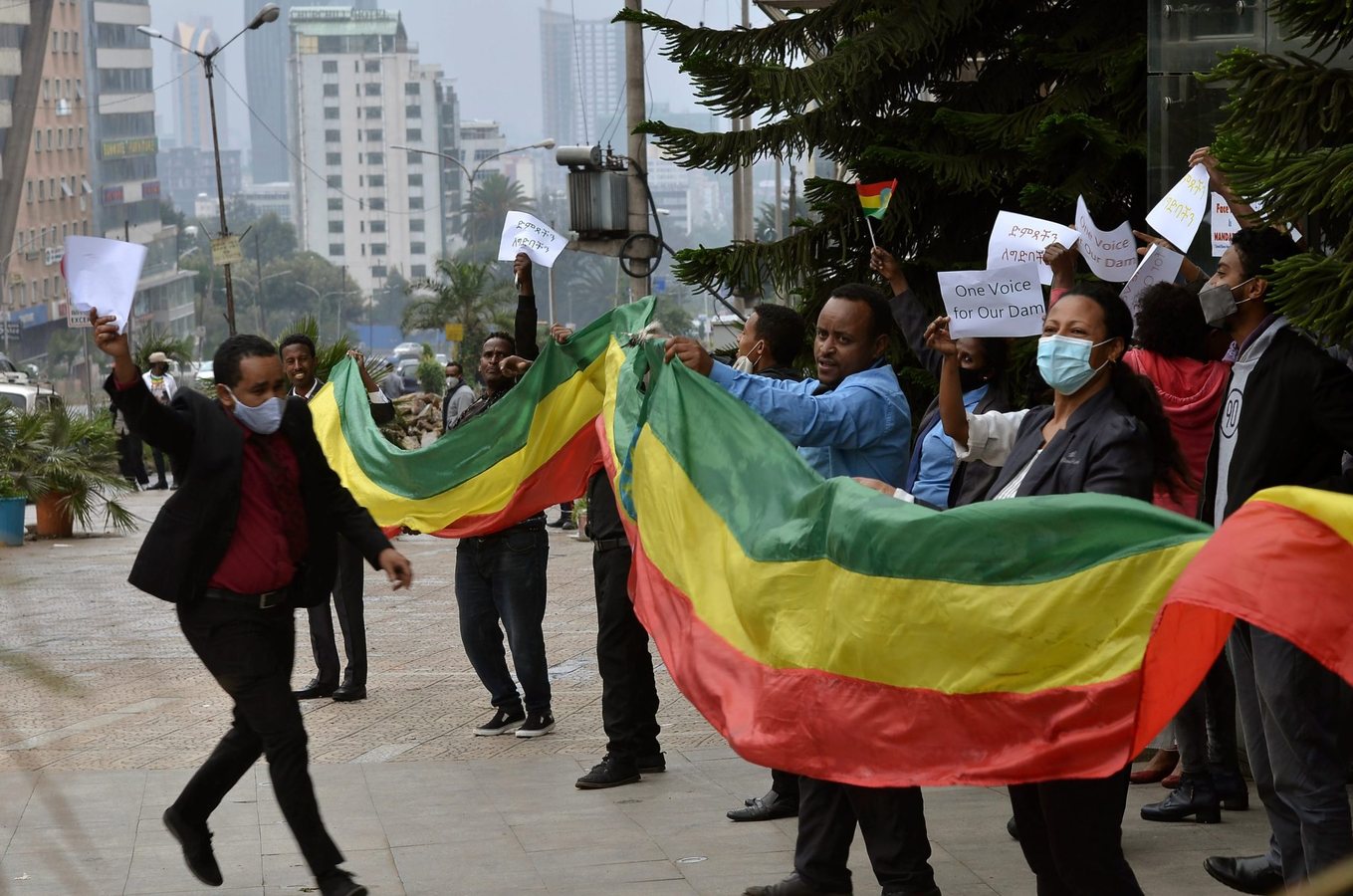
Ethiopia and Eritrea are sliding towards open confrontation, less than a decade after their leaders won international acclaim for ending one of Africa's longest-running border standoffs. Ethiopian Prime Minister Abiy Ahmed received the 2019 Nobel Peace Prize for reconciling with Eritrean President Isaias Afwerki, but the alliance that followed has collapsed, and the two countries now trade accusations that each is preparing for war.
The rupture threatens a region still recovering from the 2020-2022 war in Tigray, which researchers at Ghent University in Belgium estimate caused about 500,000 civilian deaths through violence, famine and the collapse of health services. That conflict began with Ethiopian and Eritrean forces fighting side by side against Tigrayan fighters; today the same former allies are squared off against each other.
Inside Ethiopia, the 2022 Pretoria peace agreement that ended the Tigray war has effectively been shattered by renewed fighting. Government-allied fighters entered Mekelle, the regional capital, on 4 October after the Tigray People's Liberation Front (TPLF) withdrew. Abiy's government announced a six-month caretaker administration to restore services, help displaced people return and prepare for elections. But Magnus Taylor, an analyst at the International Crisis Group, cautioned that losing towns does not stop rebels regrouping in rural areas.
The TPLF, which dominated Ethiopian government from 1991 until Abiy took power in 2018, joined six other opposition groups in September in an attempt to overthrow his Prosperity Party. The Ethiopian Peoples' Forces Alliance for Survival brings together former adversaries, including the Amhara Fano National Movement and the Oromo Liberation Army. Taylor told the Associated Press that the coalition combines political opposition to Abiy with military strength, and that parallel campaigns could stretch federal forces across several fronts, though whether the groups can coordinate effectively remains uncertain. Tigrayan forces are themselves divided: the government-allied Tigray Peace Force, made up of former members of the TPLF's armed wing, is fighting alongside federal troops against the rebels.
Ethiopian authorities accuse the TPLF of seeking an alliance with Eritrea to destabilise the country, potentially uniting enemies from the previous war. Eritrea denies backing the TPLF. Ethiopia also accuses Eritrea of supporting insurgents and occupying Ethiopian territory, allegations that have not been independently verified. Eritrea, for its part, accuses Ethiopia of trying to secure sea access by force. Diplomatic relations have broken down, and Asmara described Ethiopia's assertion that it was taking self-defence measures as a declaration of war.
The two countries fought a border war from 1998 to 2000 that killed about 70,000 people, according to the UN peacekeeping mission established afterwards. A prolonged standoff ended with Abiy's rapprochement with Isaias in 2018. Eritrea was not party to the 2022 Tigray agreement, and human rights groups and UN experts accused its troops of rape, looting and other wartime abuses; Isaias dismissed the allegations in 2023 as «a fantasy».
A central grievance is Abiy's persistent call for sovereign access to Eritrea's Red Sea port of Assab, which has alarmed Asmara and deepened the rift. Ethiopia is the world's most populous landlocked country, with an estimated 135.5 million people, and relies heavily on neighbouring Djibouti's port for trade. Its search for alternatives has also raised tensions with Somalia. In 2024 Ethiopia signed an agreement with Somaliland, a breakaway region of Somalia, proposing a coastal lease for an Ethiopian naval base; Somaliland authorities said Ethiopia would recognise its independence in return. The dispute helped draw Somalia closer to Egypt, and the leaders of Somalia, Egypt and Eritrea pledged regional security cooperation in October 2024, linking Somali sovereignty concerns, Eritrean fears over its ports and Egypt's dispute with Ethiopia over Nile waters. Turkish mediation later secured an agreement for Ethiopia and Somalia to pursue commercial sea access under Somali sovereignty.
Egypt, which relies almost entirely on the Nile for its water, has called Ethiopia's Grand Ethiopian Renaissance Dam an existential threat. The dam, inaugurated in September 2025 on the Blue Nile near Sudan, is Africa's largest hydroelectric project and is intended to double Ethiopia's electricity generation capacity and support power exports. Ethiopia says it will not deprive downstream countries of their share, but the central dispute is how much water it would release during a prolonged drought. Egypt and Sudan want binding rules for filling and operating the dam; Ethiopia favours guidelines. A separate Nile Basin accord took effect in 2024 promoting equitable use of the river, backed by Ethiopia and five other countries, while Egypt and Sudan declined to sign, fearing their water shares could be reduced.
The danger, analysts warn, is that Ethiopia's internal fighting, its confrontation with Eritrea and regional disputes over ports and water could feed one another. Taylor warned that the proximity of Ethiopian and Eritrean forces increases the risk of miscalculation.
15