Politics 5 min read By Callum Montgomery
Burnage by-election set for September as Manchester council seat triggers contest
A by-election for the Burnage ward of Manchester City Council is expected to take place on 10 September 2026, with campaign topics already shaping the contest.
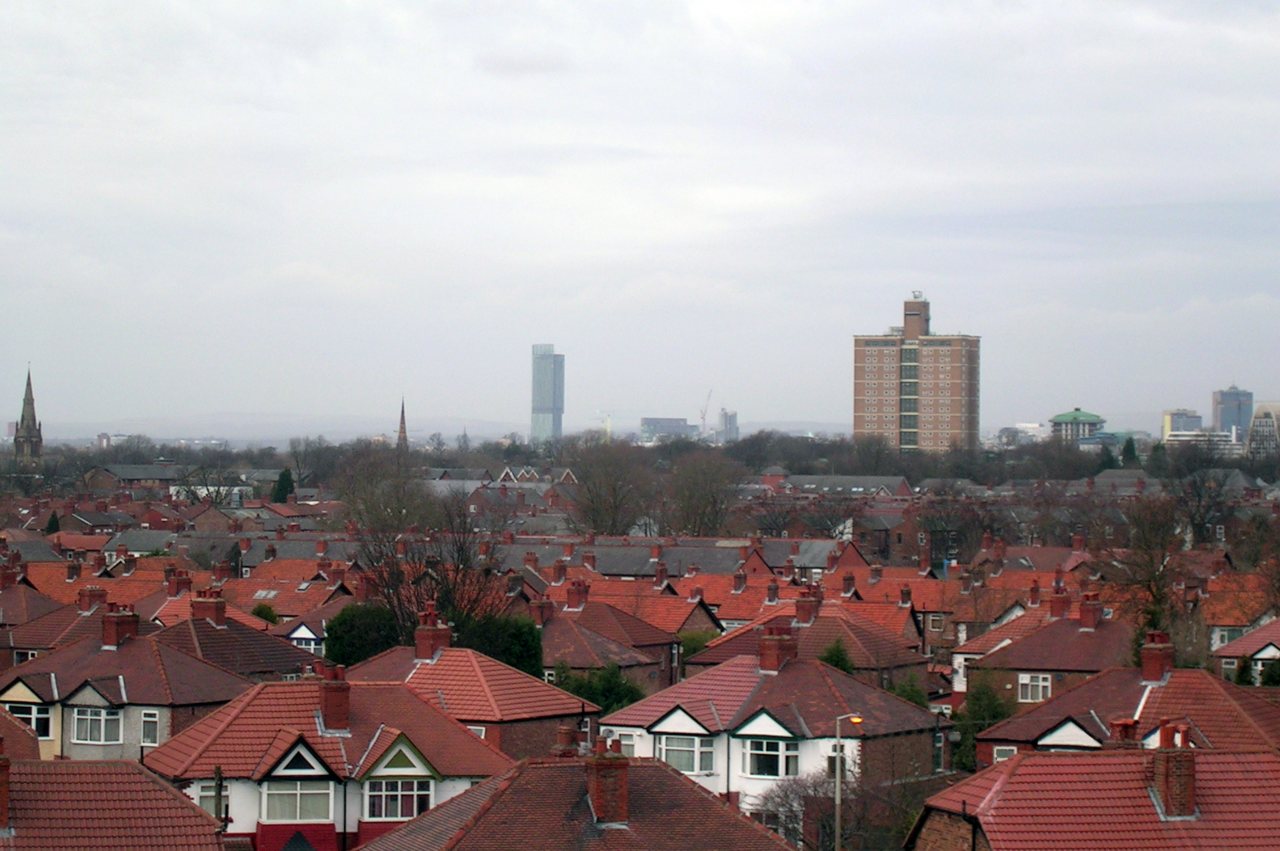
A by-election for the Burnage ward of Manchester City Council is expected to be held on 10 September 2026, with the contest set to test local political sentiment in the south Manchester constituency. The election, which is anticipated with a high degree of certainty, will fill a vacancy on the city council and is likely to draw attention from the main political parties as they seek to gain ground in the city.
Burnage, a residential ward in the south of Manchester, has been a consistent Labour stronghold in recent decades, with the party holding the seat through successive local elections. The by-election will nonetheless provide an opportunity for opposition parties, including the Conservatives, Liberal Democrats, and the Green Party, to challenge the ruling group on the council. Campaign topics are expected to focus on local issues such as housing, transport, and the condition of public services, alongside broader national concerns that typically influence mid-term local contests.
The timing of the by-election, set for early September 2026, places it outside the usual cycle of local elections in England, which are typically held in May. This means turnout is likely to be lower than at a scheduled election, a factor that can favour parties with strong local organising capacity. The date also follows the summer holiday period, which may affect campaign activity and voter engagement in the ward.
Manchester City Council has been controlled by the Labour Party for many years, and the Burnage ward has reflected that dominance. The by-election will be watched as a barometer of the council's standing and of the national political mood as it applies to local government. Issues such as the cost of living, council tax levels, and the delivery of local services are likely to feature prominently in the campaign literature and doorstep conversations.
The vacancy that triggers the by-election has not been officially detailed, but by-elections of this kind typically arise from the resignation, death, or disqualification of a sitting councillor. The council will be responsible for formally confirming the date and managing the electoral process, including the nomination of candidates and the organisation of polling stations across the ward.
Political observers will be looking at the result not only for its immediate impact on the council's composition but also for what it signals about voter sentiment ahead of the next general election. Local by-elections are often interpreted as indicators of national political trends, and a significant swing in Burnage could be read as a comment on the performance of the government and the opposition. The result will also shape the internal dynamics of the council, potentially affecting the balance of power on committees and the scrutiny of the ruling administration.
For residents of Burnage, the by-election offers a chance to raise concerns directly with candidates and to influence the direction of the council's policies in their area. The ward includes a mix of housing types, from Victorian terraces to post-war estates and more recent developments, and has a diverse population. Local campaign groups and residents' associations are expected to play a role in the contest, pressing candidates on issues such as road safety, school places, and the upkeep of parks and green spaces.
The formal notice of election, including the deadline for candidate nominations, will be published by the council in the weeks before the vote. Candidates will be required to submit nomination papers signed by a specified number of electors in the ward, and the campaign period will run until polling day. The count is expected to take place on the night of the election or the following day, with the result announced once all ballots have been verified.
68