Economy 5 min read By Alice Ashford
Ukrainian strikes on Wildberries force Kremlin and VTB to intervene
A wave of Ukrainian attacks on Russia's largest online retailer Wildberries has disrupted its operations, prompting the Kremlin and state-owned VTB bank to step in to stabilise the company and prevent broader economic fallout.
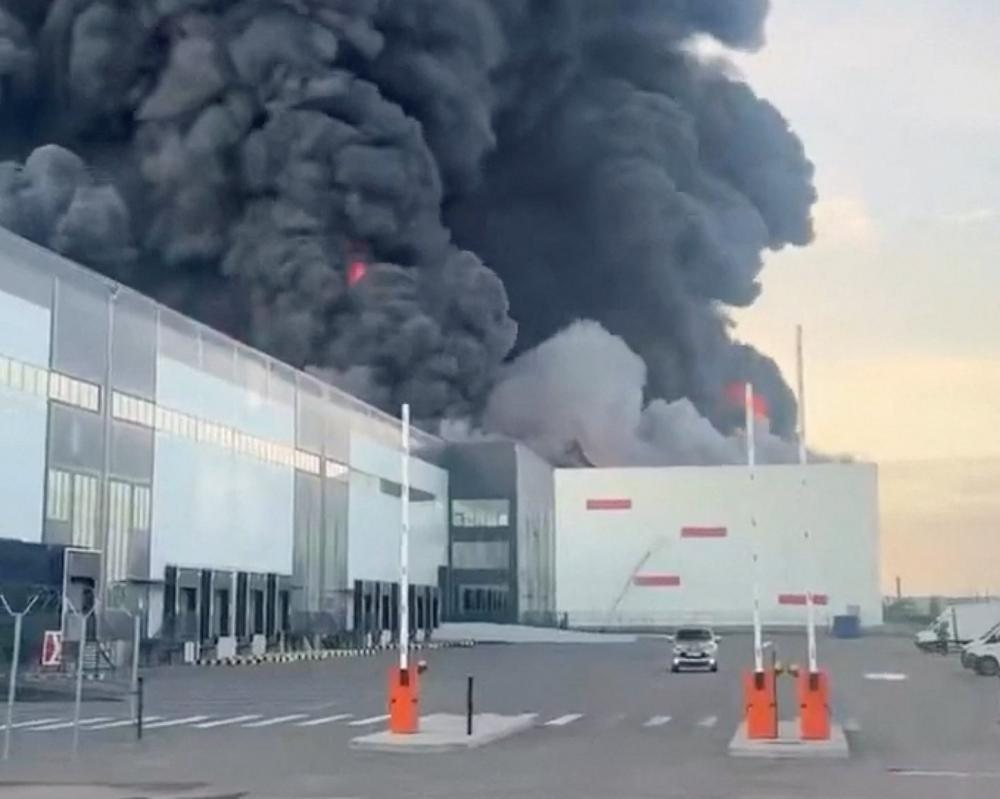
Ukraine has intensified its campaign against Russia's economic infrastructure, with a series of attacks on Wildberries, the country's largest online retailer, forcing the Kremlin and the state-owned VTB bank to intervene to prevent a collapse that could destabilise the broader Russian economy. The assaults, which have been ongoing over recent days, have crippled key logistical and payment systems at the e-commerce giant, leading to widespread delivery delays and a freeze on transactions.
Wildberries, founded by Tatyana Bakalchuk, has become a cornerstone of Russian retail, handling millions of orders daily and employing tens of thousands of workers across the country. Its dominance in the online shopping sector means any disruption has immediate ripple effects on suppliers, consumers, and the financial system. The attacks have reportedly targeted the company's data centres and supply chain networks, causing significant operational paralysis.
In response, the Russian government and VTB, the country's second-largest bank, have moved to provide emergency financial support to Wildberries. While the exact scale of the intervention has not been disclosed, sources close to the matter indicate that it involves both direct funding and guarantees to reassure banks and creditors. VTB, which has deep ties to the Kremlin, is seen as a key instrument in shielding strategically important firms from the economic consequences of the war.
The crisis at Wildberries underscores a growing vulnerability in Russia's wartime economy. Despite official claims of resilience, repeated Ukrainian strikes on logistics hubs, fuel depots, and now e-commerce infrastructure have begun to expose underlying weaknesses. The attacks are part of a broader Ukrainian strategy to target not only military assets but also the economic backbone that sustains Russia's war effort. By hitting companies like Wildberries, Kyiv aims to increase domestic pressure on the Kremlin by disrupting daily life and eroding public confidence.
The economic impact could be significant. Wildberries processes payments through its own financial arm, which is integrated with major Russian banks. Any prolonged disruption could trigger a liquidity crunch affecting millions of consumers and thousands of small businesses that rely on the platform for sales. The intervention by VTB is intended to prevent a cascade of defaults and maintain confidence in the broader banking sector.
In a related development, prosecutors in Kyiv have signalled that they may prepare legal action against Belarusian leader Alexander Lukashenko. The move, reported by Ukrainian media, would be the latest attempt to hold the Belarusian government accountable for its support of Russia's invasion. Lukashenko has allowed Russian forces to use Belarusian territory and has provided logistical backing since February 2022. While the legal proceedings would largely be symbolic, they represent an escalation in Ukraine's efforts to pursue accountability through international legal channels.
The dual developments highlight the expanding front of the conflict, which now extends into the realms of economic warfare and international law. For Russia, the attack on Wildberries sends a stark warning that no sector is immune from Ukrainian retaliation. The Kremlin's response — a rapid bailout of a private company — signals its recognition of the threat that economic disruption poses to social stability. Yet the long-term effectiveness of such stopgap measures remains uncertain, especially if attacks continue to multiply.
As the war enters its 1,618th day, the battle for control of Russia's economic infrastructure is likely to intensify. The Wildberries case may serve as a template for future Ukrainian operations designed to weaken the Russian state from within, while the legal steps against Lukashenko add a diplomatic dimension to a conflict that shows no signs of resolution.
94