Economy 4 min read By Bethany Hadley
Senegal's Oil and Gas Exports Fail to Ease Soaring Bread Prices
Senegal is now an energy exporter, yet the cost of its staple baguette keeps climbing, exposing a disconnect between hydrocarbon revenues and household food bills.
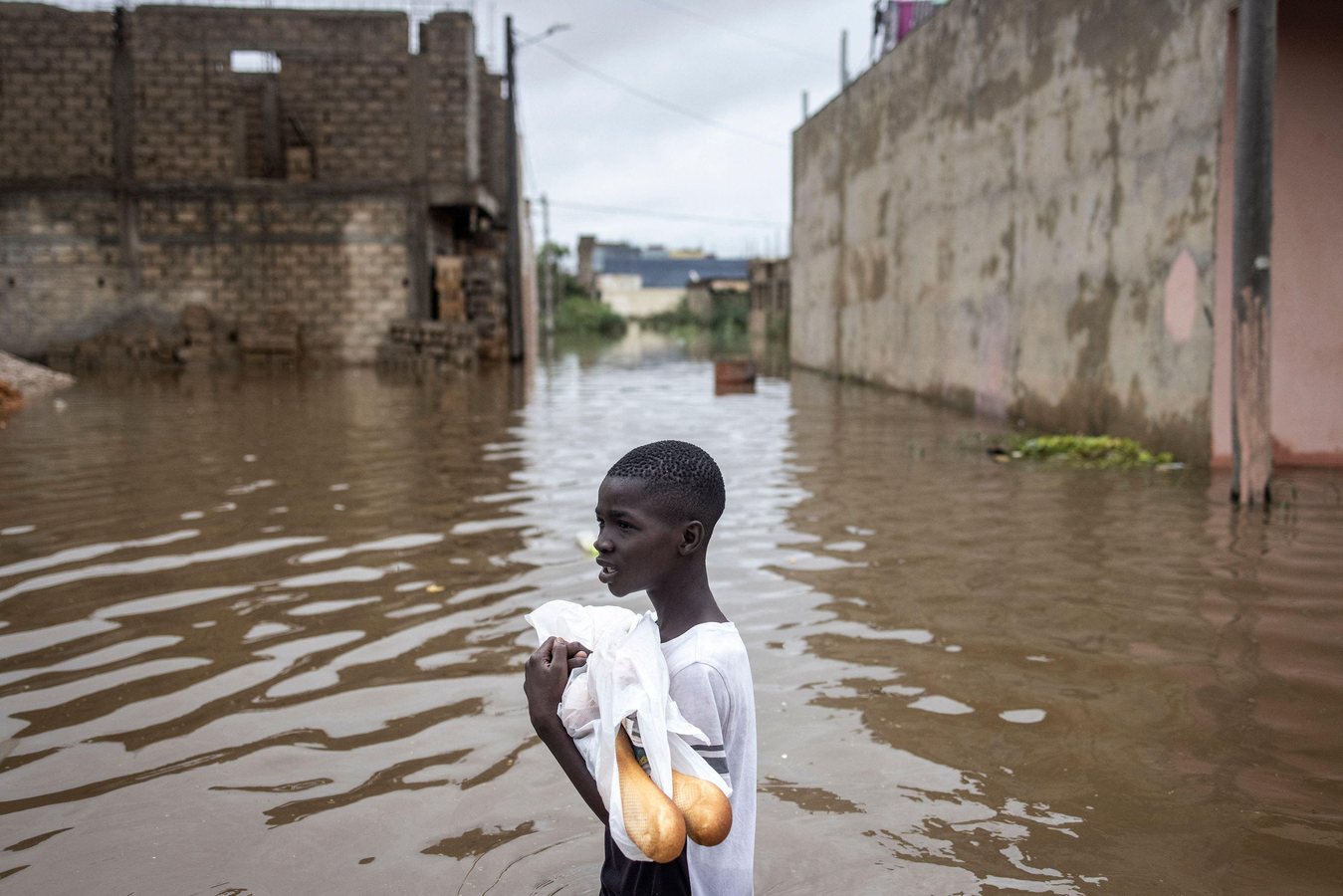
Senegal has become an oil and gas exporter, but the milestone has yet to translate into relief for households grappling with the rising cost of bread, the country's most visible food staple. The paradox of a nation earning hydrocarbon revenue while its citizens pay more for a daily baguette is drawing attention to how energy wealth is distributed and whether it reaches the consumer.
The price of bread in Senegal is shaped by forces that oil and gas exports do not directly touch. Wheat is imported, meaning the cost of a baguette is tied to global grain markets, shipping expenses and the exchange rate of the CFA franc rather than to domestic energy output. Even as tankers leave Senegalese ports with crude and liquefied natural gas, the raw material for the nation's bakeries still arrives from abroad, leaving bakers and their customers exposed to international price swings.
Energy exports do generate government revenue, but the benefits arrive through fiscal channels that take time to reach household budgets. Royalties and taxes from oil and gas production must first flow into public coffers before any subsidy, transfer or price support can be funded. In the interim, consumers face the same shop prices as before the first export cargo, with no immediate mechanism linking export earnings to the cost of a loaf.
The timing of Senegal's entry into the ranks of energy producers has also coincided with a period of elevated global energy costs. International oil prices remain high, which raises the cost of transport, fertiliser and imported inputs across the food chain. For a country that imports much of its wheat, higher fuel prices add to the landed cost of flour, reinforcing the upward pressure on bread prices rather than easing it.
Bakers in Senegal operate on thin margins and have little room to absorb higher input costs. When flour, fuel and other expenses rise, the increase is typically passed to customers, and the baguette, a daily purchase for many households, becomes a sensitive indicator of wider inflation. The result is a visible gap between the country's new status as an energy exporter and the lived experience of shoppers who see no change in what they pay.
The government faces pressure to demonstrate that hydrocarbon wealth delivers tangible benefits. Options include targeted subsidies on wheat or bread, support for domestic milling and storage capacity, or broader measures to stabilise food prices. Each carries fiscal costs and trade-offs, and the longer the disconnect persists, the harder it becomes to argue that energy exports are improving daily life.
Economists note that resource-rich countries often experience a lag between production starting and living standards rising. Building the institutions to collect, manage and spend energy revenue transparently is a multi-year process, and expectations can outrun delivery. Senegal's challenge is to shorten that lag and ensure that the revenue from its offshore fields is channelled into measures that households can feel.
For now, the baguette remains an affordable luxury for some and a growing burden for others. The contrast between export terminals and bakery counters is a reminder that macroeconomic milestones do not automatically become microeconomic relief, and that the politics of food prices can be as consequential as the politics of energy.
5