Economy 5 min read By Callum Montgomery
Rail services in southern England set to slow as drought shrinks soil
South Western Railway is expected to join operators in eastern England in reducing train speeds and altering timetables as persistent drought conditions undermine railway embankments.
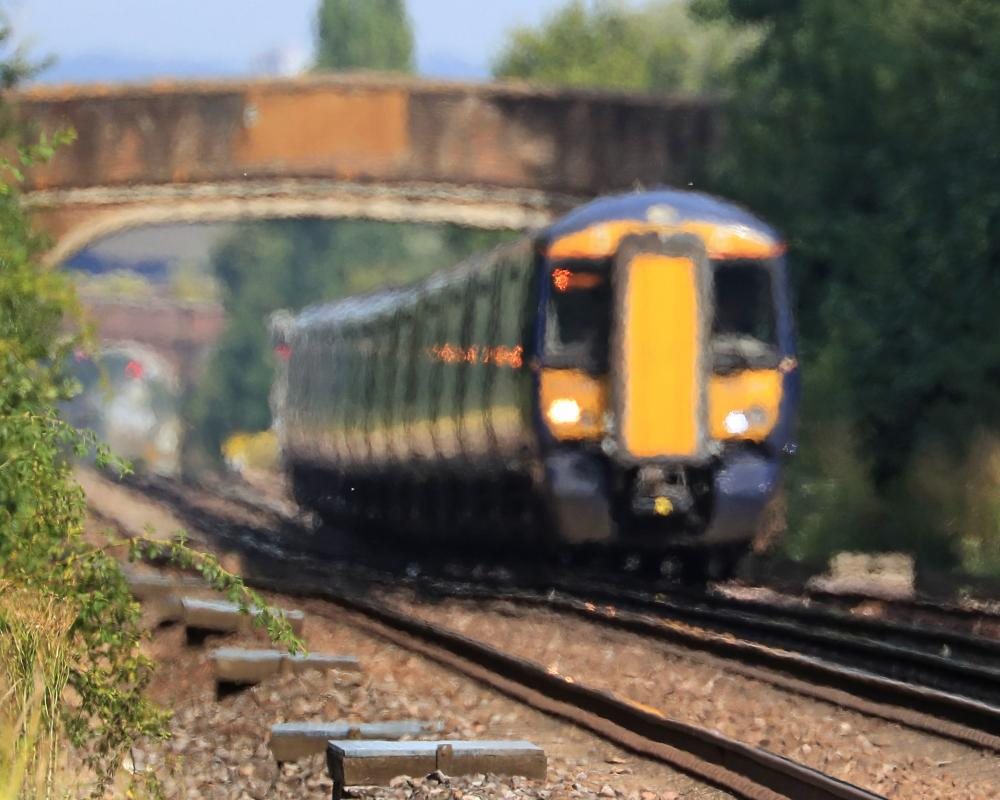
More rail services across southern England are expected to be disrupted as the prolonged drought caused by the climate crisis shrinks the soil beneath railway lines, forcing operators to cut speeds and change timetables. South Western Railway is poised to become the latest major train company to announce such measures, following similar steps by operators in the east of England.
The decision comes as the region experiences a sustained period of hot and dry weather, with temperatures forecast to reach 36°C in parts of the country this week, according to the Met Office. The lack of rainfall has led to the contraction of clay soils that support railway embankments, causing the ground to shift and potentially destabilise tracks. To ensure safety, train companies are imposing speed restrictions on certain routes, which in turn extends journey times and requires timetable adjustments.
South Western Railway runs services across a large area including London, Surrey, Hampshire, Dorset, Devon, and Cornwall. Its network includes many stretches of track built on clay embankments that are particularly vulnerable to shrinkage during dry spells. The company is expected to announce specific routes where slower speeds will apply, as well as revised schedules to account for the longer running times. Passengers have been warned to expect delays and to check for updates before travelling.
The disruption is not limited to one region. Earlier this week, Greater Anglia, which operates services across East Anglia and parts of the East Midlands, confirmed it would introduce speed restrictions on several lines due to the same ground conditions. Other operators in the east of England, such as Thameslink and Great Northern, have also taken precautionary steps. The cumulative effect is adding strain to a rail network already under pressure from ageing infrastructure and increasing passenger demand.
Industry experts have pointed to the growing frequency of such heat-related disruptions as evidence of the climate crisis affecting transport infrastructure. The rail industry has invested in measures such as heat-resistant track components and vegetation management, but the underlying problem of soil shrinkage is difficult to address on a large scale. Network Rail, the public body responsible for tracks and signalling, has acknowledged that extreme weather events now pose a significant risk to reliability and is reviewing its long-term adaptation strategies.
The economic impact of the slowdowns is likely to be felt across the affected regions. Commuters face longer journeys, which can reduce productivity and increase costs for businesses that rely on just-in-time deliveries or staff travel. The tourism sector in the South West and East of England may also experience a dip if visitors are deterred by unreliable services. Meanwhile, the rail companies themselves face higher operational costs from running slower services and managing timetable changes, as well as potential compensation claims for delays.
Passengers have expressed frustration at the repeated disruptions, with many calling for more robust investment in climate-resilient infrastructure. Environmental groups argue that the situation underscores the urgent need to reduce carbon emissions and accelerate the transition to sustainable transport. The rail industry, for its part, has reiterated its commitment to safety and said it is working to minimise inconvenience while adapting to the realities of a warming climate.
As the heatwave continues, further operators may be forced to impose similar restrictions. The Met Office has indicated that the hot and dry conditions could persist into early August, meaning the risk of soil shrinkage will remain elevated. For now, travellers in southern and eastern England should prepare for a summer of slower journeys and altered timetables.
98