Economy 4 min read By Alice Ashford
Oil Prices Slip as US Inventory Build Eases Middle East Supply Concerns
Crude prices fell after a larger-than-expected rise in US stockpiles offset supply worries linked to Middle East tensions, with Brent and West Texas Intermediate both losing ground.
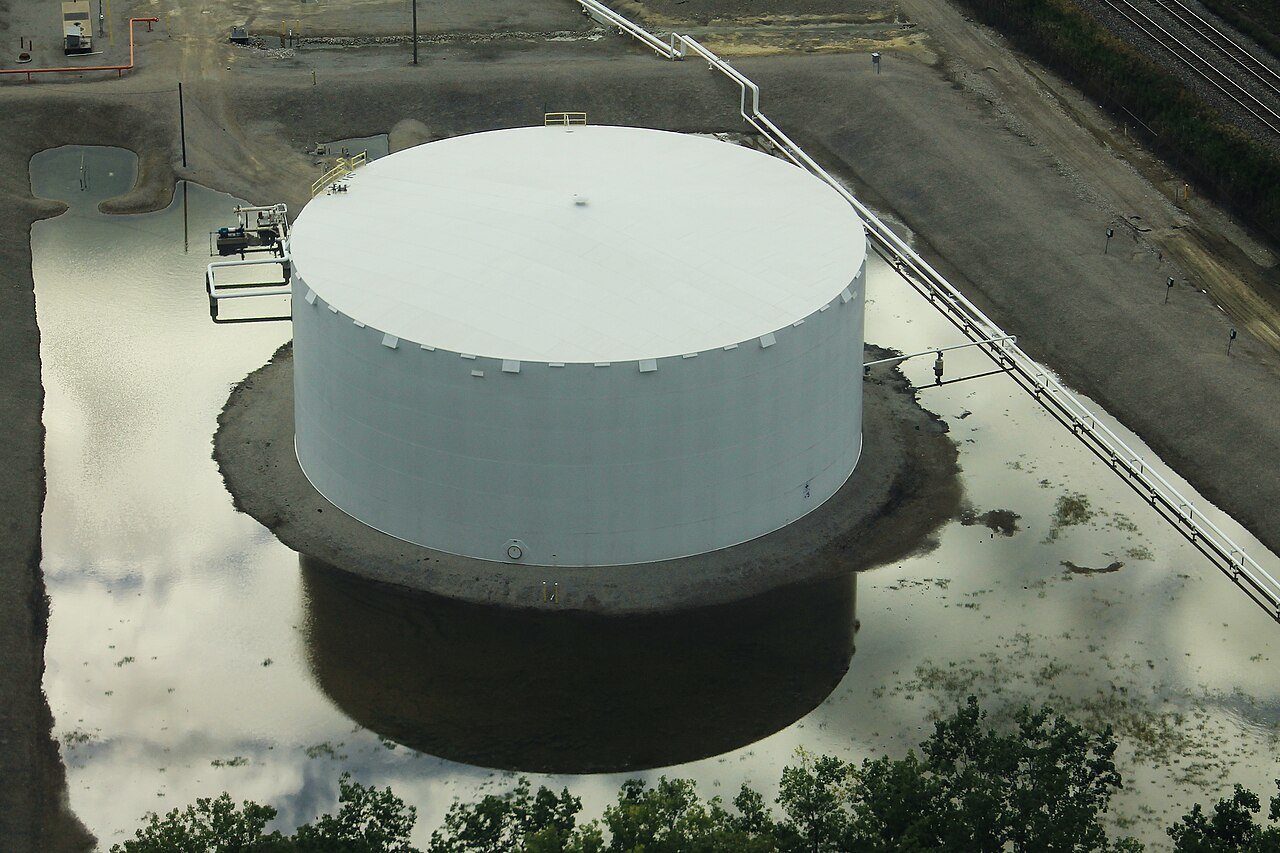
Oil prices edged lower on Wednesday after an unexpected build in US crude inventories outweighed concerns over potential supply disruptions in the Middle East. Brent crude, the international benchmark, slipped below $85 a barrel, while West Texas Intermediate, the US standard, fell towards $81. The decline reversed earlier gains that had been driven by geopolitical risk in the world's largest oil-producing region.
According to industry data, US commercial crude stockpiles rose by several million barrels last week, defying analyst expectations of a modest draw. The build was concentrated in the Gulf Coast, where refinery activity has been subdued by seasonal maintenance. The increase in inventories signalled that near-term demand in the world's largest economy remains soft, even as broader macroeconomic indicators point to resilient growth.
The supply jitters had been stoked by renewed tensions in the Middle East, including reports of disruptions to shipping lanes and attacks on energy infrastructure. Those concerns had pushed prices higher earlier in the week, but the inventory data shifted the market's focus back to fundamentals. Traders noted that the risk premium embedded in crude prices had been eroded by the bearish stockpile figures.
Analysts said the market is caught between competing forces: geopolitical risk that could tighten supply, and ample inventories that suggest no immediate shortage. «The build in US inventories has taken some of the heat out of the rally,» said one commodities strategist. «But the situation in the Middle East remains fluid, and any escalation could quickly reverse the current trend.»
The price dip also came as the dollar strengthened, making dollar-denominated oil more expensive for holders of other currencies. A stronger greenback tends to weigh on crude demand from international buyers. Meanwhile, investors are monitoring upcoming decisions from the Federal Reserve and OPEC+ for further direction.
Refinery margins have been under pressure, with crack spreads narrowing in recent weeks. That has discouraged refiners from processing more crude, contributing to the inventory build. Some analysts expect the surplus to persist if demand from Asia remains lacklustre, particularly from China, where economic recovery has been uneven.
On the supply side, OPEC and its allies have maintained production cuts, but compliance among some members has been inconsistent. The group is scheduled to meet next month to review its output policy. Any decision to unwind cuts could add further downward pressure on prices, though officials have signalled a cautious approach.
For UK businesses, the dip in oil prices offers modest relief on energy costs, but the volatility remains a challenge for planning. Fuel prices at the pump have been slow to reflect the drop in crude, as retailers cite higher operating costs and currency effects. The broader inflation outlook remains uncertain, with energy a key component of the consumer price basket.
Traders will continue to watch weekly inventory reports and geopolitical developments for clues. The market's next move may hinge on whether the Middle East risk premium reasserts itself or whether bearish fundamentals, including rising US stocks, take hold. For now, the balance appears tilted towards the downside, with prices retreating from recent highs.