Economy 4 min read By Callum Montgomery
O'Neill Says Europe Is 'Lazy and Colonial' as India and China Outgrow the West
Jim O'Neill, the economist who coined the BRICs acronym 25 years ago, has accused Europe of complacency and protectionism while arguing that India and China remain under-represented in global decision-making.
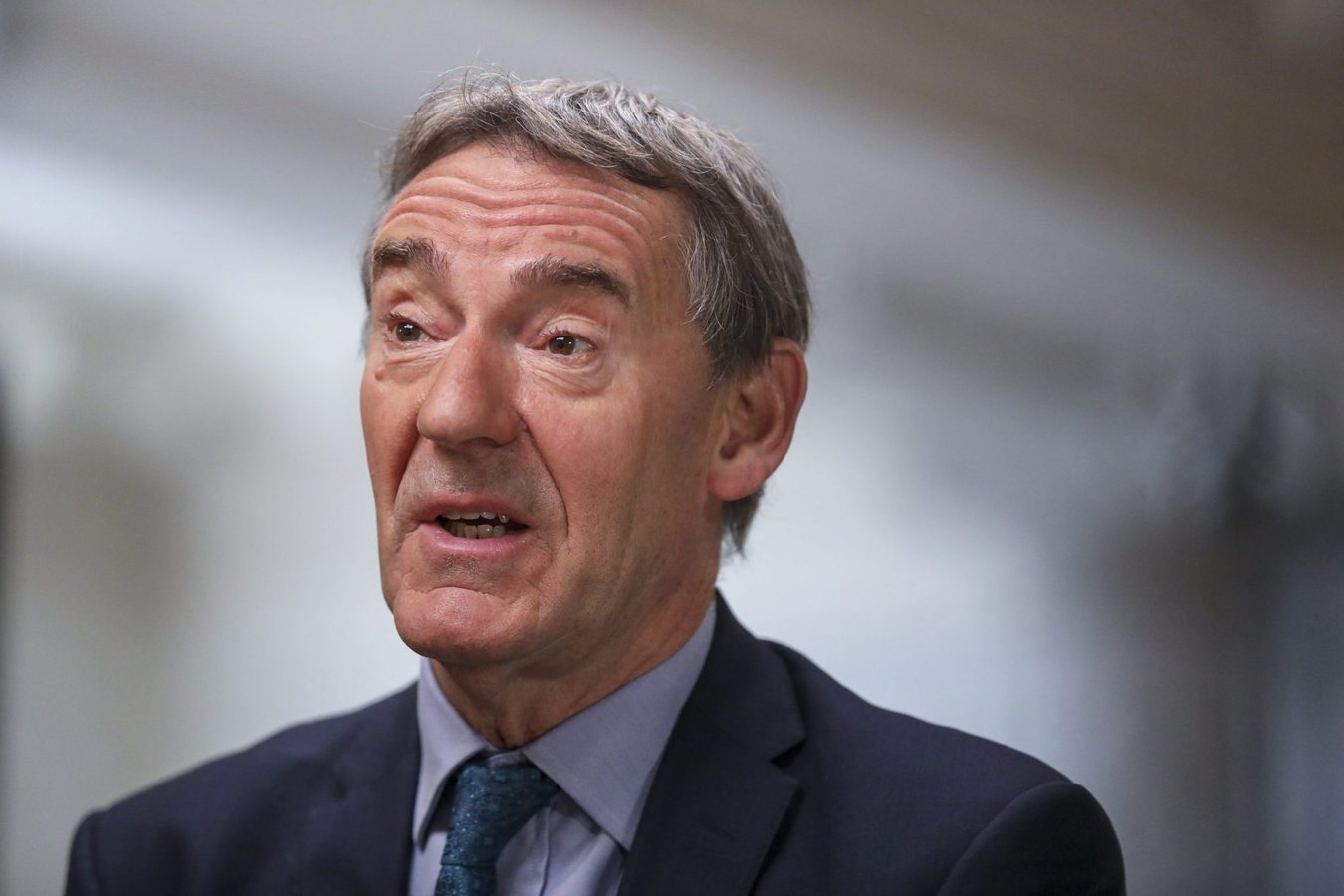
Jim O'Neill, the economist whose 2001 paper coined the BRICs acronym, has accused European governments of complacency and a lingering colonial mindset, warning that the continent is failing to grasp the growth opportunities presented by India and China. Speaking in London at the launch of a new think tank, BRICS+ Thinking, O'Neill said the EU had become «some combination of very lazy, very content, subconsciously still colonial, and unambitious».
His intervention comes 25 years after Goldman Sachs Economics Paper No. 66 identified Brazil, Russia, India and China as the emerging economies set to reshape the global order. O'Neill, who later ran Goldman's asset management division, now argues that the grouping has become «utterly dependent on the ICs», with Brazil and Russia having slipped back to roughly their share of global GDP at the time the acronym was invented.
The growth figures he cites are stark. Research compiled by Fulcrum Asset Management shows cumulative per capita growth since 2000 of 246% for India and 554% for China, against 45% for the United States, 30% for Europe and 29% for the UK. O'Neill describes the present period as «India's moment in the sun because of its demographics», forecasting 15 to 20 years of growth at 7% to 8% a year, and potentially 10% if reform momentum improves.
O'Neill's central complaint is institutional. He argues that the G20 briefly flourished after the financial crisis because it brought China and India to the table, but that Western nations then guarded their privileges rather than reordering global bodies. «The spirit of that kind of world, of policy corporation, just vanished,» he said. He points to France, Italy and Germany each retaining individual seats at the global table, which he says blocks space for others to take more power.
He is equally critical of European trade rhetoric, calling EU governments «so hypocritical about Donald Trump and tariffs» while maintaining protectionist barriers in services within the single market. He also dismisses as evidence-free the American narrative that the US is having «its breakfast, dinner and lunch eaten by China», describing it as a powerful but sad mantra.
On China, O'Neill suggests domestic politics have driven a turn towards nationalism, arguing that parts of the Communist Party leadership feared losing control and prioritised party preservation over freewheeling business activity. He expects global volatility and the rapid growth of China and India to force the West to respond eventually, with centrist thinkers and liberal values re-engaging with the rest of the world.
That, he argues, means accepting that half the world's population does not want to live like the West, rather than assuming convergence or attempting to impose it. Gavyn Davies, former chief economist of Goldman Sachs global research, has described the original BRICs paper as among the most influential ever produced by an investment bank economics department. For O'Neill, the absence of China and India from the G7 a quarter of a century later reflects a stubborn reverence for 20th-century institutions that is now overdue for an upgrade.
7