Economy 4 min read By Bethany Hadley
IMF says Bank of Japan may need faster rate rises if inflation overshoots
The International Monetary Fund has signalled that the Bank of Japan could be required to tighten monetary policy more quickly than planned should inflation run above forecasts, adding pressure on Tokyo to clarify its exit path from years of ultra-loose policy.
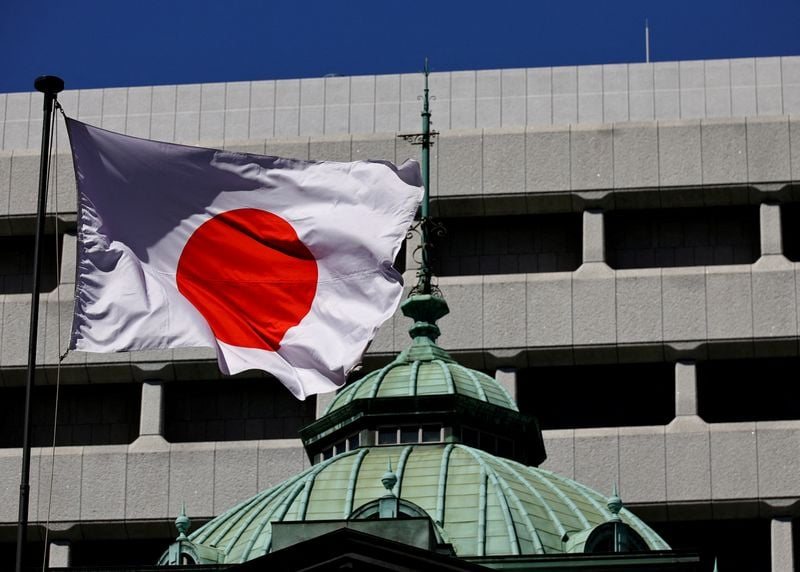
The International Monetary Fund has warned that the Bank of Japan may need to raise interest rates faster than currently planned if inflation proves stronger than forecast, sharpening the debate over how quickly Tokyo should unwind its long-standing ultra-loose monetary stance.
The fund's assessment places the timing of the next policy moves under close scrutiny. Japan's central bank has been gradually lifting borrowing costs from negative territory, but has done so cautiously, arguing that domestic price pressures need to become more durable and wage-driven before further tightening can be justified. The IMF's view suggests that a faster-than-expected pick-up in inflation would leave little room for that gradual approach.
For markets, the signal matters because Japanese rates have been anchored near zero for years, encouraging investors to borrow cheaply in yen to fund positions elsewhere. Any acceleration in tightening would ripple through currency markets and global bond yields, and would raise borrowing costs for Japanese households and companies already adjusting to a higher price environment.
The fund's caution also reflects the wider dilemma facing the Bank of Japan. Raising rates too slowly risks allowing inflation to become entrenched and the yen to weaken further, pushing up import costs for energy and food. Moving too quickly risks choking off a fragile recovery and unsettling lenders and businesses that have grown accustomed to near-free credit.
Policymakers in Tokyo have repeatedly stressed that decisions will be data-dependent, with wage negotiations and service-sector prices watched closely as evidence that inflation is broadening beyond temporary supply shocks. The IMF's intervention adds weight to the argument that the central bank should keep its options open rather than commit to a fixed timetable.
The fund has previously urged Japan to allow greater flexibility in its yield curve settings and to prepare markets for a normalisation of policy. Its latest message reinforces that advice, suggesting the pace of tightening should be calibrated to incoming inflation data rather than to a pre-set schedule.
For British investors and businesses with exposure to Japan, the implications are twofold. A faster tightening cycle would strengthen the yen and could reverse some of the carry-trade flows that have supported risk assets globally. It would also signal that the era of cheap Japanese funding, which has underpinned cross-border investment for more than a decade, is drawing to a close.
The Bank of Japan's next policy meetings will be watched for any shift in language on the inflation outlook. The IMF's assessment does not prescribe a specific rate path, but it does make clear that the central bank's room for patience is narrower than its current guidance implies. How Tokyo balances that constraint against the risk of derailing recovery will shape Japanese monetary policy well into next year.
6