Economy 4 min read By Bethany Hadley
Fed’s Collins says US rates need to rise soon unless inflation keeps falling
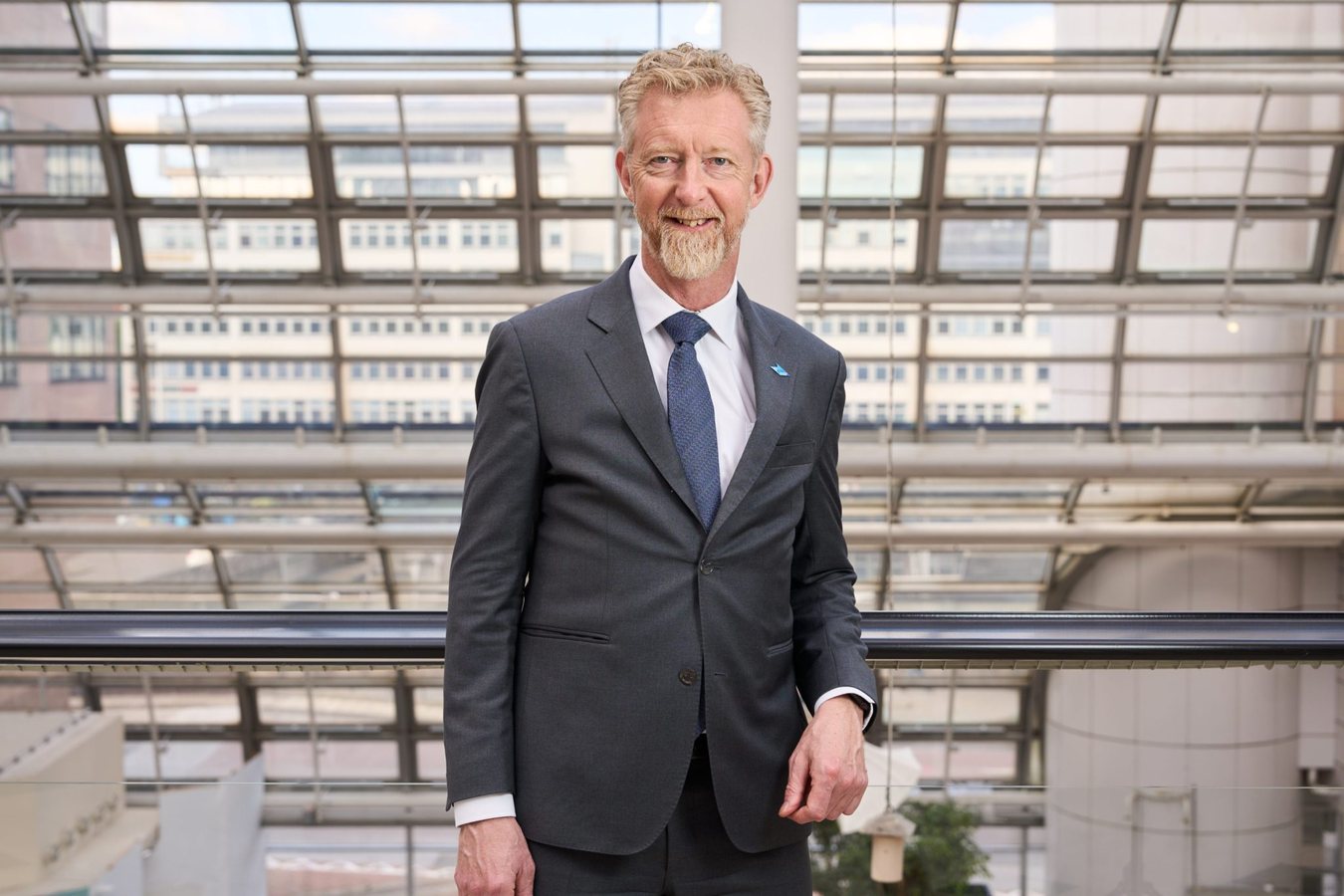
Federal Reserve Bank of Boston President Susan Collins said US interest rates need to rise soon unless there is evidence that inflation is continuing to decline, signalling a hawkish shift in monetary policy.
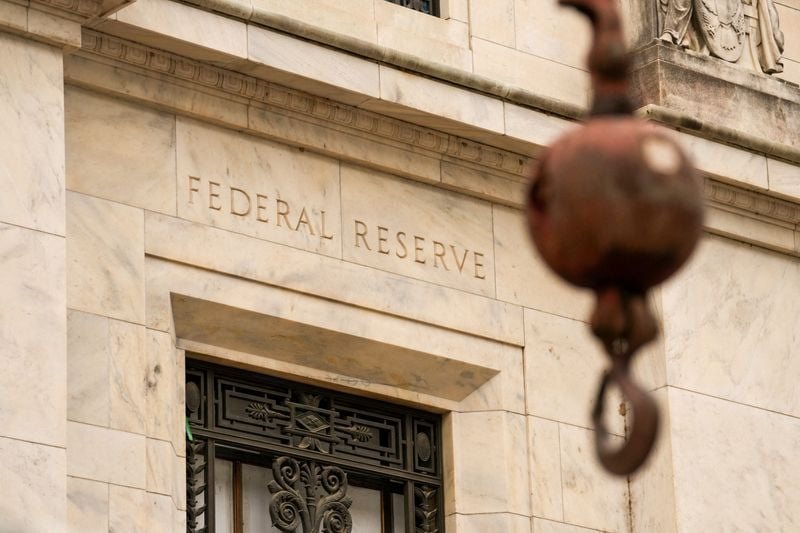
The Federal Reserve will need to raise interest rates soon unless there is clear evidence that inflation is continuing to fall, according to Susan Collins, President of the Federal Reserve Bank of Boston. Her remarks signal that the central bank is prepared to tighten monetary policy further if price pressures do not ease decisively.
Speaking about the outlook for the US economy, Collins said that the current level of rates is not sufficiently restrictive to guarantee that inflation returns to the Fed’s 2% target. She stressed that the pace of future rate increases will depend on incoming data, particularly monthly inflation readings and labour market conditions. The comments add to a growing debate among policymakers about whether the Fed has done enough to cool the economy or whether another move is required.
Collins’s warning comes at a time when the US economy is showing resilience despite elevated borrowing costs. Consumer spending has remained relatively firm, and the labour market continues to add jobs, although wage growth has moderated. At the same time, inflation has proven stickier than many economists expected, with core price measures still running above the central bank’s comfort zone. The Boston Fed chief suggested that waiting too long to act could allow price expectations to become entrenched, making it harder to bring inflation under control later.
The remarks are among the most direct from a senior Fed official in recent weeks and may influence market expectations for the next policy meeting. Investors have been divided over whether the Fed will hold rates steady or deliver another increase, with futures markets pricing in a significant chance of a move before the end of the year. Collins did not specify the size or timing of a potential rise, but her language pointed to a bias toward action rather than patience.
Other Fed officials have struck a more cautious tone, arguing that the full effects of previous rate hikes are still working through the economy. However, Collins’s stance reflects concern among some policymakers that inflation is not declining quickly enough to justify a prolonged pause. The central bank has raised rates sharply over the past two years, pushing borrowing costs to their highest level in decades, but price growth remains above target in several key sectors, including housing and services.
For businesses and households, the prospect of further rate increases means continued pressure on mortgage rates, credit card borrowing, and corporate financing costs. Smaller firms, in particular, have felt the strain of expensive credit, and any additional tightening could slow investment and hiring. On the other hand, if the Fed fails to act and inflation reaccelerates, the eventual cost of bringing it down could be even higher in terms of lost output and employment.
Collins’s comments also carry political significance, as the Fed navigates criticism from both sides of the aisle. Some lawmakers have urged the central bank to ease policy to support growth, while others insist it must stay the course on fighting inflation. The Boston Fed chief’s remarks suggest that the institution remains focused on its price stability mandate, even as the economic outlook becomes more uncertain.
The next inflation report will be closely watched for signs that price pressures are moderating. If the data show a clear downward trend, the case for another rate rise weakens. If not, Collins’s warning may prove prescient, and the Fed could move sooner rather than later to tighten policy further.
54