Economy 4 min read By Callum Montgomery
European Stocks Fall as French Political Turmoil Weighs on Markets
European equities opened the week lower as political instability and civil unrest in France prompted investors to retreat from risk, with Paris among the weakest major markets.
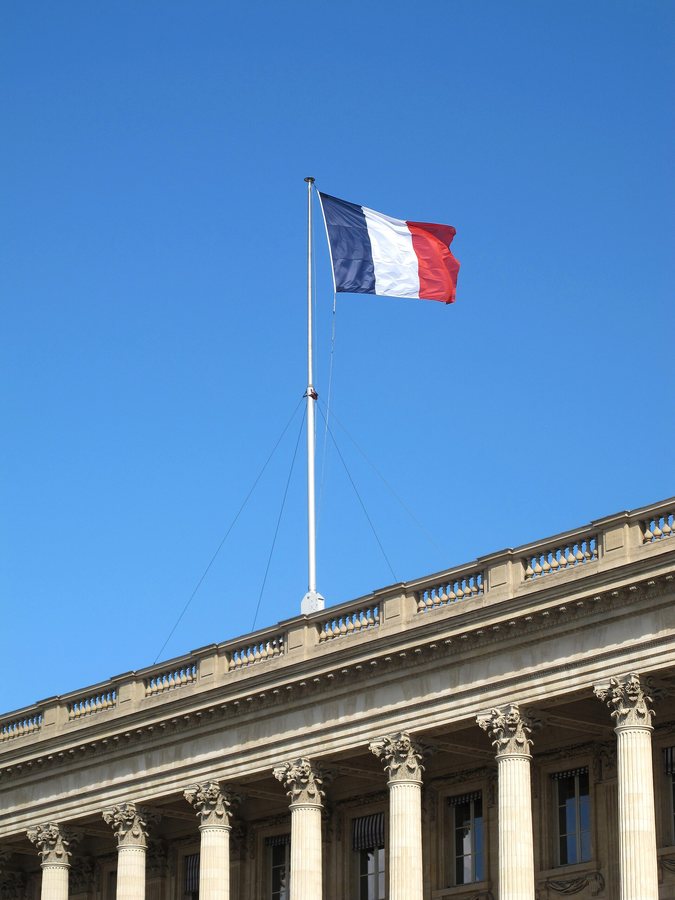
European stock markets started the week on a weak footing as political turmoil and civil unrest in France drove investors away from riskier assets, with French equities among the hardest hit in the region.
The sell-off reflects mounting concern among investors about the stability of the French political landscape and its potential consequences for economic policy, corporate confidence and consumer demand in the eurozone's second-largest economy. Trading desks across the continent reported a broadly defensive tone, with cyclical sectors most exposed to domestic French activity coming under pressure.
France has been gripped by a period of heightened political tension and public disorder, unsettling markets that had otherwise been focused on interest rate expectations and the outlook for corporate earnings. The unrest has raised questions about the durability of the government's reform agenda at a time when Paris is already under scrutiny from Brussels over its budget position.
The weakness in French stocks rippled across European indices, with investors trimming exposure to the region rather than rotating into other markets. The move underscores how quickly political risk can reassert itself as a driver of asset prices, particularly in an economy as central to the euro area as France.
Analysts noted that political uncertainty tends to widen risk premia on French government debt and weigh on the valuation of domestically focused companies, from retailers and banks to transport and hospitality groups. The unrest also threatens to disrupt economic activity in the near term, adding to the case for caution among investors already wary of a slowing growth outlook.
The market reaction comes against a fragile backdrop for European equities, which have been sensitive to shifts in monetary policy expectations and to political developments across the continent. France's difficulties add a further layer of uncertainty at a time when investors are looking for clarity on inflation, interest rates and the trajectory of the eurozone economy.
For British investors and companies with exposure to France, the turmoil is a reminder of the interconnectedness of European markets. London-listed groups with significant French operations, as well as funds with continental allocations, will be watching developments closely as they assess the potential impact on earnings and demand.
The broader question for markets is whether the unrest remains a short-term shock or develops into a more sustained drag on French economic activity and political stability. Much will depend on how quickly authorities can restore calm and whether the political class can project a credible path forward on policy.
For now, the mood across European trading floors is one of caution. Investors are likely to demand a clearer picture of the political situation in Paris before rebuilding positions in French assets, and the coming days will be closely watched for signs of either escalation or de-escalation.
The episode also highlights the extent to which political risk has returned as a factor in European markets, after a period in which monetary policy dominated the agenda. With growth subdued and fiscal constraints tightening across the bloc, investors are likely to remain sensitive to any sign that political instability could undermine the region's fragile economic recovery.
7