Economy 4 min read By Arthur Ellington
Burnham warned of tough fiscal trade-offs as think tank rules out extra borrowing
The National Institute of Economic and Social Research has warned Prime Minister Andy Burnham that his government has no room to increase borrowing to fund spending pledges, meaning he will face difficult choices between raising taxes and cutting spending amid persistent inflation and the economic impact of the Iran war.
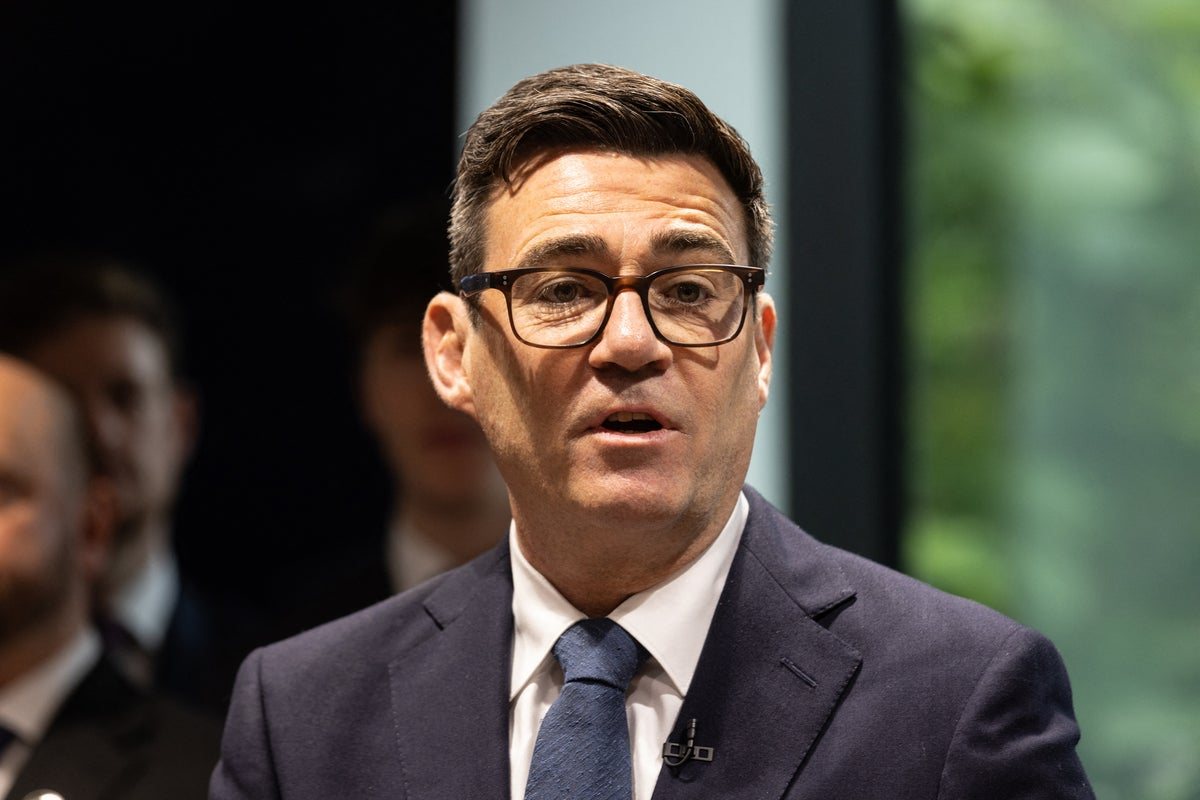
Prime Minister Andy Burnham has been warned by a leading economic think tank that his government faces «very difficult trade-offs» in the coming autumn budget, with no capacity to increase borrowing to fund his spending commitments. The National Institute of Economic and Social Research (NIESR) said that persistent inflation, exacerbated by the Iran war and rising oil prices, combined with weak growth, had left the public finances severely constrained. The think tank argued that the new administration must either raise taxes or cut spending to avoid further deterioration of the fiscal position.
In its latest assessment, the NIESR painted a bleak picture of the UK economy, warning that inflation would remain higher than expected for longer, growth would plummet, and there would be a massive squeeze on public spending. The institute said the government inherited a «challenging inheritance» and that its plans to revamp public services would come under severe pressure. «There is no scope for the government to borrow more to support households and businesses,» the report stated, highlighting the limited fiscal headroom available to the chancellor.
The warning comes as oil prices continue to climb due to the conflict in Iran, adding to inflationary pressures that have already eroded household purchasing power. The NIESR noted that if the Iran war keeps oil prices and inflation elevated, the government will face very difficult trade-offs in the autumn budget. The think tank also pointed to higher interest rates as a drag on economic activity, further complicating the fiscal outlook.
Andy Burnham's pledges, which include significant new investment in public services such as the NHS, education, and infrastructure, as well as support for households struggling with high energy bills, now appear at risk unless the government is prepared to raise taxes or make cuts elsewhere. The NIESR's analysis suggests that both options are politically difficult but economically necessary given the constraints on public finances. The think tank emphasised that a credible medium-term fiscal plan was essential to restore market confidence and keep borrowing costs under control.
The NIESR also revised down its growth forecasts, predicting that the economy would perform worse than previously expected. The combination of higher interest rates, persistent inflation, global uncertainty from the Iran conflict, and weak productivity has left the UK in a precarious position. The report noted that the government's room for manoeuvre was extremely limited, with any new spending requiring an equivalent saving or tax increase to avoid a rise in public debt.
The warning will increase pressure on Burnham ahead of his first budget, expected later this year. He has promised to fix the country's public services after years of underinvestment and austerity, but now faces the reality of limited fiscal headroom. The NIESR's report underscores the trade-offs he will have to make, with no easy options available. The government is expected to respond by outlining its fiscal strategy in the coming weeks, with ministers already signalling that difficult decisions lie ahead.
The think tank's analysis adds to a growing chorus of warnings from economists and business groups about the state of the UK's public finances. The cost-of-living crisis, which has seen energy and food prices surge, shows no signs of easing quickly, and the government's ability to provide further support is constrained by the same fiscal limits. The NIESR called for a focus on boosting productivity and long-term growth as the only sustainable way to improve living standards without resorting to higher borrowing or taxes.
79