Economy 5 min read By Arthur Ellington
Britain spent its North Sea oil windfall while Norway built the world's largest wealth fund
Norway and Britain both struck North Sea oil in the 1970s. Norway saved the proceeds into a sovereign wealth fund; Britain spent them. The contrast has shaped both countries' public finances for more than four decades.
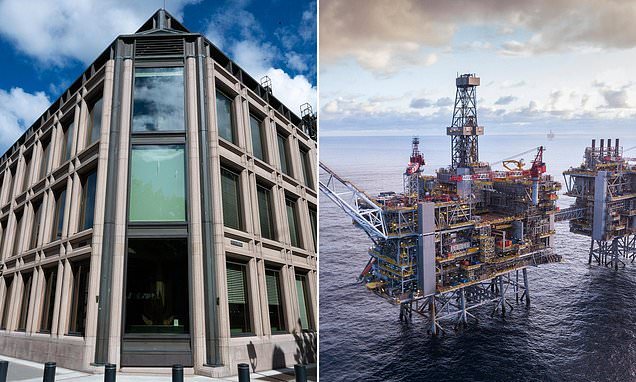
The discovery of oil and gas beneath the North Sea in the late 1960s promised to transform Britain's economic prospects. Within a decade, crude was flowing from the British sector in commercial quantities, filling the Treasury with revenues on a scale the country had never known. Yet the windfall that should have provided a permanent cushion for future generations was largely spent as it arrived, and Britain now has little to show for one of the largest transfers of natural wealth in its modern history.
Norway, which tapped into the same geological inheritance at almost exactly the same time, chose a different path. Instead of using petroleum income for tax cuts and higher day-to-day public spending, Norwegian politicians directed the money into a dedicated fund designed to outlast the oil itself. That decision created the Government Pension Fund Global, now the largest sovereign wealth fund in the world, with a portfolio so large that it holds assets in companies and property across the globe.
The comparison has become one of the most familiar accusations in British political debate. North Sea oil revenues in the 1980s helped Britain through a period of high unemployment and industrial restructuring, easing the pressure on the public finances at a difficult time. But no equivalent of Norway's oil fund was established. The money was folded into the ordinary budget and used on the running costs of the state, financing spending today rather than securing an income for tomorrow.
Norway's model was built on discipline and patience. The fund was created in 1990 as a buffer against swings in the oil price, and money from petroleum sales flowed into it steadily over the following decades. It invests abroad in stocks, bonds and real estate, partly to prevent the domestic economy from overheating and partly so that future generations inherit the wealth. Governments of different political colours in Norway have broadly maintained the same approach, spending only a small share of the fund's annual returns.
The results of the two strategies are difficult to compare without embarrassment for Britain. While the UK has run persistent budget deficits and accumulated one of the highest national debts among advanced economies, Norway sits on a financial reserve worth well over a trillion pounds. The fund has become such an ordinary part of Norwegian life that it is often described simply as the country's savings account, yet its market value now exceeds the annual economic output of many leading nations.
The contrast has become sharper as the British sector matures. North Sea production in UK waters has fallen far below its peak in the late 1990s, and the industry now faces the heavy costs of decommissioning old platforms, a liability shared by taxpayers as well as operators. Norway, too, must manage the decline of mature fields, but the wealth accumulated over four decades gives it a far stronger buffer. At a time when the British government is borrowing to cover the gap between tax receipts and public spending, Norway can draw on dividends and interest from investments spread across the world.
The debate over what Britain should have done has never really died. Critics argue that the country missed a once-in-a-century chance to build a lasting national endowment, leaving public finances more exposed to shocks and successive generations poorer than they might have been. Defenders of the old approach point to the pressure the British state faced in the 1980s and 1990s, and argue that oil money helped maintain public services through difficult transitions.
What is beyond dispute is that two countries endowed with the same resource, at the same moment, made opposed choices. Norway treated its oil as a national inheritance to be preserved; Britain treated it as income to be enjoyed. The consequences stretch far beyond the ledgers of the two states. They are visible in the strength of public finances, the options available to future governments and the degree of economic security passed on to the next generation.