Culture 4 min read By Alice Ashford
Elizabeth Holmes documentary becomes second-biggest documentary opening ever
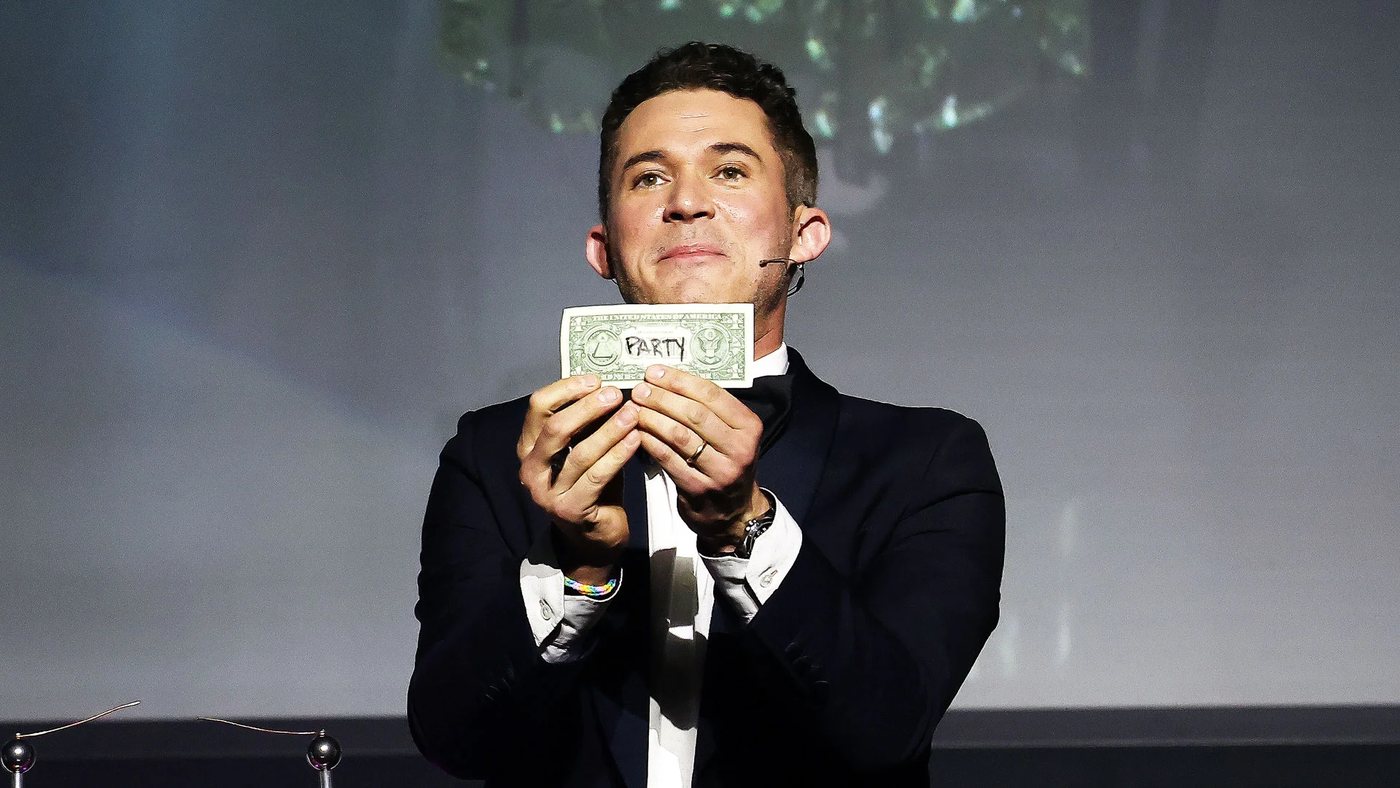
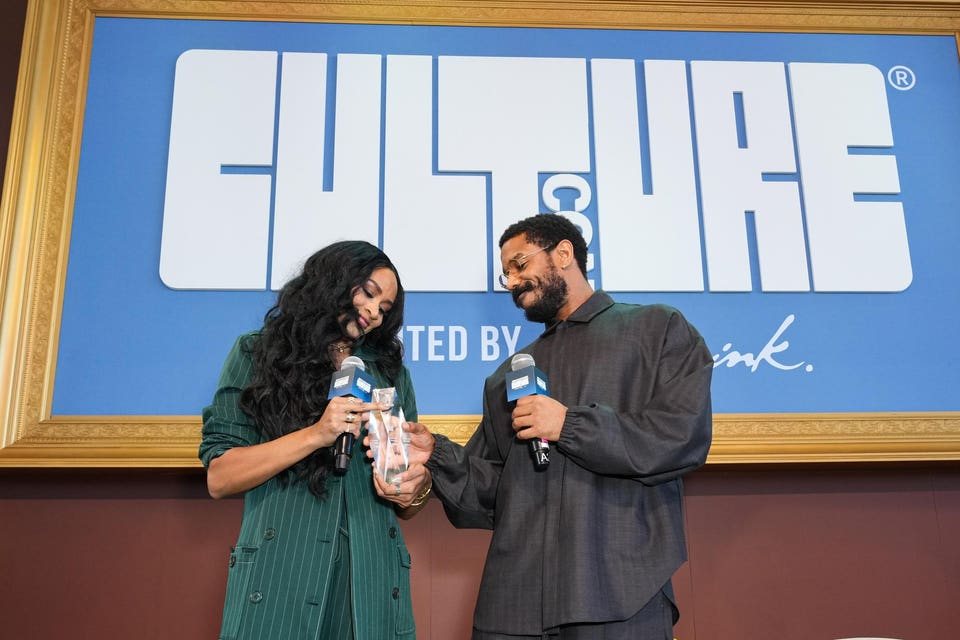
A24's «You Can See Everything», Nathan Fielder and Lance Oppenheim's film about the Theranos founder, took an estimated $15m in its opening weekend across 855 theatres in the US and Canada, trailing only Michael Moore's «Fahrenheit 9/11» among documentary debuts.
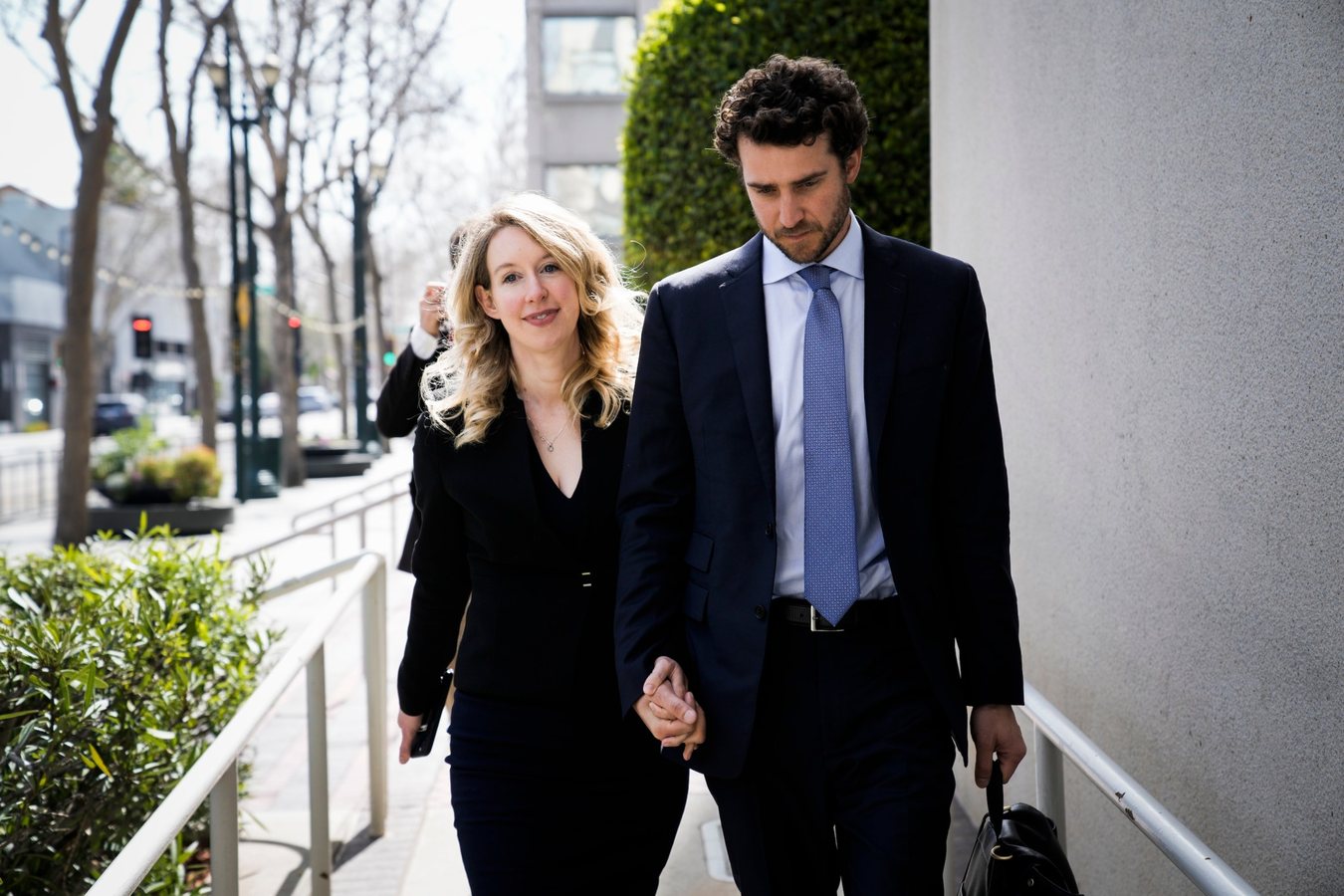
A documentary about Elizabeth Holmes has delivered one of the strongest theatrical openings ever recorded for non-fiction film, with A24 estimating that «You Can See Everything» took about $15m across the United States and Canada in its first weekend.
The Nathan Fielder and Lance Oppenheim film played in just 855 theatres, giving it an average of roughly $17,544 per site. That places it second only to Michael Moore's «Fahrenheit 9/11», which opened to $23.9m on 868 screens in 2004, in the all-time rankings for documentary debuts.
The result far outstripped industry expectations. A24 said more than 2,000 screenings sold out over the weekend, and the opening was roughly double the $7m to $8m range that had been projected before release. The film finished second at the weekend box office behind Paramount and Legendary's «Street Fighter», which took $31m but did so across 3,575 theatres, averaging $8,671 per location — less than half the per-theatre figure achieved by the Holmes film.
It also comfortably beat the weekend's other new wide releases, nearly doubling 20th Century Studios' «Whalefall» at $8m and more than doubling Focus Features' «Sense and Sensibility» at $7.25m. The documentary outpaced a string of narrative studio titles including «Other Mommy», «Verity», «Resident Evil», «Heart of the Beast», «Forgotten Island», «The Social Reckoning» and A24's own «Primetime».
The contrast with big-budget studio fare was stark. Warner Bros.' «Digger», the Tom Cruise-led dark comedy directed by Alejandro G. Iñárritu, opened to $8m earlier in the month and managed just $920,000 in its third weekend, finishing 15th — 13 places behind the documentary. «Digger» was green-lit at a reported $125m, with production costs said to have climbed to between $160m and $180m, and has been projected to lose around $245m over its theatrical run. «You Can See Everything», by contrast, carried a combined production and marketing budget reported at under $20m.
The film has also more than doubled the opening of Amazon MGM Studios' «Melania», which debuted to about $7m across 1,778 theatres in late January after the studio spent $40m on rights and roughly $35m on marketing.
Such figures remain rare. Documentaries seldom secure theatrical distribution, and when they do, releases tend to be limited and overshadowed by narrative films. «Fahrenheit 9/11» went on to gross $119.2m domestically, still the record for the form, while «March of the Penguins» opened on four screens in 2005 before expanding to $77.4m and «Michael Jackson's This Is It» took $72m in 2009.
The Holmes film has built unusual momentum since its surprise premiere at the Telluride Film Festival on 6 September. Critics have praised its audacity and distinctiveness, though some have questioned how far it gets at the real Theranos story. Its marketing has leaned on the dynamic between Holmes — the Theranos founder serving more than 11 years in federal prison for fraud — and Fielder, a comedian whose work blurs performance and reality. Talk of surprises and spoilers, unusual for a documentary, spread widely before release.
The film now holds a 99% score on Rotten Tomatoes, and its 4.8 average on Letterboxd is the highest recorded on the platform, according to Boxoffice Pro. Awards watchers are debating whether it could become the first documentary nominated for Best Picture at the Academy Awards.
Not all attention has been admiring. Theranos whistleblower Tyler Shultz has alleged that Holmes «completely misled» Fielder about the company's technology in a scene in the film, adding a further layer of dispute to a project already defined by arguments over how the Theranos story should be told.
7