
Business 5 min read By Callum Montgomery
Wamani Packages Geopolitical Risk as Private Infrastructure
Six entrepreneurs have spent almost $10 million on an Argentine ranch where land, solar power, aviation, food plans and offline AI are being assembled as a resilience asset.
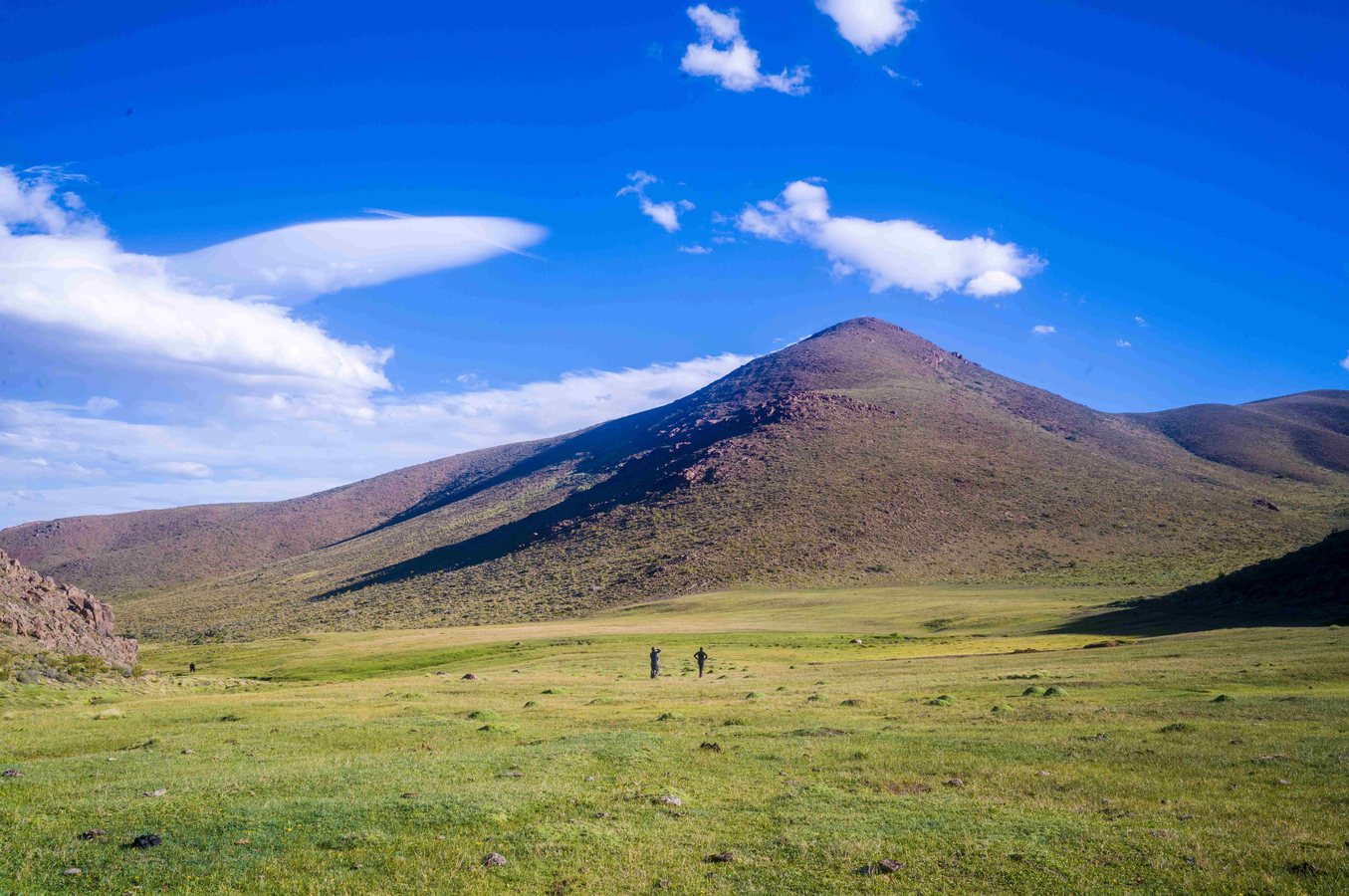
Wamani is difficult to classify using ordinary real-estate language. It is a 32,000-hectare ranch in Mendoza, a tourism business in development and a private contingency asset designed for a world in which the systems around it may fail. For investors and companies watching the growth of resilience spending, that combination is more interesting than the viral description of an “apocalypse ark.”
The project is led by Argentine-Spanish technology entrepreneur Martín Varsavsky, who owns half of the property. Five co-investors share the remainder. The Financial Times identifies OLX co-founder and Argentine ambassador to Washington Alec Oxenford and Kind founder Dan Lubetzky among the group.
The owners have spent almost $10 million, according to Varsavsky. That wording matters because online posts have repeatedly described the expenditure as more than $10 million. The project is continuing to expand, so future capital spending may exceed that figure, but the reported amount to date is lower.
Wamani’s investment case is built around redundancy. The estate has homes, geodesic domes, solar generation and an airstrip. Starlink provides basic connectivity. The owners plan to introduce cattle and have discussed acquiring additional neighboring land for crops. They are also studying whether large language models can be hosted locally on solar-powered computers so that some digital services remain available if global servers are inaccessible.
That last element is less fantastical than it sounds. A locally stored model cannot reproduce the live internet, but it can preserve access to a body of preloaded knowledge and computing capability. In corporate terms, Wamani is treating AI inference and information retrieval as another service that may require a disaster-recovery layer, just as firms once duplicated servers and backup tapes.
The property also has a route toward cash flow in ordinary conditions. Its official website advertises accommodation, meals, mountain activities, vehicle excursions and private-flight coordination. Visitors can inquire about availability. The Financial Times says the owners are considering Airbnb as part of an effort to make the project more financially self-sustaining. That public tourism model directly undercuts the claim that entry is available only through personal connections.
The “billionaires” label is also imprecise. Lubetzky is a billionaire; Varsavsky’s fortune is estimated by the Financial Times at roughly $700 million. The better business description is a consortium of wealthy technology entrepreneurs with the ability to hold an illiquid, capital-intensive asset whose central payoff may never occur.
Political risk is part of the thesis. Varsavsky bought the land after Javier Milei’s election and has supported the president’s economic direction. He has pitched a “tranquility visa” concept for wealthy foreigners who want a fallback option in Argentina during a major war. The government is separately developing a citizenship-by-investment program. For Wamani, this creates a broader narrative in which Argentina’s geographic distance from many major conflict theatres can be treated as an economic attribute.
The risks are not abstract. Mendoza is arid, and the Financial Times notes that strong Andean winds periodically make the open plain difficult to use. Water, agriculture, maintenance and staffing remain operating challenges. An airstrip and solar panels do not eliminate dependence; they merely shift it into assets that owners have more direct control over.
That is what makes Wamani relevant beyond curiosity value. It represents a premium form of resilience spending in which redundancy itself becomes the product. If tourism and agriculture can offset costs, the ranch could function as a productive asset while preserving its contingency value. If they cannot, it remains a costly hedge against extreme events. Either way, Wamani suggests that geopolitical risk is starting to influence not only portfolios and supply chains, but the physical infrastructure wealthy investors choose to own.
57