Business 5 min read By Alice Ashford
Walmart to use $2.9 billion tariff refunds to cut prices as shoppers feel strain
Walmart has received nearly $2.9 billion in tariff refunds after the Supreme Court struck down the Trump administration's emergency tariff powers. The retail giant will reinvest the windfall into lowering prices, particularly on groceries, as customers face pressure from high gas prices and inflation.
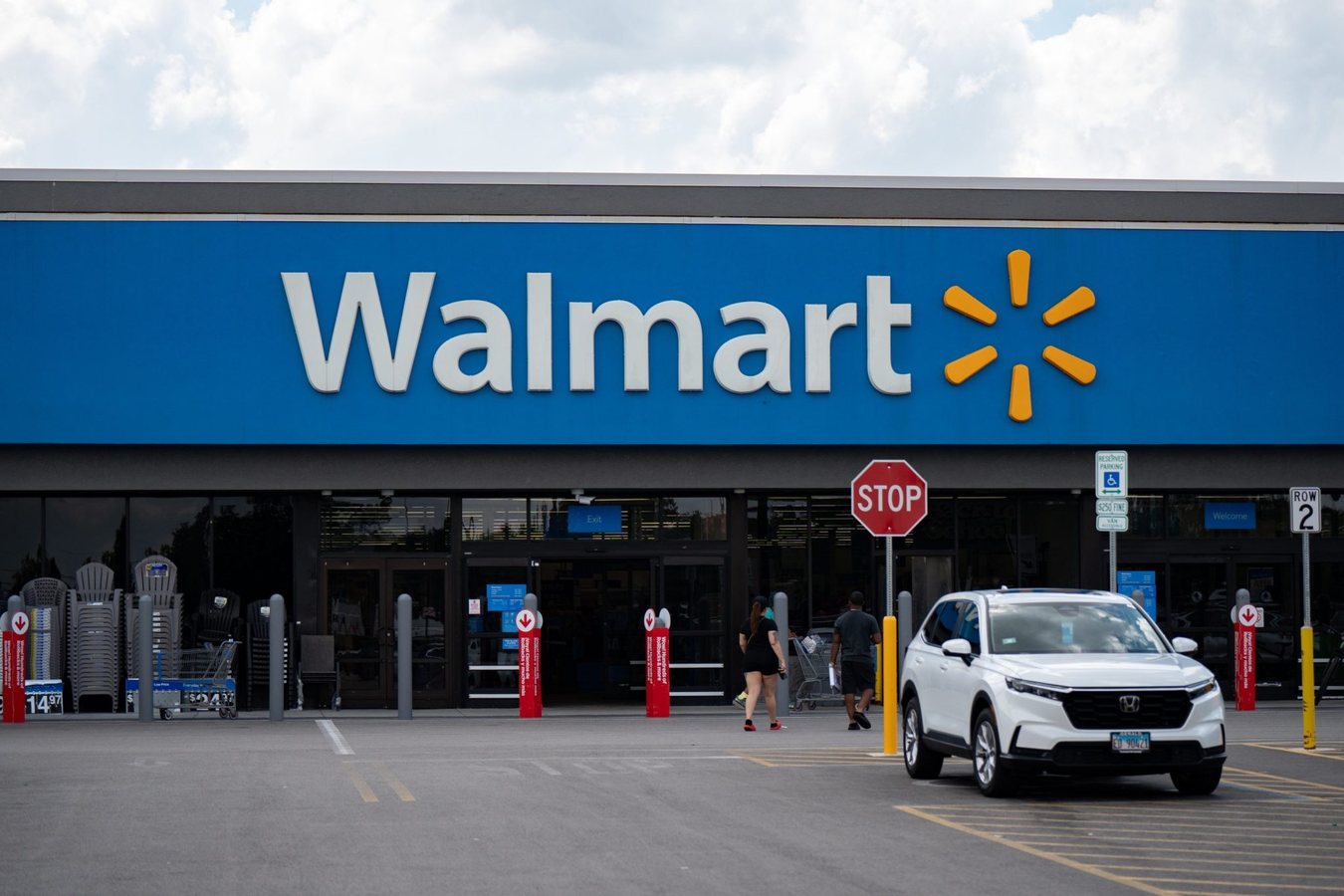
Walmart is channelling nearly $2.9 billion in tariff refunds into price cuts, responding to mounting financial strain on its customers. The retail giant received the money after the Supreme Court ruled that the so-called Liberation Day tariffs were unlawfully imposed under emergency powers. Chief Financial Officer John David Rainey confirmed on an earnings call that the company has received “substantially all” of the funds and will reinvest them into lowering prices “because customers need us to.”
The decision marks a shift after months of warnings from Walmart that the tariffs would push up shelf prices. The company had previously passed on tariff-related costs to consumers, with prices for electronics and appliances rising more than 3 per cent, up from 1.7 per cent before the tariffs were introduced. Now, with the refunds in hand, Walmart is prioritising investment in grocery and general merchandise categories, according to Rainey.
The retailer has expanded its “rollback” programme, its term for temporary price reductions, to more than 11,000 items, up from roughly 7,200 at the end of the previous quarter. Chief Executive John Furner said that was the highest number he could remember “at least in recent times.” The discounts include ground beef, where Furner said higher prices were hurting customers. “Ultimately, we’re trying to reinforce the everyday low-price model and save customers money,” he said.
The move comes as Walmart reported its slowest U.S. sales growth in six years. U.S. comparable sales rose 2.6 per cent in the latest quarter, below analysts’ expectations of 3.8 per cent, marking the retailer’s first miss in more than five years. Customer traffic grew 1.5 per cent, down from 3 per cent the previous quarter. Shares initially fell as much as 9 per cent in Thursday trading before recovering.
Executives have repeatedly pointed to gas prices as a key pressure point. Rainey said the strain became more noticeable in June as petrol rose above $4 a gallon, prompting shoppers to make more tradeoffs in what they bought. The company now expects more than $2 billion in additional fuel-related costs this year compared with its original forecast. In May, Rainey noted that customers filled their tanks with fewer than 10 gallons on average for the first time since 2022, calling it an “indicator of stress.”
The broader economic picture supports Walmart’s concerns. Researchers at the Dallas Federal Reserve estimated that core inflation would have been 0.8 percentage points lower in March if the tariffs had not been imposed. Separate research from the Kiel Institute found that American consumers bore 96 per cent of the costs of the tariffs. These findings underscore how the trade measures, combined with inflation, squeezed household budgets.
Walmart has also observed a divergence in its customer base, a pattern executives describe as a K-shaped economy. The biggest gains in market share have come from households earning over $100,000, while lower-income shoppers have been pushed out or reduced their spending. This dynamic has added pressure on the retailer to maintain its reputation for everyday low prices.
Despite the challenges, Walmart raised its full-year sales outlook to growth of 4 per cent to 5 per cent, up from a previous range of 3.5 per cent to 4.5 per cent. The company cited first-half performance and expectations that its price investments will drive stronger sales and market-share gains. Global e-commerce sales rose 23 per cent, while sales in core categories outside health and wellness remained in the 3 per cent to 4 per cent range.
The decision to reinvest the refunds rather than bank the windfall reflects a strategic bet that price leadership will pay off in customer loyalty and volume. With more than 11,000 items on rollback and a focus on essential categories, Walmart is signalling that it intends to be the destination for value-conscious shoppers in an uncertain economic climate.
61