

Business 5 min read By Callum Montgomery
Ust-Luga wage strike exposes contractor risk in a China-Russia megaproject
CC7, the EPC contractor for the Baltic Chemical Complex, faces protests by Chinese workers alleging up to five months of unpaid wages. The dispute highlights how labour liabilities can migrate through complex subcontracting chains.
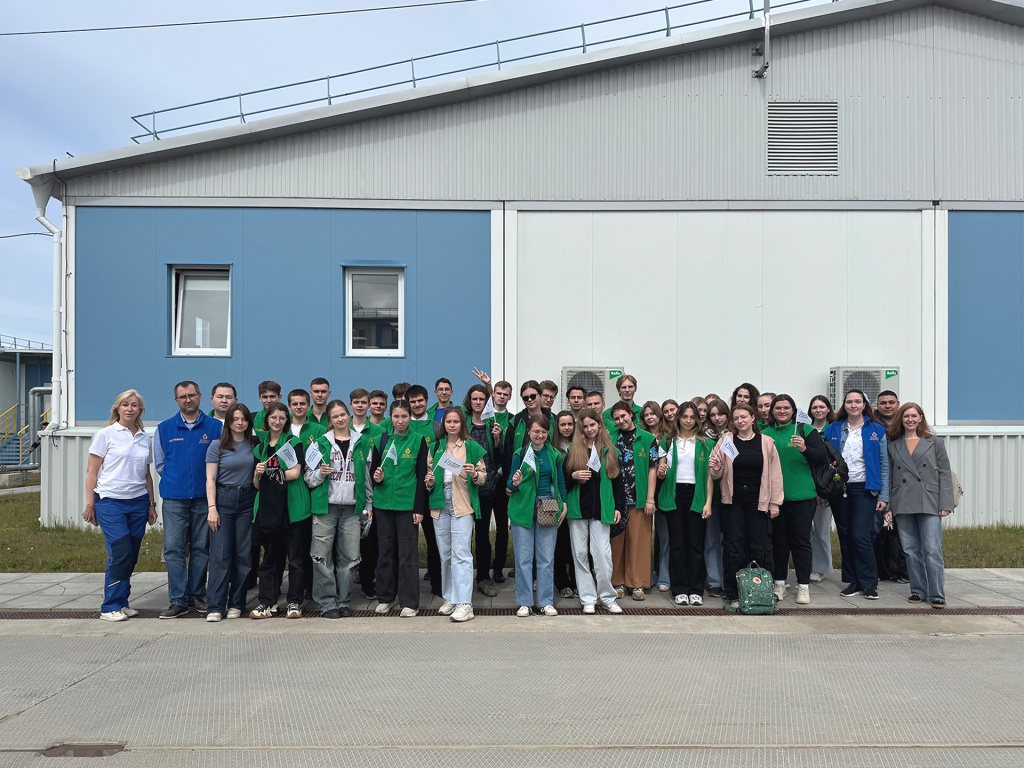
A labour dispute at Russia’s Baltic Chemical Complex has become a case study in contractor risk. Hundreds of Chinese workers have protested over wages they say were withheld for months, placing China National Chemical Engineering & Construction Corporation Seven, or CC7, under scrutiny at one of its most prominent overseas projects.
According to material published by China Labor Watch, the strike began on 26 June 2026. On 30 June, hundreds of workers walked out again and went to CC7’s offices demanding payment. Some said they were owed as much as five months of wages. The workers reportedly used dormitory bedsheets for banners, an improvised response that also underlined their dependence on the worksite’s accommodation system.
The corporate position of CC7 is clear. The Baltic Chemical Complex’s official website identifies it as the EPC contractor for the plant in the Kingisepp district of Leningrad region. The facility is designed to produce up to 3 million tonnes of polyethylene a year and is integrated with the broader gas-processing development around Ust-Luga.
Chinese state authorities have previously advertised the scale of the deal. The State-owned Assets Supervision and Administration Commission described the BCC agreement as one of the largest overseas contracts secured by a Chinese enterprise. That makes the current dispute a governance issue as well as a labour one.
China Labor Watch says the wage complaints fit a wider pattern it documented among Chinese workers in Russia in 2025 and 2026. The organisation cited arrears of three to eight months, passport confiscation, restrictions on workers leaving sites and subcontracting arrangements that blurred responsibility. At BCC, some workers also said they did not possess copies of the labour contracts they had signed.
This is where the commercial mechanics matter. EPC projects routinely rely on tiers of subcontractors and labour providers. That can create cost flexibility, but it can also fragment accountability. When a subcontractor fails to pay, the worker may face one legal employer while the project bears the operational consequences under a more prominent contractor’s name.
A Chinese-language workers’ rights account, “海外家园,” reported in early July that some workers who had booked flights home were still trying to secure wages and passports. It also said police attended one protest linked to unpaid wages and accommodation charges. A later viral version, repeated on Reddit, went further by claiming thousands of workers surrounded police vehicles and freed a colleague. The China Labor Watch account of the 30 June protest confirms hundreds of participants but not that full sequence.
For investors and project managers, the more material issue is the persistence of the wage liability. Unpaid payroll can look like temporary working capital somewhere in the chain, but prolonged arrears create a contingent cost: work stoppages, replacement labour, legal exposure, reduced productivity and reputational damage.
There is also a scheduling risk. Large petrochemical builds depend on tightly sequenced work packages. Labour disruption in one area can delay downstream installation, testing or commissioning. Even where the workers are formally employed by lower-tier entities, the top-level contractor can suffer the schedule impact.
The dispute therefore tests whether CC7’s project controls extend beyond engineering and procurement into labour governance. A resolution requires more than ending a protest on a given day. Workers need wages paid, documents returned where withheld and a clear route to leave or remain on the project voluntarily.
If those issues are resolved promptly, the episode may remain a contained contractor problem. If not, Ust-Luga risks becoming a warning for other overseas projects: a megacontract can be technically sophisticated and still be destabilised by the oldest liability in business — failing to pay the people doing the work.
127