Business 4 min read By Bethany Hadley
Stockland abandons Sydney data centre plans after local opposition
Stockland has reportedly dropped its plans for a data centre in Sydney following community opposition, as local resistance to data-centre projects grows across Australia and the United States.
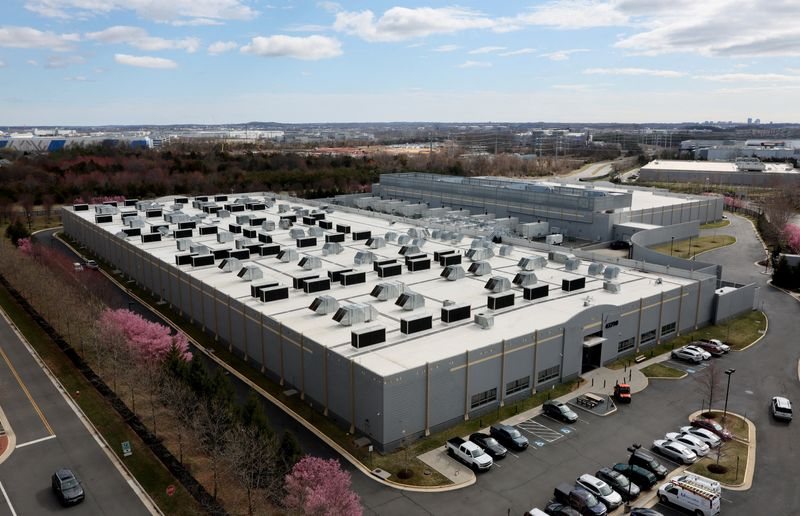
Stockland has reportedly abandoned its plans for a data centre in Sydney after facing opposition from the local community. The reporting available on the decision is limited, and the detail of Stockland's own statement and the specific objections raised could not be independently verified, so the account of the withdrawal rests on the headline reporting alone.
The retreat comes as resistance to data-centre developments is becoming a wider pattern. Data centres, the large facilities that house the servers powering cloud computing and artificial intelligence, have drawn growing complaints from residents over their demands on electricity, water and land, as well as their effect on local character. Developers in several markets have found that projects which once passed with little fuss now meet organised objections.
The same dynamic was visible in the United States at the start of November, when voters in 10 states decided 41 local data-centre measures in the midterm elections held on 3 November. Of those 41 local measures, 40 favoured limiting data-centre development. An NBC exit poll found that 76 per cent of respondents said they would oppose a data centre in their own community, a figure that points to broad public unease rather than opposition confined to a small activist base.
Texas, which holds about one-fifth of the planned data-centre pipeline in the United States, was a focal point. Democrats won broadly across the state in the November elections, including statewide offices. Texas governor-elect Gina Hinojosa pledged to ban new data-centre approvals until the state legislature acts. An August poll by the UT/Texas Politics Project found that Texas voters opposed local data centres by 57 per cent, indicating that the concern cuts across party lines in a state traditionally welcoming to heavy industry.
The political backlash has also reached financial markets. Following the election, about $3.2 trillion of artificial intelligence-related stock value was wiped out, although the scale and durability of the broader political shift remain contested among analysts. Opposition groups tracked by researchers had reached 833 across 49 states by March 2026, a count that illustrates how widely the movement has spread.
Local governments have begun to act. Seattle's city council passed a one-year ban on data centres in June. In the electricity market run by PJM, which covers a large part of the eastern United States, data centres were cited for $6.3 billion of the $16.4 billion in capacity charges in the latest auction, highlighting the cost pressures that residents and regulators associate with the sector. Experts who examined the local opposition concluded it was largely organic rather than driven by foreign interests, suggesting that the objections stem from domestic concerns about power bills, water use and land.
For Stockland, the decision adds to a growing list of reasons developers are reassessing data-centre proposals close to residential areas. Whether the Sydney withdrawal signals a lasting shift in how such projects are approved in Australia will depend on how state planning authorities and communities respond in the months ahead.
Source: investing.com
5