Business 5 min read By Arthur Ellington
Stan Kroenke becomes America's largest private landowner with 2.7 million acres
Stan Kroenke, the billionaire owner of Arsenal and the newly acquired Los Angeles Angels, now holds 2.7 million acres of US land, making him the country's largest private landowner ahead of fellow billionaires John Malone and Ted Turner.
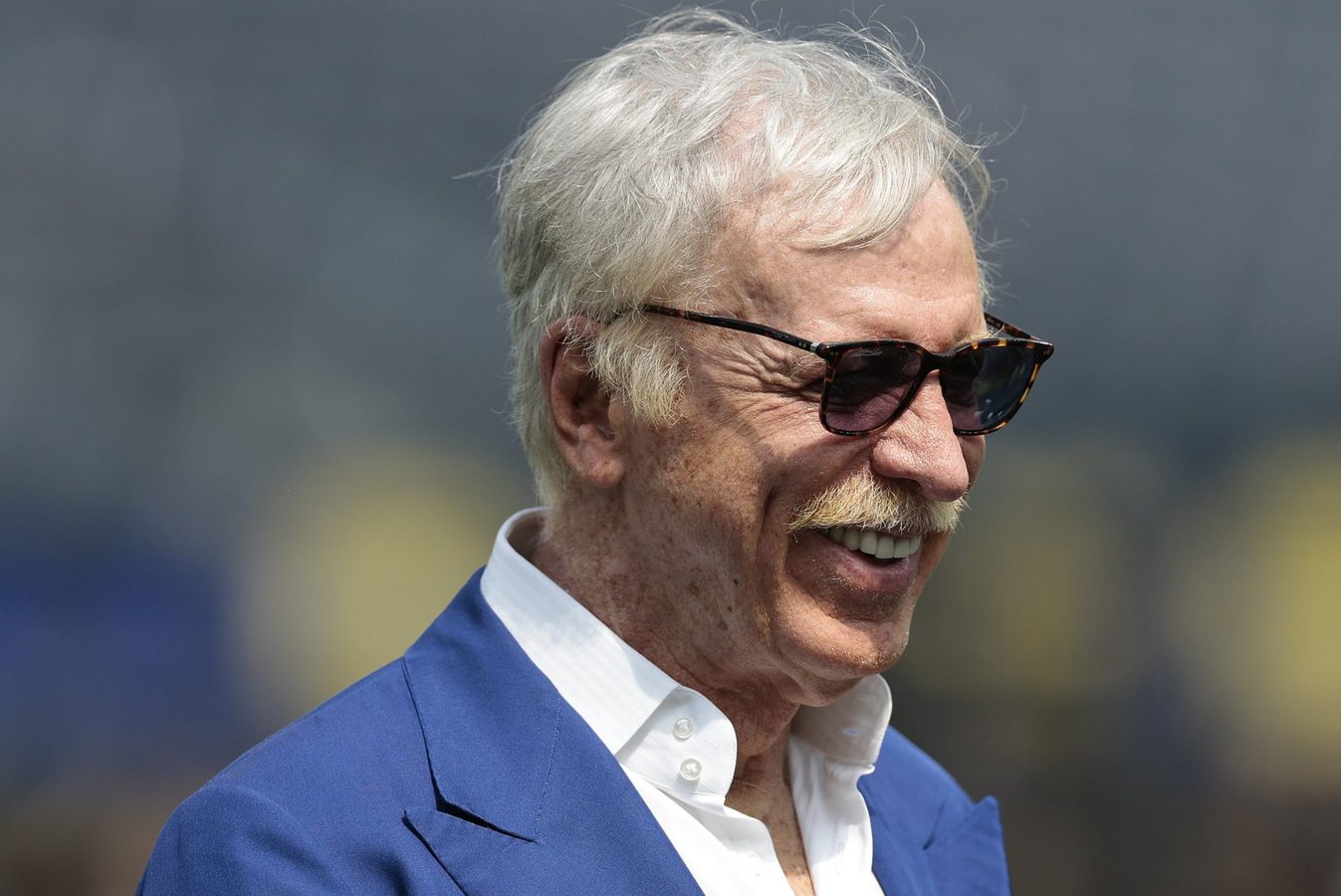
Stan Kroenke, the billionaire owner of Arsenal Football Club and a portfolio of major US sports teams, has added another distinction to his résumé: America's largest private landowner. According to the 2025 Land Report, Kroenke controls 2.7 million acres of land, an area roughly the size of two million football fields and larger than Yosemite National Park. The Colorado-based real-estate magnate, once nicknamed «Silent Stan» for his reluctance to speak to the press, leapfrogged from fourth place to the top of the annual ranking.
The surge in Kroenke's holdings follows his purchase of 937,000 acres of ranchland in December from the Singleton family, the owners of industrial conglomerate Teledyne Technologies. That transaction was the largest land purchase in the United States in more than a decade. Kroenke's rise places him ahead of John Malone, the media mogul known as «the Cable Cowboy», who ranks second, and Ted Turner, who sits in third. The Emmerson family, which runs forest products company Sierra Pacific Industries, owns an estimated 2.4 million acres, much of it timberland. Bill Gates, by comparison, owns 275,000 acres and ranks 44th on the list.
The announcement of Kroenke's landholding status came days after he agreed to buy the Los Angeles Angels from Arte Moreno, who had owned the club since 2003. The transaction is expected to close in the first quarter of 2027, giving Kroenke controlling interest in the Angels, the Los Angeles Rams, the Denver Nuggets, the Colorado Avalanche and Arsenal. «The Angels are a storied franchise anchored in a great market,» Kroenke said in a joint statement. «We look forward to an exciting future with the Angels organization.»
Kroenke's real-estate empire traces its origins to his marriage to Ann Walton Kroenke, an heiress to the Walmart fortune, but his first wealth came from developing shopping centres, many anchored by the big-box retailer. That foundation has since expanded into a sprawling portfolio of farmland, ranchland and timberland, an asset class that has grown increasingly popular among the ultra-wealthy as a hedge against inflation and market volatility.
Farmland has become a $4.3 trillion asset class, according to Steve Bruere, president of agricultural real-estate firm Peoples Company. The value of US farmland averaged about $4,350 per acre in 2025, a 4.3% year-over-year increase, or nearly 2% when adjusted for inflation, according to US Department of Agriculture data. Nearly 40% of US farmland is now owned by landlords who lease their property to farmers and operators. Average rent for US cropland rose to $161 per acre last year, a modest 0.6% increase.
The trend toward farmland investment intensified after the 2008 financial crisis, when wealthy investors sought alternative assets to diversify their portfolios. Farmland is positively correlated with inflation, meaning its value tends to rise as prices increase, and it is largely non-correlated with stock markets. Investors also point to growing populations and rising demand for food and fuel as reasons farmland will continue to appreciate. «Getting your hands on some farmland where the number of arable acres in the world declines every year, that's why a lot of people like it,» Bruere said.
The rise of large-scale land ownership has made it harder for working farmers to compete. Erin Foster West, policy campaigns director for the National Young Farmers Coalition, said many farmers cannot afford to buy the land they work, leaving renting as their only option. Analysts note that farming has never fully recovered from the invention of flash-frozen foods in the 1920s, which reshaped the labour force and reduced agriculture's share of the economy. For beginning farmers trying to acquire their first plot, outbidding billionaires like Kroenke remains a formidable challenge.
92