Business 3 min read By Alice Ashford
SpaceX posts first operating profit as AI revenue nearly triples to $7.6bn
SpaceX reported its first operating profit as a public company, with third-quarter revenue up 161% to $14.6bn and its renamed Super Intelligence AI segment overtaking Starlink.
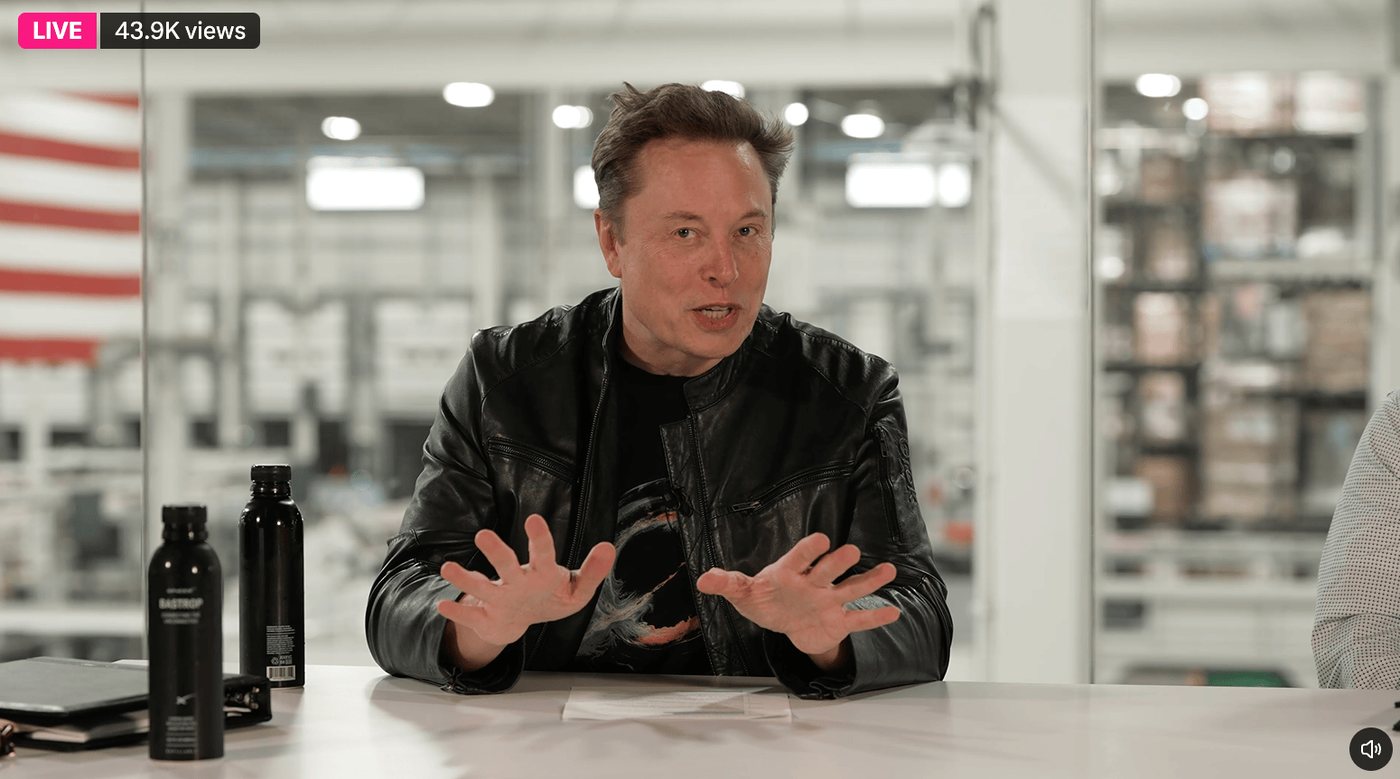
SpaceX has reported its first operating profit since becoming a public company, as rapid growth in its artificial intelligence business eclipsed the satellite connectivity division that has long driven its finances. The company said third-quarter revenue rose 161% year on year to $14.6bn, comfortably ahead of the $12.86bn analysts had expected.
Operating income rebounded to $2.79bn from a loss of $143m in the second quarter, beating consensus estimates of $2.33bn. Net income came in at $4.4m, or 35 cents a share, compared with a net loss of $541m in the previous quarter and $5.5bn a year earlier. The swing into profit marks a significant milestone for Elon Musk's rocket and satellite group, which listed in June under an extensive agreement that locks up his shares until 2027.
The standout performer was the segment now renamed Super Intelligence, which includes computing capacity leased to Anthropic, Google, Grok and X. Revenue in the division reached $7.56bn, up from $2.56bn in the second quarter and ahead of the $6.47bn analysts had forecast. The result means the AI unit has overtaken connectivity, the home of Starlink, as the company's largest source of revenue.
Connectivity revenue rose 69% to $5.25bn, slightly above the $4.92bn expected, while operating income in the division nearly doubled to $2.37bn. Starlink added 1.6 million consumer subscribers during the quarter, short of the 2.29 million analysts had predicted. Overall space revenue climbed 6% to $1.77bn, ahead of the $1.46bn consensus.
Capital spending reached $19.6bn in the quarter, and the company did not issue a full-year forecast, leaving analysts waiting for guidance to shape their projections. Visible Alpha research cited by S&P Global suggests SpaceX's capital investment could nearly triple from about $70bn this year to $197.4bn in the 2028 fiscal year, with connectivity capex alone projected to rise from $4.2bn in 2025 to $22.8bn in 2028. Debt is expected to climb from $50.7bn in 2025 to $350bn in 2029.
The results follow SpaceX's agreement earlier this month to buy investment firm Grain Management's 800 megahertz-band licences, a move aimed at boosting its Starlink Mobile phone service indoors. The deal is subject to approval by the Federal Communications Commission. Financial terms were not disclosed, though the Wall Street Journal reported the price at $8bn.
The quarter also comes after Musk said on X that he planned to offer a share of SpaceX stock to «every kid in America» next year, describing the donation as the first of many. With roughly 72 million children under 18 in the United States, the gift would be worth about $10.5bn at current values.
5