Business 5 min read By Arthur Ellington
South Korea to Develop Five Regional Airport Tourism Hubs
South Korea plans to develop five tourism hubs around regional airports to spread a record visitor boom beyond Seoul, where most foreign tourists currently stay.
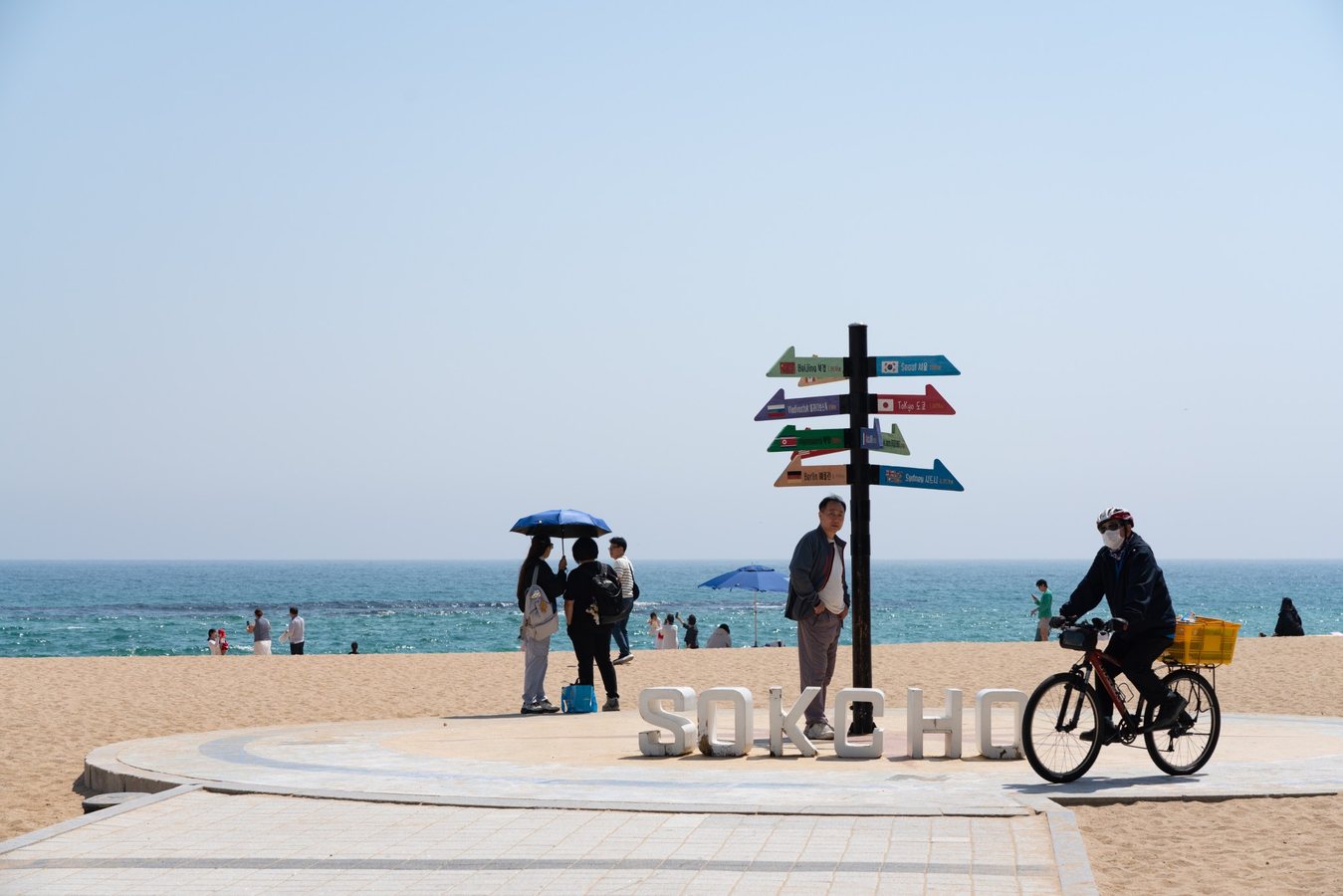
South Korea will develop five new tourism hubs around regional airports as it seeks to spread a record-breaking travel boom beyond the capital, where foreign visitor numbers and spending remain heavily concentrated.
The country attracted 18.9 million foreign visitors in 2025, surpassing the previous high of 17.5 million set in 2019. But the growth has been overwhelmingly centred on Seoul, particularly trendy districts such as Itaewon and Seongsu-dong, leaving regional economies largely untouched by the influx.
«Many foreign visitors come to Korea because of its culture, but only one-third ever travel outside of Seoul and the capital region,» Daehyun Kim, South Korea’s vice minister of culture, sports and tourism, said at the Global Tourism Economy Forum in Macau. «For tourists to visit local areas, they need to be able to travel there directly without passing through Seoul — so we recently announced the plan to develop five major tourism hubs around five regional airports: Gimhae, Daegu, Cheongju, Muan, and Yangyang.»
The strategy aims to link the country’s cultural exports, known as the K-wave, to rural and regional destinations so that the economic benefits of tourism reach local communities rather than being confined to the capital. Officials plan to turn popular drama and film locations, local festivals and regional cuisine into experiences that visitors can only enjoy in those specific areas.
Kim said that over the past 13 years more than 1,400 tourism-related local businesses — including accommodation providers, restaurants and tour operators — have been established across 147 regions. The new airport hubs are intended to give those businesses direct access to international visitors who currently transit through Seoul.
The push reflects a wider trend across Asia, where governments and airlines are betting on secondary cities to capture the next phase of tourism growth. In China, domestic and international travellers are increasingly moving beyond traditional gateways such as Beijing and Shanghai to destinations including Chengdu and Chongqing, the latter having gained social media attention as a «cyberpunk city».
«China is a huge proponent of one journey, multiple stops,» said Pansy Ho, chairperson and executive director of MGM China, at a press conference during the forum. «If people come to China, they can see the Great Wall in Beijing, the terracotta warriors in Xi’an, and then take a spin and go over to Hangzhou.»
Airlines are also repositioning their networks to serve the shift. Tony Fernandes, chief executive of Malaysia-headquartered aviation company Capital A, said his biggest destinations are no longer capital cities such as Delhi or Mumbai but secondary and tertiary cities.
«The GDP of these cities is growing much quicker than the capital cities — there’s a lot of disposable income, and a lot of these populations have not been connected,» Fernandes said during a panel discussion at the forum. He described the cities as presenting untapped opportunities, recalling that the governor of Guangdong province asked him to start a flight to Shantou. On learning that the city had a population of five million — larger than Kuala Lumpur — he readily agreed. «We fly there three times a day now from Kuala Lumpur.»
For South Korea, the challenge will be replicating that kind of connectivity at home. The five airports selected for the programme are spread across the country, from Gimhae in the south-east and Daegu in the centre to Cheongju in the north, Muan in the south-west and Yangyang on the east coast. Each will be positioned as a gateway to its surrounding region, with the government hoping that direct international access will encourage visitors to extend their trips beyond the capital.
The tourism ministry has not disclosed a timetable or budget for the airport hub programme, but the plan signals a strategic shift: rather than simply attracting more visitors, South Korea is now focused on distributing them more evenly across the country and ensuring that the record-breaking arrivals translate into growth for regional businesses.
8