
Business 5 min read By Callum Montgomery
Royal Collection Trust reports drop in income and retail sales
The Royal Collection Trust has reported a decline in income of £4.6 million, driven by falling visitor numbers and reduced retail sales, according to its latest financial report.
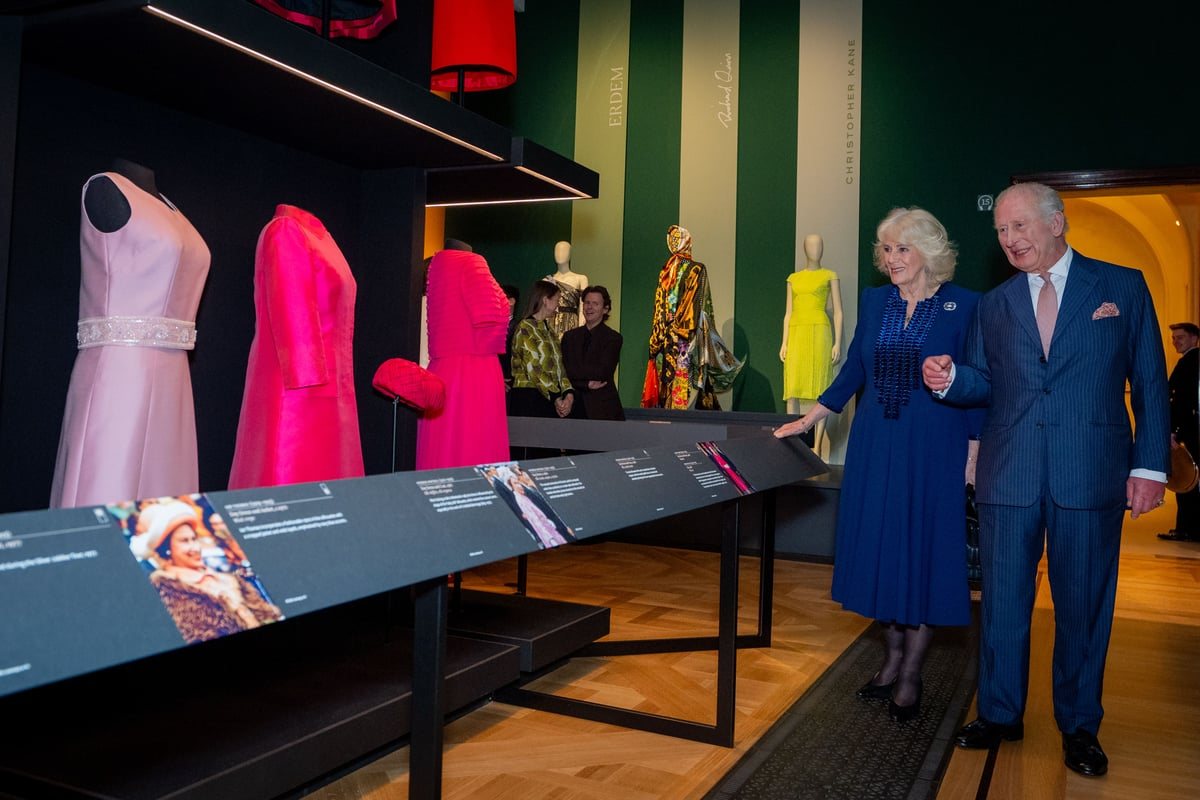
The Royal Collection Trust, the body responsible for preserving the vast art collection amassed by British monarchs and managing public access to the King’s official residences, has recorded a significant drop in income and retail sales, its latest financial report reveals. Income fell by £4.6 million compared to the previous year, driven largely by dwindling visitor numbers to properties such as Buckingham Palace and Windsor Castle.
The trust’s financial statement, which covers the year ending 31 March 2024, shows that total revenue declined as footfall at the royal attractions decreased. Retail sales, which include items sold in gift shops at the palaces and online, also suffered a downturn. The trust did not specify the exact percentage of the retail decline but described it as a notable factor in the overall drop in income.
Visitor numbers have been under pressure across many UK heritage sites in recent years, with the cost of living crisis and changing tourism patterns affecting attendance. The Royal Collection Trust, which relies heavily on ticket sales from the summer opening of Buckingham Palace, as well as year-round visits to Windsor Castle and the Palace of Holyroodhouse, has been particularly exposed. The trust also manages the Royal Mews and the Queen’s Gallery in London.
The Royal Collection itself contains some of the most valuable artworks in the world, including paintings by Rembrandt, Vermeer, and Van Dyck, as well as furniture, ceramics, and decorative arts. The trust is responsible for conservation, research, and exhibition of this collection, and its funding model depends on income generated from visitors and commercial activities. A sustained drop in revenue could affect the trust’s ability to maintain these priceless works and to continue offering public access.
The financial report was released as the trust continues to recover from the hit it took during the COVID-19 pandemic, when royal residences were closed for extended periods. Although visitor numbers have rebounded somewhat, they have not fully returned to pre-pandemic levels. The trust has also faced increased costs for security, maintenance, and staff, further squeezing its finances.
In response to the challenges, the trust has been exploring ways to diversify its income, including expanding its online retail offering and introducing new ticketing options. It has also launched a programme of events and exhibitions designed to attract more visitors. However, the latest figures suggest that these measures have yet to fully offset the decline in footfall.
The trust’s chairman, Sir Tony Jones, acknowledged the difficult trading environment but emphasised the trust’s commitment to its mission. He stated that the organisation remains focused on preserving the Royal Collection for future generations and on making it accessible to as many people as possible, despite the financial headwinds.
The report also noted that the trust had received some government support during the pandemic, but that such assistance has now ended. The trust is now operating with a tighter budget and is reviewing its spending priorities. It has ruled out large-scale redundancies but is seeking efficiencies across its operations.
Analysts have pointed out that the Royal Collection Trust is not the only heritage organisation facing financial pressure. Museums, galleries, and historic properties across the United Kingdom have reported similar struggles, with rising costs and changing visitor behaviour. The situation underscores the broader challenges faced by the UK’s cultural and heritage sector in the current economic climate.
The trust’s full annual report is expected to be published in the coming weeks, providing more detail on its financial position and future outlook. For now, the drop in income and retail sales signals a difficult period ahead for one of the country’s most prestigious cultural institutions.
95