
Business 5 min read By Callum Montgomery
New Jersey Freezes Digital Shelf Labels as Pricing Fears Mount
New Jersey has imposed a one-year moratorium on new electronic shelf labels, citing concerns over surveillance pricing, as Walmart and other retailers defend the technology as a tool for efficiency rather than dynamic price hikes.
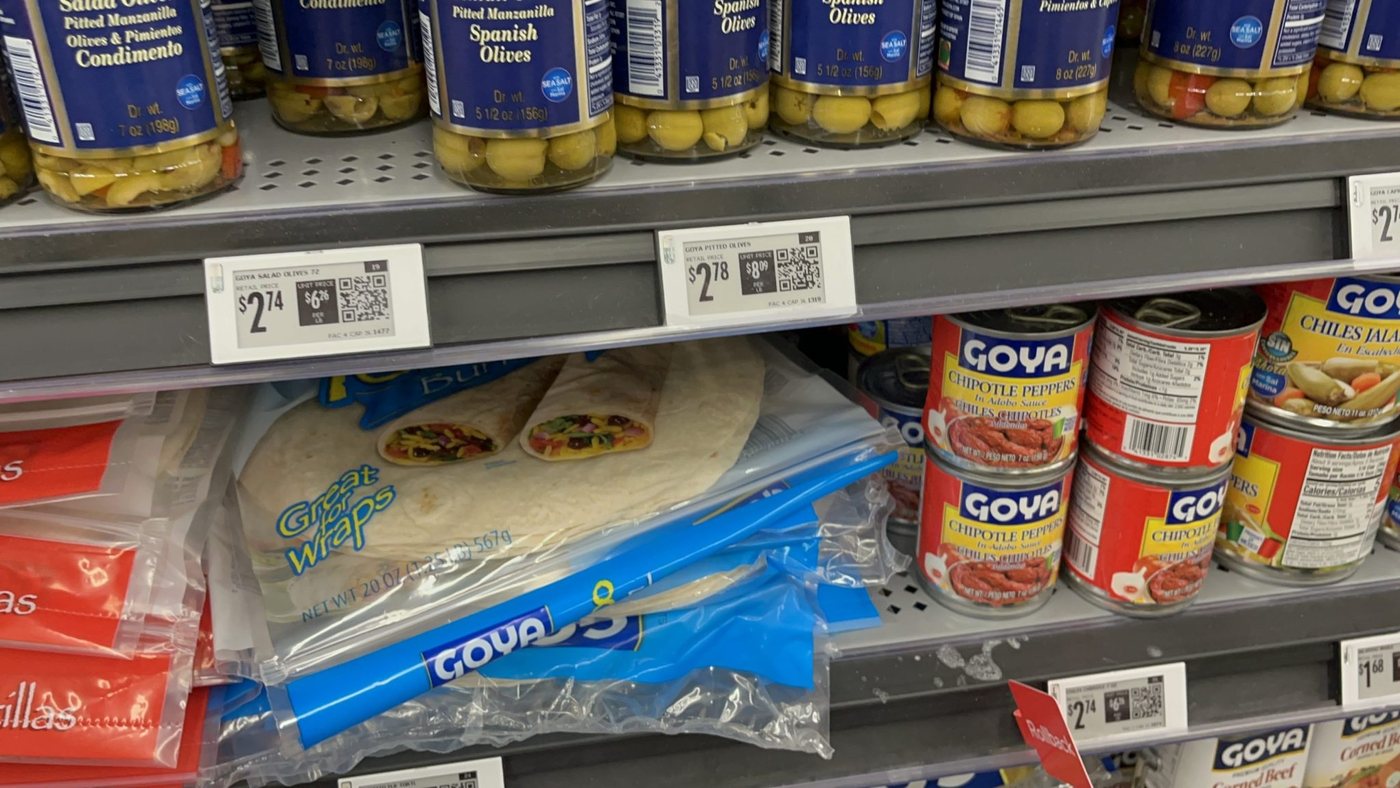
New Jersey has placed a one-year moratorium on the installation of new electronic shelf labels (ESLs) in stores, after Governor Mikie Sherrill signed the Fair Price Protection Act into law in July. The legislation is intended to shield consumers from what it calls «discriminatory surveillance pricing» — the use of personal data to set individual prices — and to allow the state to study the effects of the technology before it becomes more widespread.
The move has thrust a previously low-profile retail tool into a national debate over how prices are set. Maryland passed a similar law earlier this year, and legislation is pending in several other states. At the centre of the dispute is whether digital price tags, which allow retailers to change prices centrally and instantly, are simply a time-saving efficiency measure or a gateway to dynamic pricing, where prices fluctuate according to demand, time of day or even a shopper's profile.
Walmart, which has committed to rolling out ESLs across its entire US footprint of 2,300 locations by the end of the year, is pushing back hard against the characterisation. At a Walmart Supercenter in North Bergen, New Jersey, just across the Hudson River from Manhattan, store manager Kyle Boyd demonstrated that associates cannot raise prices at the store level. A team leader typed a new price of $10 for a bottle of barbecue sauce into a work-issued smartphone — nearly triple the original — but the system rejected the change. «We cannot take prices up in the store,» Boyd said. «We can only take prices down in the store.» About 90% of tags at the supercenter have been replaced with ESLs.
Robyn Babbitt, director of corporate communications at Walmart, said the labels operate on a closed system and do not interact with shoppers or collect any information about them. «There is nothing like a camera or microphone in them; they just display prices,» she said, adding that the legislation is an «overreaction». When a base price increases, rather than a rollback or promotion, it happens at the corporate level and usually outside regular shopping hours, not spontaneously while customers are in the store, she said. «They're centrally controlled through our pricing team.»
Industry groups have echoed that argument. Macy Lemon, vice president of state government affairs at the National Grocers Association, said in a statement urging Governor Sherrill to amend the law before signing that «electronic shelf labels are not tools for surge pricing, but rather tools for efficiency and affordability». The group warned the moratorium could make it harder for stores to offer affordable groceries.
But the United Food and Commercial Workers (UFCW) International Union sees the technology differently. Ademola Oyefeso, the union's international vice president, said it is not a matter of if, but when, companies start using ESLs for dynamic pricing. «A retailer may not be doing it right now, but they are laying the groundwork for it,» he said. The union now wants a full ban on ESLs, which it describes as a «tool for price-gouging and job loss». Oyefeso pointed to Norway, where several grocery chains engaged in rapid daily repricing after installing digital tags.
The legislative pushback comes as the technology appeared ready for widespread adoption. Kroger has added ESLs to a number of stores across the country, and Whole Foods is testing digital tags at nearly 50 stores. A recent report from the Groundwork Collaborative, Consumer Reports and More Perfect Union also claimed that Instacart's AI pricing tool offers individualised prices on the same items, further fuelling concerns about personalised pricing.
Retail analysts say the technology could theoretically make dynamic pricing easier, but that this is not inevitable. Asa Farquhar, strategic principal of price and promotion at retail planning platform RELEX, said he has not seen the technology used for dynamic pricing among his retail clients. Instead, they use it to reduce errors and optimise price adjustments that were happening anyway. «I have never seen them talking about how we can use these tools to get a leg up on customers,» he said. Still, he acknowledged that if a price can be changed faster, more easily and at lower cost, retailers may be willing to change prices more often — though he called it a stretch to assume that alone guarantees harmful practices.
For now, the one-year freeze in New Jersey gives regulators time to assess the evidence, while retailers and unions prepare for a wider fight over how digital labels are used and what safeguards shoppers should expect.