Business 4 min read By Alice Ashford
Mining Firms Turn to Microbes as Copper Demand Outpaces Supply
Copper is essential to power grids, renewable energy and electric vehicles, but extracting more of the metal profitably has become increasingly difficult. Some mining companies are now betting on biomining, using microbes to recover copper from ore, to help close the gap between supply and an electrifying world's rising demand.
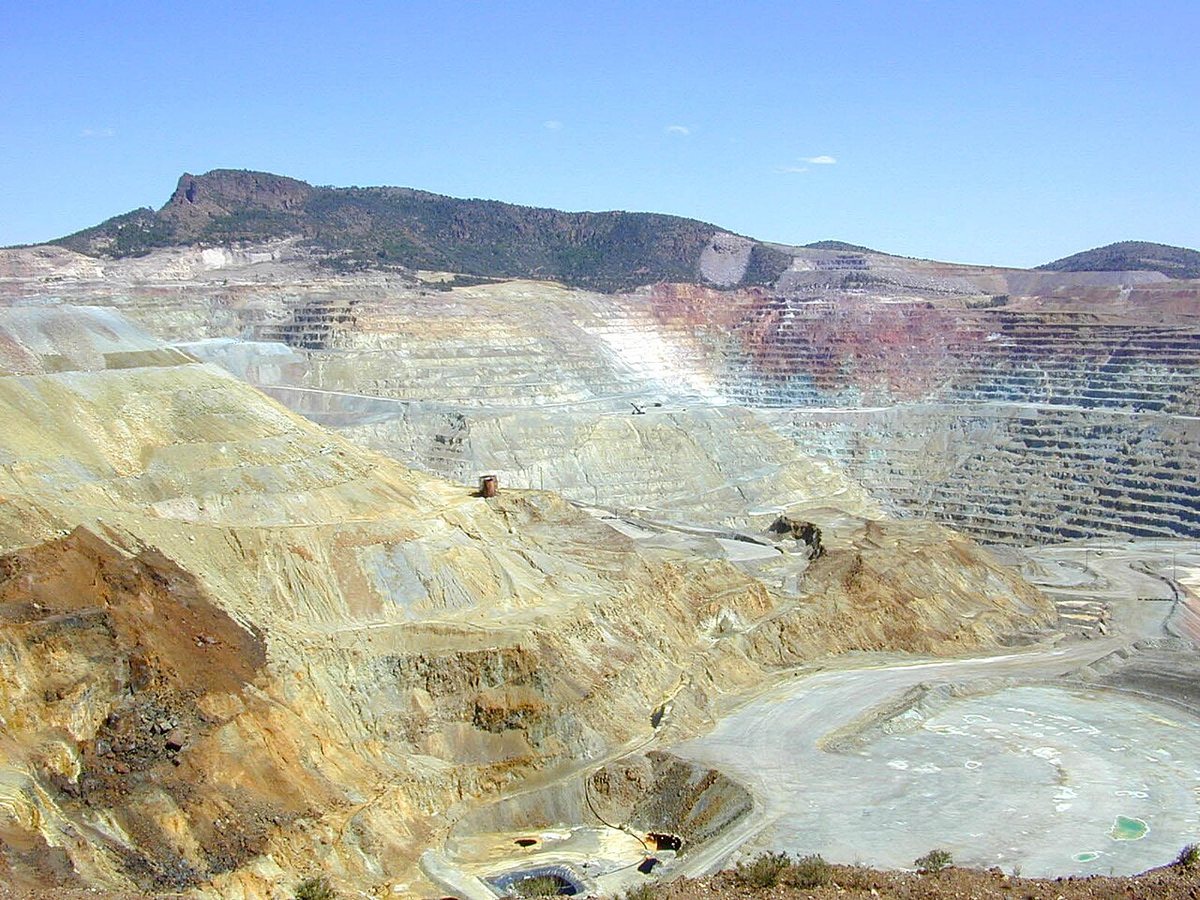
Mining companies are increasingly turning to micro-organisms to extract copper as the global supply of the metal struggles to keep pace with rising electricity demand. Copper is a critical component of power grids, renewable energy equipment and electric vehicles, but over the past few decades firms have found it harder to pull more of the metal from the ground while still turning a profit.
The technique they are exploring, known as biomining, uses microbes to extract metals from ore. The approach is being examined in the US states of Colorado and Arizona, according to a Bloomberg Primer examining whether biology can help solve what is fast becoming a supply crunch for one of the world's most important industrial metals.
The pressure is structural. An electrifying global economy needs vastly more copper for grid upgrades, wind and solar installations and battery-powered transport. Yet the mining industry's traditional methods are yielding diminishing returns: ore grades are falling, new deposits are harder to find and develop, and the capital intensity of large mining projects keeps rising. That combination has squeezed profitability and left companies searching for lower-cost ways to recover metal from deposits they already hold.
Biomining offers one potential answer. Certain microbes naturally interact with minerals in ways that help release metals from rock, a process that can be harnessed industrially. The Bloomberg examination traces the technique from the laboratory to the field, looking at how micro-organisms are selected and deployed, and at the practical challenges of scaling biological processes to commercial volumes.
A central focus is heap leaching, a method in which ore is stacked and treated with solutions that dissolve the target metal. Microbes can be used within these systems to accelerate the breakdown of minerals and improve recovery rates. For miners, the appeal lies in the possibility of extracting copper from lower-grade or previously uneconomic material, extending the life of existing operations without the enormous expense of building new mines.
The question the industry now faces is whether biomining can be scaled quickly enough, and reliably enough, to make a meaningful contribution to global supply. Laboratory results do not automatically translate into industrial performance, and the economics of any mining technique depend on metal prices, ore characteristics and operating costs. The primer's conclusion weighs those uncertainties against the scale of the demand challenge.
Copper's role in the energy transition gives the debate wider significance. Power networks, electric vehicles and renewable generation all depend on the metal, and shortages or price spikes would ripple through the cost of building the infrastructure that governments and utilities are committing to. For investors and policymakers alike, the search for new sources of supply — including biological ones — is becoming a strategic concern rather than a niche experiment.
The turn to microbes also reflects a broader shift in the resources sector, where companies are looking to technology to improve productivity from existing assets as easy-to-mine deposits become scarcer. Whether biomining becomes a mainstream part of copper production or remains a supplementary technique will depend on how the laboratory work in Colorado and Arizona translates into results in the field.
5