Business 3 min read By Callum Montgomery
India Boosts Far East Russian Oil Imports as War Upends Trade Routes
India has increased its purchases of Russian crude from the Far East, reflecting how the war in Ukraine has redrawn global energy supply chains and pushed Moscow to redirect exports toward Asian buyers.
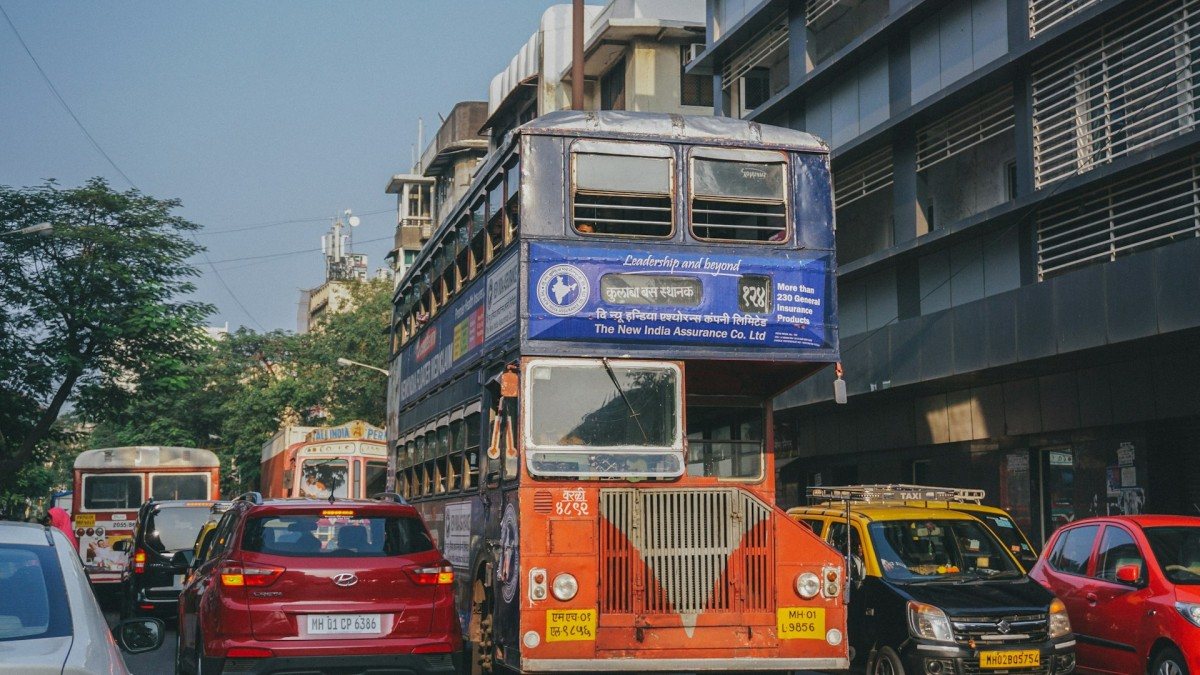
India has stepped up imports of Russian crude from the Far East, a shift that underscores how the war in Ukraine has redrawn global energy trade routes and pushed Moscow to lean more heavily on Asian buyers. The move comes as Western sanctions and buyer boycotts have forced Russia to reorient its oil exports away from Europe, with India emerging as one of the largest purchasers of discounted Russian barrels.
The increased flows from Russia's Far East terminals signal a logistical adjustment for Indian refiners, who have traditionally sourced most of their crude from the Middle East. Far East supply offers a competitive price advantage, particularly for grades such as ESPO and Sokol, which have become more available as Russian producers seek alternative markets. Industry observers note that the trend reflects a broader realignment in which Moscow has deepened commercial ties with New Delhi despite pressure from Washington and its allies to isolate the Russian energy sector.
For India, the purchases serve a dual purpose: securing affordable feedstock for its expanding refining capacity while managing inflationary pressures at home. The country has defended its energy trade with Russia on pragmatic grounds, arguing that securing the best price for its citizens is a legitimate national interest. That stance has put New Delhi in a delicate position, balancing its longstanding strategic relationship with Moscow against its growing security and economic partnership with the United States and Europe.
The shift has also had ripple effects across the shipping and insurance industries. Traders and logistics firms have had to adapt to new payment mechanisms, vessel routing, and compliance requirements as Russian crude moves through non-Western channels. Some Indian refiners have reportedly faced delays and complications in securing tankers and insurance coverage, though the overall volume of trade has continued to climb.
Analysts point out that the changing trade patterns are likely to persist beyond the immediate conflict. Russia's pivot to Asia is not a temporary stopgap but a structural transformation of its export strategy, driven by the permanent loss of its traditional European customer base. For India, this opens the door to a longer-term supply relationship that could reshape its import mix and influence its foreign policy calculations in the years ahead.
The development also carries implications for global oil markets. The rerouting of Russian barrels to Asia has altered price benchmarks and freight rates, while adding a layer of complexity to efforts by Western nations to cap the price of Russian crude. As India continues to absorb Far East supply, the dynamics of the international energy trade are likely to remain in flux, with consequences for producers, consumers, and policymakers alike.
54