Business 4 min read By Callum Montgomery
Hogwarts Legacy Sequel Anchors Warner Bros.’ Narrower Games Portfolio
WBD has named the second Hogwarts Legacy inside a games pipeline designed to improve Studios profit. Its 40-million-copy predecessor gives the strategy a proven asset.
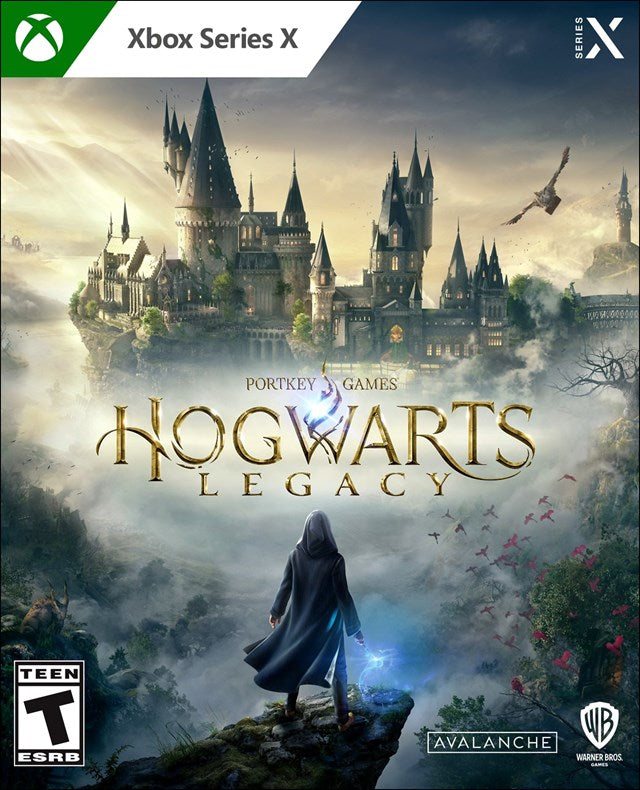
Warner Bros. Discovery has attached one of its strongest entertainment franchises to a more concentrated capital-allocation strategy. In its second-quarter 2026 shareholder letter, WBD explicitly names a second installment of Hogwarts Legacy in the games pipeline it expects to make a more meaningful contribution to Studios profitability.
The emphasis on profitability is central. Management says Games remains an important growth lever and describes a refocused approach built around fewer, higher-conviction titles. That means the company is trying to reduce portfolio sprawl while putting more strategic weight behind properties with proven global demand.
Hogwarts Legacy is an unusually clean fit. Warner Bros. Games announced in December 2025 that the original had exceeded 40 million units sold worldwide and called it the biggest video game release in the company’s history. In risk terms, a sequel starts with a known audience, a powerful licensed world and strong evidence that players will pay for a large premium experience.
The first game was developed by Avalanche Software and published under the Portkey Games label. Its decision to use the nineteenth century was commercially useful as well as creative. Warner Bros. could build a new cast and narrative while retaining the visual and cultural assets that make Hogwarts instantly recognizable.
The product also benefited from a long platform rollout. After launching on current-generation consoles and PC in February 2023, it moved to older consoles, Nintendo Switch and eventually Switch 2. That gave the company several waves of addressable hardware rather than a single release window.
The second installment remains a line item rather than a fully disclosed product. WBD provides no budget, launch window, platform strategy, pricing, development timetable or gameplay model in the shareholder letter. Those unknowns matter because a large franchise sequel can carry a very different cost structure depending on scope and production length.
The broader restructuring shows why the project matters. Warner Bros. Games closed Monolith Productions, Player First Games and its San Diego studio in 2025 and canceled Wonder Woman. At the time, the company said it would organize development and investment around Harry Potter, Mortal Kombat, DC and Game of Thrones.
There is also a cross-media element. In 2024, then-games chief David Haddad told Variety that the sequel team was coordinating some high-level storytelling with the Harry Potter series for HBO. The objective is not necessarily direct crossover; it is franchise governance that keeps games, television and other consumer products pulling in compatible directions.
For WBD, that creates multiple monetization paths around one intellectual property. A successful game can renew demand for experiences and merchandise, while a major television cycle can refresh awareness before the next game’s marketing campaign. The same brand becomes a network of revenue rather than a single release.
The trade-off is concentration risk. Fewer large bets can improve focus, but delays or quality problems become more consequential. The first Hogwarts Legacy has already demonstrated the size of the opportunity. The sequel will show whether Warner Bros. can turn that success into repeatable economics while maintaining the creative quality that made the original unusually durable.
70