Business 6 min read By Arthur Ellington
Drivers push back as carmakers charge monthly fees for features already built in
Automakers are increasingly selling subscriptions for remote start, heated seats and extra horsepower, even as the average monthly payment on a financed new car has reached a record $787.
Carmakers are increasingly asking drivers to pay monthly for features built into vehicles they have already bought, and some motorists say they are running out of options. Asher Davis, a 33-year-old who returned to the new-car market after nine years, said he was surprised to find that the number of new cars without subscriptions attached had fallen sharply. «I feel like eventually I won’t have a choice,» he told Fortune.
Davis’s frustration is directed less at any single subscription than at the direction of the market. Offers range from remote start to horsepower upgrades. Automakers appear to be betting that drivers will grow accustomed to paying monthly for hardware already installed in their cars. Early evidence suggests consumers will accept some of these charges, but resist paying for features they believe they have already purchased, and their willingness to pay appears to be slipping.
Ivan Drury, director of insights at Edmunds, said the firm does not formally track how widely subscription-based car features have spread, but he has seen the trend firsthand. He owns a Subaru whose location tracking and remote start depend on a subscription fee. His previous vehicle, a 2024 Ford F-150, included both features at no extra cost. «It’s becoming more frequent and more annoying,» he said.
Drury said the appeal for manufacturers is partly technical. Modern vehicles are connected to the internet, which means features can be switched on and off remotely. «It’s the fact that there is control over some things that are actually hardwired into the vehicle, but at the same time, flip of a switch,» he said. Dealerships, he added, dislike the arrangement, since salespeople must explain that some features sit behind a paywall. «But they’re just the middleman,» Drury said. «At the end of the day, who’s bearing the cost? The customer.»
The limits of consumer tolerance have been tested before. BMW briefly offered a subscription for heated seats in markets including the UK, Germany and South Korea, charging a monthly fee to use seat heaters already installed in cars. The fee was never offered in the United States, and the reaction was strong enough that BMW dropped the heated-seat subscription in September 2023. Drury said the episode left a bad impression: «It’s like you bought this vehicle; it’s good to go. You should just be able to hit the button.»
The episode points to a line many drivers appear to draw. Charging for something long considered part of a car, in a vehicle already sold at a premium, is viewed differently from charging for a genuinely new capability. Peter Anderson, 36, a luxury car enthusiast who has been driving high-end vehicles since his teens, said he would not pay to unlock heated seats already fitted. «I don’t want to pay for something that’s already built into the car and I’ve paid for the car to be equipped with those seats,» he told Fortune.
Anderson was more open to subscriptions in principle. «I’m into [subscriptions] to an extent,» he said. «If there’s an update to the software that’s capable of giving me better performance or a new feature, I’d pay to enable it.» He cited improvements to power, handling and driving dynamics, including a new driving mode added through a software update.
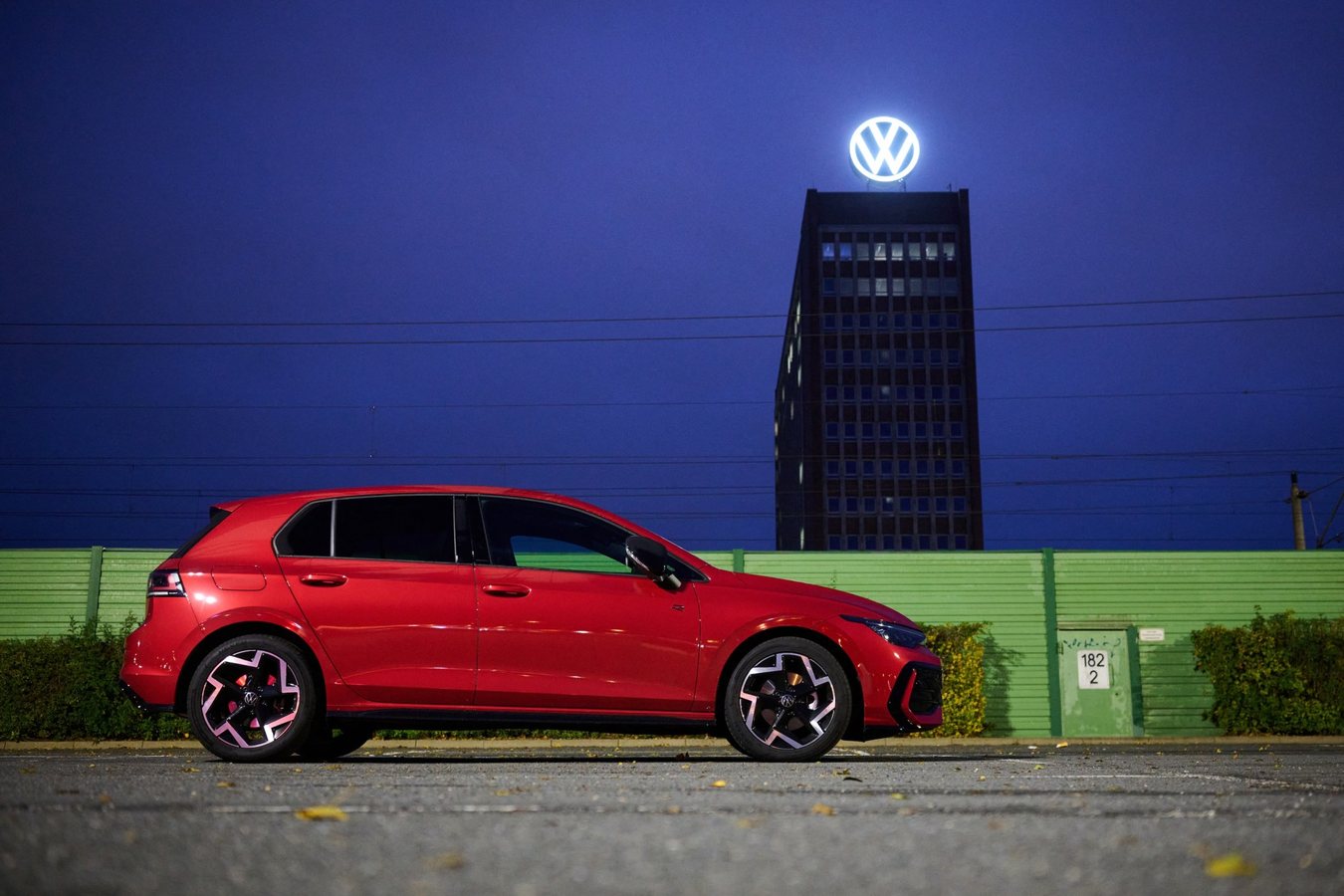
Volkswagen, ranked No. 1 on the 2026 Fortune 500 Europe list, is testing that appetite. In 2025 it introduced its «Power on Demand» subscription for the ID.3 electric hatchback in the UK. Owners of the Pro and Pro S versions can pay £16.50 (roughly $22) a month to raise output from 201 to 228 horsepower. The additional 27 horsepower is already built into the car’s hardware. Some customers online objected strongly, while Volkswagen told Fortune that customer feedback «has been positive.»
The subscription push comes as vehicle costs reach new highs. According to Edmunds data, the average monthly payment on a financed new car hit $787 in the third quarter of 2026, up from $756 a year earlier. The average interest rate on those loans has held near 7%. Against payments of that size, a subscription of $20 or $30 a month can seem minor, which is part of why it is easy to underestimate.
Sue Helper, an economics professor at Case Western Reserve University’s Weatherhead School of Management and a former chief economist at the US Commerce Department, said buyers should focus on the total cost of ownership rather than the monthly payment. «A subscription that costs a few dollars a month may seem insignificant, but multiple fees can add up over several years,» she said. Subscriptions are not inherently exploitative, she added, and can make sense for services that require ongoing investment, such as connectivity or software updates. The difficulty, she said, is that consumers have limited time and attention and may not fully account for recurring charges when buying a vehicle.
Source: fortune.com
6