Business 4 min read By Bethany Hadley
Chevron CEO Warns Oil Prices and Economy Face Pressure
Chevron's chief executive has issued a stark assessment of oil markets and the global economy, signalling that the energy giant expects sustained volatility and tighter conditions ahead.
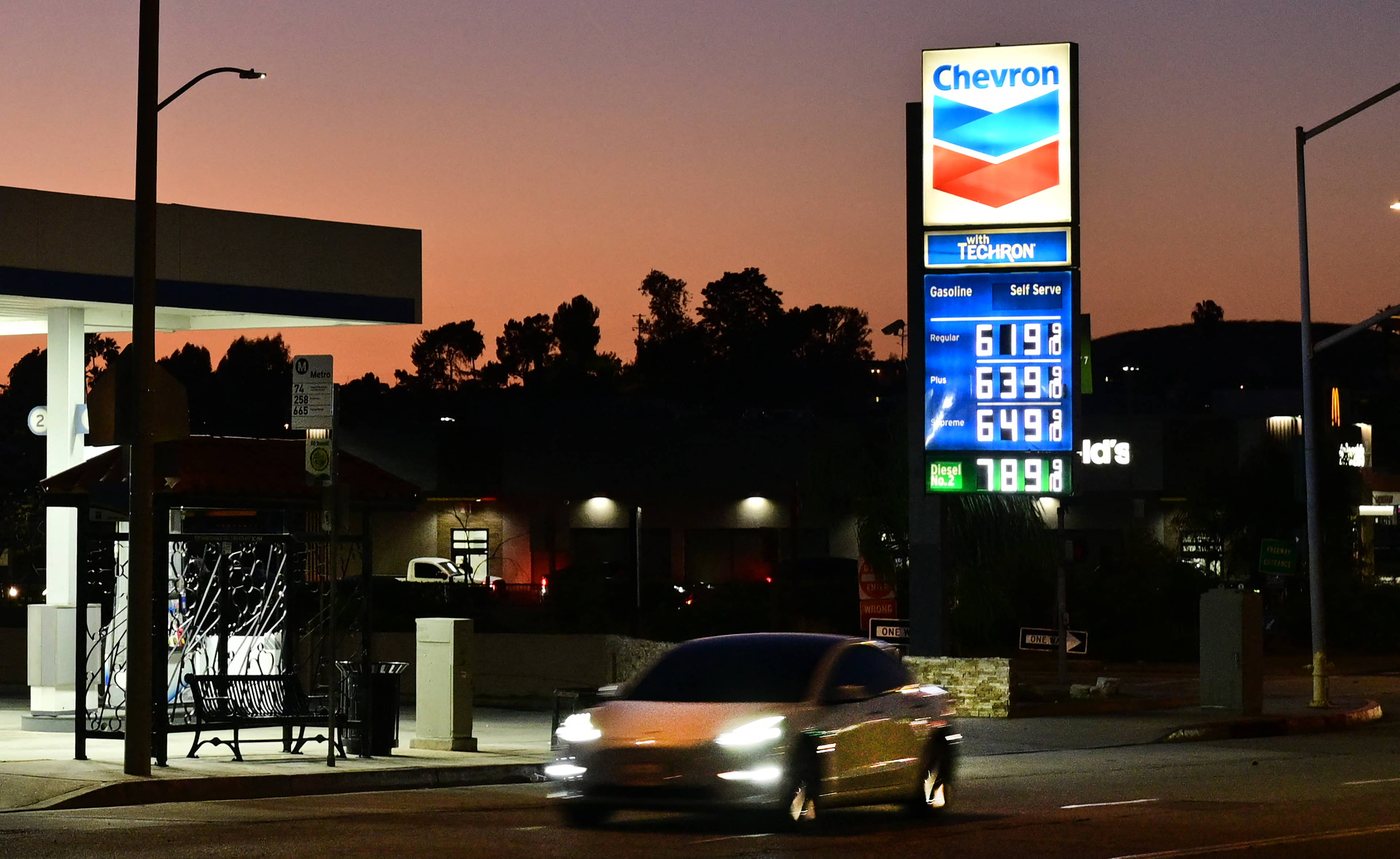
Chevron's chief executive has delivered a blunt warning on the state of oil markets and the wider economy, telling investors and analysts that the company is bracing for a period of sustained uncertainty. The message, which carries weight far beyond the energy sector, underscores how closely the fortunes of major oil producers are tied to global growth, inflation and geopolitical risk.
The intervention from one of the world's largest listed energy companies comes at a delicate moment for crude prices. Oil has been pulled in competing directions by supply discipline among major producers, uneven demand signals from China and Europe, and the persistent threat of disruption in key exporting regions. Chevron's leadership has made clear that it does not expect a swift return to the stable, high-margin conditions that flattered the industry in recent years.
For the British economy, the implications are direct. Oil and gas prices feed through to household energy bills, transport costs and the input expenses of manufacturers, all of which shape the inflation outlook and, by extension, the path of interest rates. A sustained period of elevated crude prices would complicate the Bank of England's efforts to bring inflation back to target without tipping the economy into recession.
Chevron's caution also reflects a broader reassessment among major energy firms. After a period of record profits driven by the post-pandemic recovery and the energy shock that followed Russia's invasion of Ukraine, boards are now weighing heavier capital discipline against the need to invest in future supply. The company has been clear that it will prioritise shareholder returns and balance sheet strength over aggressive expansion, a stance that may constrain global supply growth in the medium term.
The CEO's remarks are likely to be read closely in Westminster and in boardrooms across the City. Energy policy has become a politically charged subject in Britain, with debates over windfall taxes, North Sea licensing and the pace of the transition to renewables all intersecting with the question of how much the country should rely on domestic production. A more cautious outlook from a major operator adds weight to arguments that investment conditions need to be stable and predictable.
Analysts note that Chevron's position is not isolated. Other integrated majors have struck a similarly guarded tone, pointing to cost inflation, labour shortages and the long lead times required for large projects. The result is an industry that is generating substantial cash but remains reluctant to commit to the kind of spending that would meaningfully alter the supply-demand balance.
For consumers and businesses, the practical consequence is that energy costs are unlikely to fall sharply in the near term. That keeps pressure on margins in sectors from retail to manufacturing and reinforces the case for efficiency measures that reduce exposure to volatile fuel prices. It also strengthens the argument for accelerating domestic renewable capacity, which offers a hedge against imported price shocks.
Chevron's message is ultimately a reminder that the oil market remains a powerful transmission mechanism for global economic stress. When a company of its scale signals caution, it is not merely commenting on its own prospects. It is describing a world in which growth is fragile, geopolitics is unpredictable and the cost of energy remains a first-order concern for governments, investors and households alike.