Business 5 min read By Bethany Hadley
Boeing shares rise after FAA clears 737 MAX software glitch
Boeing shares gained after US regulators found no safety issue with a software glitch on the 737 MAX, easing investor concerns over the planemaker's most important aircraft.
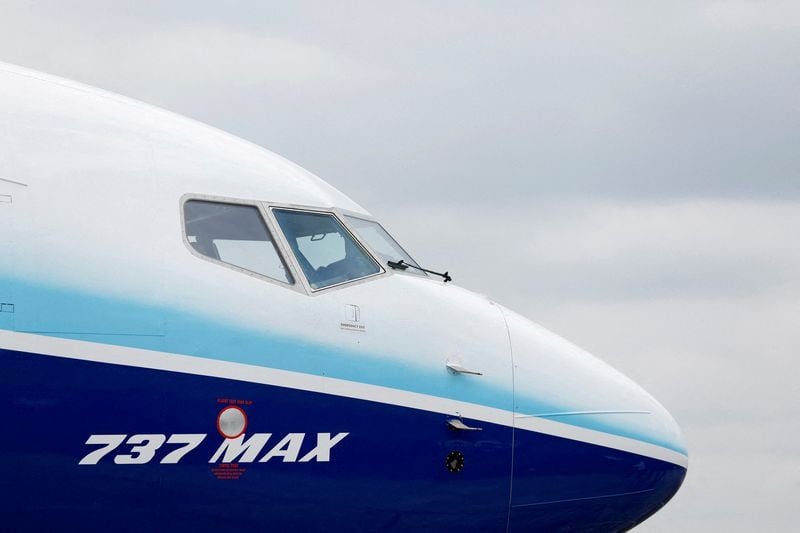
Boeing shares rose after US aviation regulators determined that a software glitch affecting the 737 MAX did not pose a safety risk, removing a potential new obstacle for the planemaker's most commercially important aircraft.
The Federal Aviation Administration concluded that the issue did not warrant immediate safety action, according to reports. The finding reassured investors who have grown sensitive to any technical or regulatory problem involving the 737 MAX, a jet that accounts for a substantial share of Boeing's commercial aircraft deliveries and future order book.
The glitch had raised questions about whether it could disrupt flight operations or trigger new certification requirements. The FAA's assessment that no safety issue exists means Boeing can continue to produce and deliver the aircraft without additional regulatory restrictions tied to the software problem.
Boeing has been working to stabilise its commercial aviation business after several years of disruption. The 737 MAX programme remains central to that effort, generating cash flow and supporting the company's wider manufacturing supply chain. Any new regulatory concern over the aircraft tends to weigh heavily on Boeing's share price because of the model's importance to airlines worldwide.
The company's shares have been volatile as investors assess production rates, delivery schedules and the pace of regulatory approvals. News that the FAA found no safety issue removes one source of uncertainty, at least in the short term, and shifts attention back to Boeing's operational performance and its ability to meet airline demand.
The FAA's role in overseeing the 737 MAX has been under close scrutiny since the aircraft's earlier grounding. Regulators have since tightened their approach to certifying aircraft systems and software, making any reported glitch a sensitive matter for both Boeing and its customers.
Airlines operating the 737 MAX rely on the jet for short and medium-haul routes, and any interruption to its availability can affect schedules and capacity planning. Carriers have been rebuilding networks and adding flights as travel demand holds up, making the reliability of new aircraft deliveries particularly important.
For Boeing, the latest regulatory assessment is a modest but meaningful reprieve. It does not resolve the broader challenges facing the company, including production quality, supply chain pressures and the need to restore confidence among regulators, airlines and investors. But it avoids a fresh setback for the MAX at a time when the planemaker can ill afford one.
Investors will now watch for further details on the software issue and whether Boeing plans any design or maintenance changes as a precaution. The company has not indicated that the glitch requires urgent action, and the FAA's conclusion suggests the matter is unlikely to escalate into a grounding or mandatory fleet-wide fix.
The share movement reflects how closely Boeing's valuation is tied to regulatory news. Even a minor technical problem can move the stock because the 737 MAX represents a large portion of the company's near-term earnings potential. A clean bill of health from the FAA therefore carries outsized significance for market sentiment.
Boeing's customers and suppliers will also take note. Airlines have placed large orders for the MAX and depend on Boeing meeting delivery commitments. Any regulatory delay can ripple through fleet plans, route expansion and the availability of aircraft in a competitive market.
For now, the FAA's finding allows Boeing to keep its focus on increasing production and improving quality control. The company continues to face pressure to demonstrate that its manufacturing and engineering processes meet the standards expected by regulators and the flying public.
The episode underscores the heightened scrutiny applied to aircraft software and automated systems. Even when no safety issue is found, the review process can affect schedules and investor confidence. Boeing's ability to manage such issues without disrupting deliveries will remain a key test for management.
Shares in the planemaker gained following the news, with investors interpreting the FAA's assessment as a sign that the software glitch will not become a broader regulatory problem. The company has yet to comment in detail on any follow-up measures, and the FAA has not indicated that further action is required.
7