Business 5 min read By Arthur Ellington
Bartlett's Diary of a CEO on track for $60m revenue as he rejects ad-heavy offers
Steven Bartlett says his podcast business is forecast to generate about $60 million this year, with revenue coming from brand partnerships, products, subscriptions and events rather than advertising alone.
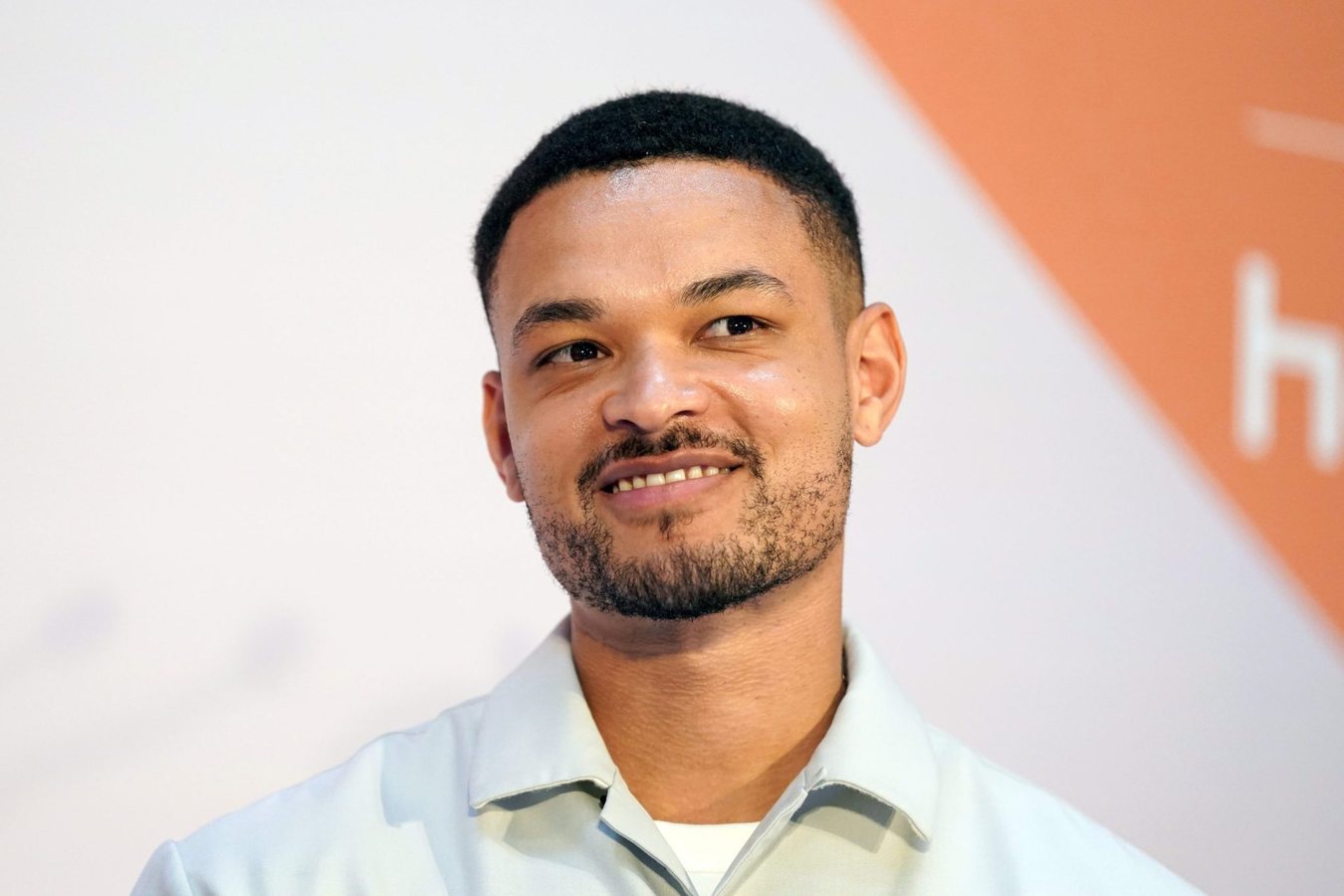
Steven Bartlett's podcast The Diary of a CEO is on course to generate around $60 million in revenue this year, according to the entrepreneur, who has built the show from a solo recording project into a diversified media business. The programme, launched in 2017, is also closing in on Joe Rogan's position as the most-subscribed podcast on YouTube.
Bartlett said the forecast revenue comes from a mix of brand partnerships, products his business owns and manufactures, subscriptions, memberships and live events. He also runs an investment fund. The podcast sits within, his holding company, which houses his other creator businesses and works with other creators to help them build media brands and develop products and ventures.
He forecasts about $90 million in revenue for the wider media company this year, including the $60 million from The Diary of a CEO, and has put next year's holding-company forecast at about $160 million. The figures place Bartlett among creators whose businesses are attracting nine-figure valuations. In August, Alex Cooper's holding company Unwell raised investment at a $500 million valuation.
Bartlett said growth has meant turning down money. He described rejecting a deal that would have required 12 advertisements in the podcast and taking the show off YouTube, giving him little say over the ads. He said that would have been four times the number of advertisements he currently carries. He argued that working with companies seeking exclusive podcast distribution deals can mean sacrificing revenue or control over the relationship with an audience.
Instead, he said he prefers fewer partnerships, and only with businesses that matter to him personally. About 70 per cent of his podcast partners are companies whose founders he approached himself. He sees the relationship with his audience as worth protecting even when a lucrative offer is on the table.
The show began with Bartlett reading from his own diary at 2am, using a laptop and a sock pulled over a $100 microphone. He later began interviewing guests about their own diaries, exploring their motivations, insecurities and ambitions. The scope broadened to subjects including neuroscience, psychology, performance and sport.
Bartlett, who dropped out of college to pursue entrepreneurship, has also addressed scrutiny of health claims made on the show. A 2024 BBC investigation examined such claims. He said his team contracted a full-time medical PhD to review health episodes, adding context on screen and removing material that could not be adequately contextualised. An independent review team now fact-checks every episode before publication, not just those focused on health.
He said decisions on whether to remove an unsupported scientific statement from the audio depend on its framing, with a definitive claim treated differently from a guest discussing a hypothesis based on early research. Bartlett does not consider himself a journalist and describes his interviews as an exercise in pursuing his own curiosity, whether the guest is Kamala Harris or JD Vance.
He sees the evolution of creator businesses as part of a wider shift in how creators work with brands. Early in his career, he said, companies treated influencers like billboards: pay them and they would post something. That gave way to creative-director titles, equity arrangements and opportunities to co-found businesses. He believes the next stage involves creator businesses making acquisitions and operating more like large holding companies.
His advice to other creators is to think beyond the next deal, while acknowledging that his own success gives him more freedom to choose. «If you want to build a durable business in this creator economy, you have to prioritise sovereignty,» he said. «You're renting your audience at the moment.»
4