Business 4 min read By Alice Ashford
AI productivity gains prompt bosses to rethink what workers get back
Executives at PepsiCo, Indeed, Dropbox and Bristol Myers Squibb are questioning how AI-driven efficiency should be measured and shared with employees, as data shows frequent AI users report higher burnout.
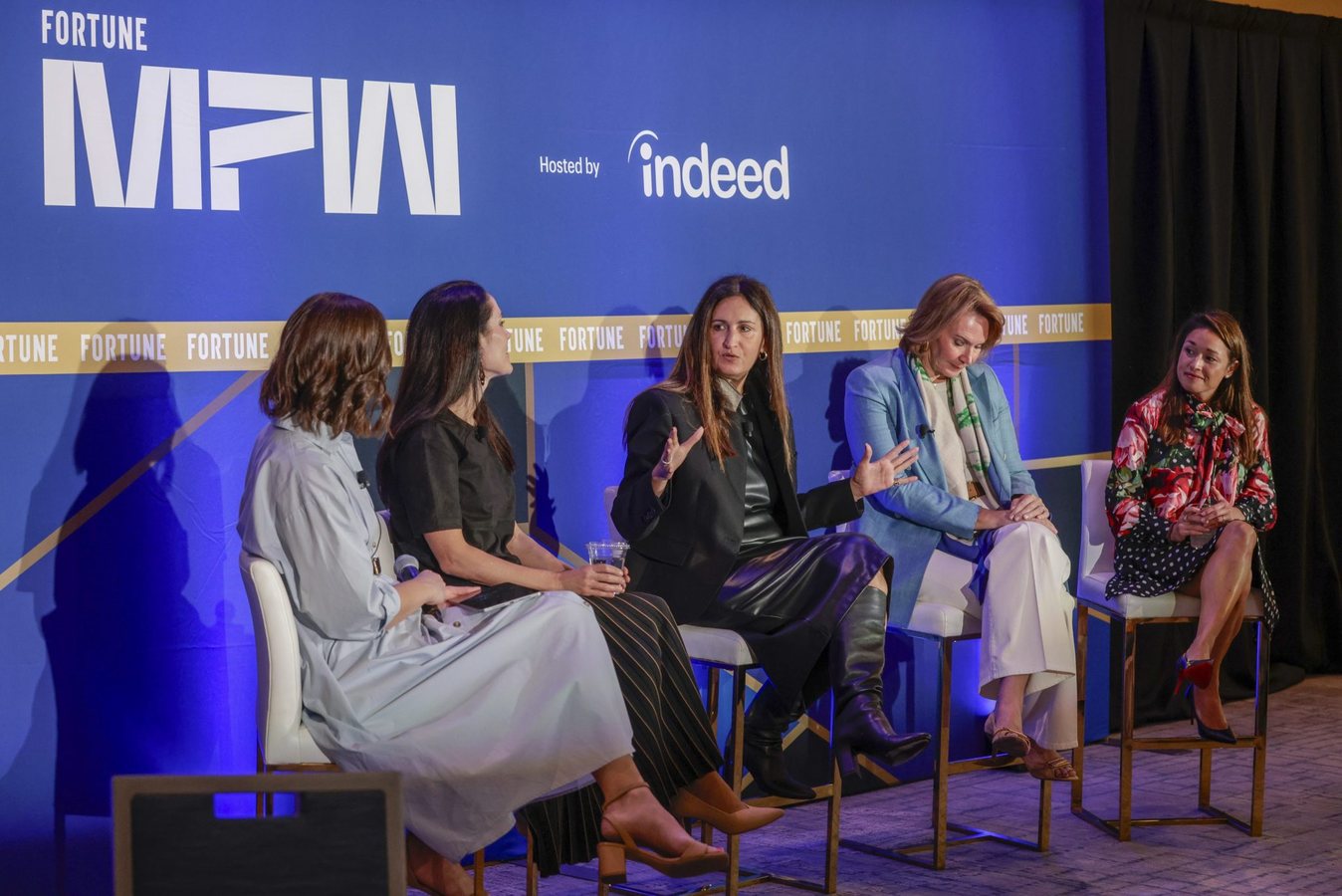
Business leaders are beginning to challenge the assumption that artificial intelligence should be judged solely on the financial returns it delivers, as companies confront the question of how productivity gains should be shared with the workers who generate them. At a panel discussion featuring executives from PepsiCo, Indeed, Dropbox and Bristol Myers Squibb, the focus shifted from cost savings to employee wellbeing, creativity and the long-term cognitive effects of outsourcing thinking to machines.
Athina Kanioura, global chief strategy and transformation officer and CEO of PepsiCo Latin America, argued that demanding a business case for every AI application risks overlooking benefits that are harder to quantify. She described the relentless pursuit of return on investment as «death by a thousand cuts», warning that a narrow focus on immediate financial proof could stifle innovation and obscure the technology's broader value to the business and its workforce.
The stakes are rising. US employees who frequently use AI report higher burnout rates than those who do not, according to 2026 data from Quantum Workplace. That finding complicates the narrative that AI simply frees up time and reduces workload, and it has prompted some executives to look beyond raw efficiency metrics when assessing the technology's impact on the workplace.
At Indeed, the productivity gains are already measurable. Chief revenue officer Maggie Hulce said AI is helping software engineers write 50 per cent more code and saving employees six hours a week. Rather than simply banking those hours as cost savings, the company is looking to redirect the newfound time toward creative thinking and innovation, giving employees more opportunities to do work they enjoy. «We're moving faster, we can innovate faster, we can invent faster, we can do fun work more and more,» Hulce said.
Other leaders are exploring how to keep employees mentally sharp as AI takes on more cognitive tasks. Dropbox chief people officer Melanie Rosenwasser said the $8 billion cloud company is examining the risk of «cognitive atrophy» as workers increasingly outsource their thinking to AI. Dropbox has introduced memory exercises, attention-span training and puzzles, and has experimented with device-free «analog» off-sites and brought in a breathwork specialist for its executive team. «When you outsource your thinking to AI, you become less intelligent in the process,» Rosenwasser said, referencing research from MIT professor Eric So. «So we need to be very deliberate about how we're using these tools.»
At Bristol Myers Squibb, EVP and chief people officer Amanda Poole is weighing how much of the productivity gained from automating «joyless» work should go back to employees to support their wellbeing. The pharmaceutical company has begun exploring a «well-being quotient» to decide how to split those gains between the business and its workforce. «Let's say we're going to get 20% productivity with AI: What part are we going to take back as a company, and what part are we going to give back?» Poole said, adding that the company has not yet solved the question.
The discussion reflects a broader shift in corporate thinking as AI moves from experimental pilots into everyday workflows. While the technology continues to deliver headline productivity improvements, executives are increasingly aware that how those gains are distributed — and whether workers are supported rather than simply expected to absorb more output — will shape the long-term success of AI adoption in the workplace.
9